




Bike Components Explained:
A Parent’s Guide to Balance Bike Parts
Lily | 21st, July
When parents choose a balance bike for their child, the first things they usually notice are the color, size, or overall design. But behind every good riding experience are the small details that make the bike comfortable, safe, and easy for young children to control.
Understanding different bike components can help parents make a smarter choice. The frame, handlebars, seat, tires, and accessories all influence how a child learns balance, builds confidence, and enjoys riding.
A balance bike is often a child’s first step into cycling. Since toddlers are still developing coordination and motor skills, choosing components that match their age, size, and riding environment can make the learning process much smoother.
Before purchasing, it helps to understand what each part does and why it matters.
Why Parents Should Understand Bike Components

A balance bike may look simple because it does not have pedals, but each component serves an important purpose.
A strong frame provides stability.
Comfortable handlebars and seats help children maintain control.
The right tires make riding easier on different surfaces.
Helpful accessories can encourage children to practice and enjoy their bike even more.
For parents buying their child’s first balance bike, understanding these details can prevent common problems, such as choosing a bike that is too heavy, uncomfortable, or difficult to control.
Many families begin by learning about the basics of selecting a suitable model, including factors like size, fit, and design features when choosing the right balance bike.
Frame: The Foundation of a Balance Bike
The frame is the main structure of a balance bike.
It determines the bike’s overall shape, weight distribution, and stability. For young riders, a well-designed frame can make the bike feel easier to control and give children more confidence while practicing.
Children’s balance bike frames are commonly made from:
- Carbon steel
- Aluminum alloy
- Wood
Each material offers different benefits.
A steel frame is usually strong and durable for everyday riding.
An aluminum frame can help reduce weight, making it easier for small children to handle.
Wooden frames offer a different riding experience with a natural appearance.
The best frame is not necessarily the lightest or strongest one. It should provide a good balance between durability, stability, and a weight that children can comfortably manage.
A bike that feels too heavy may discourage beginners, while a stable frame can help children feel secure as they learn.
KRIDDO bikes are designed with tested frames to support reliable performance during children’s everyday riding experiences.
Handlebars and Seat: Comfort Creates Confidence
For toddlers, comfort is closely connected to confidence.
The handlebars affect how children steer and maintain control. The seat affects how they position their body while riding.
A properly fitted balance bike should allow children to:
- Sit comfortably
- Place their feet on the ground
- Reach the handlebars naturally
- Maintain an upright riding position
Adjustable handlebars and seats are especially valuable because toddlers grow quickly.
A bike that fits today may feel different a few months later. Adjustable components allow families to adapt the bike as their child grows.
A comfortable child is usually a more confident rider.
When children are not struggling with an uncomfortable position, they can focus on the most important skill of all: learning balance.
Tires: Choosing Between Foam and Air Tires

Tires are one of the most noticeable bike components because they directly affect how the bike feels while moving.
They influence:
- Grip
- Stability
- Shock absorption
- Riding comfort
The two most common balance bike tire options are foam tires and air tires.
Foam Tires
Foam tires are made from solid materials, often EVA foam.
Their biggest advantage is convenience.
Because they do not contain air, parents do not need to:
- Check tire pressure
- Inflate tires regularly
- Worry about punctures
Foam tires are lightweight and work especially well for younger children who mainly ride on smooth surfaces like sidewalks, indoor floors, or playground areas.
Air Tires
Air tires are similar to the tires found on traditional bicycles.
They use a rubber outer tire and an inner tube filled with air.
Their advantages include:
- A smoother ride
- Better shock absorption
- More flexibility on uneven terrain
However, they require more maintenance because parents need to monitor air pressure and repair punctures if needed.
There is no universal winner between the two options.
The right choice depends on your child’s age, confidence level, and where they usually ride. Families comparing different options can look at the differences between foam tires and air tires before deciding.
Balance Bike Accessories That Add Function and Fun
Some bike components are essential for riding. Others are optional features that can make the experience more enjoyable.
For toddlers, small additions can create excitement and encourage them to spend more time riding.
Bike Bells
A bell is a simple accessory, but it can help children begin learning basic cycling habits.
It teaches them how to signal their presence and interact safely with people around them.
For young children, pressing a bell can also make riding feel more playful.
Brakes
Many balance bikes focus only on learning balance, but brakes can introduce another important skill: speed control.
Learning how to slow down and stop helps children prepare for future pedal bikes.
Parents can explore the balance bike with brakes for children who are ready to build more riding confidence.
Training Wheels
Training wheels are another feature parents often consider.
Some children naturally develop balance quickly, while others benefit from extra support during the early stages.
Training wheels can provide temporary stability and help children feel more comfortable while learning.
Parents can consider the balance bike with training wheels when their child needs additional confidence while learning.
Fun Designs Can Encourage Kids to Ride More
For children, a bike is not just a tool for learning.
It can become a favorite toy, an adventure partner, or something that represents their personality.
Small design details can make a big difference.
A favorite color, a playful character, or a personalized name plate may encourage children to choose riding more often.
Families looking for extra personality can explore balance bikes with playful accessories and creative details.
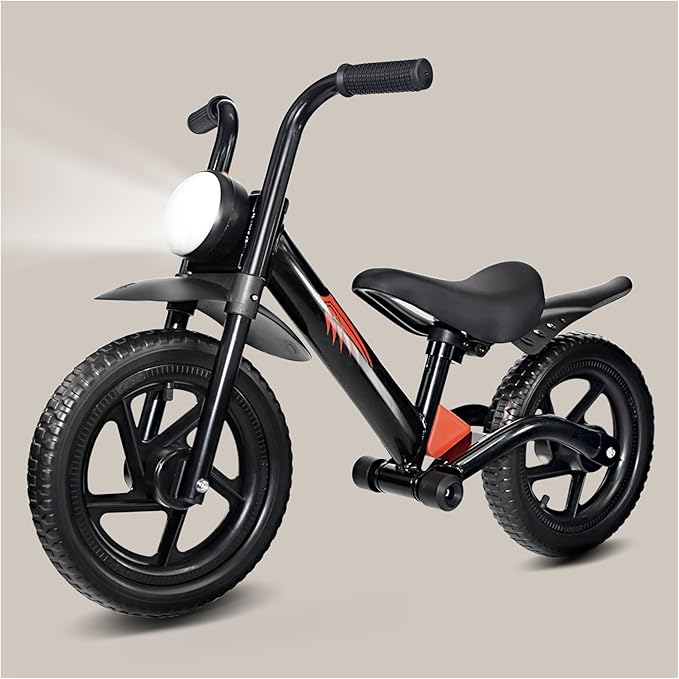
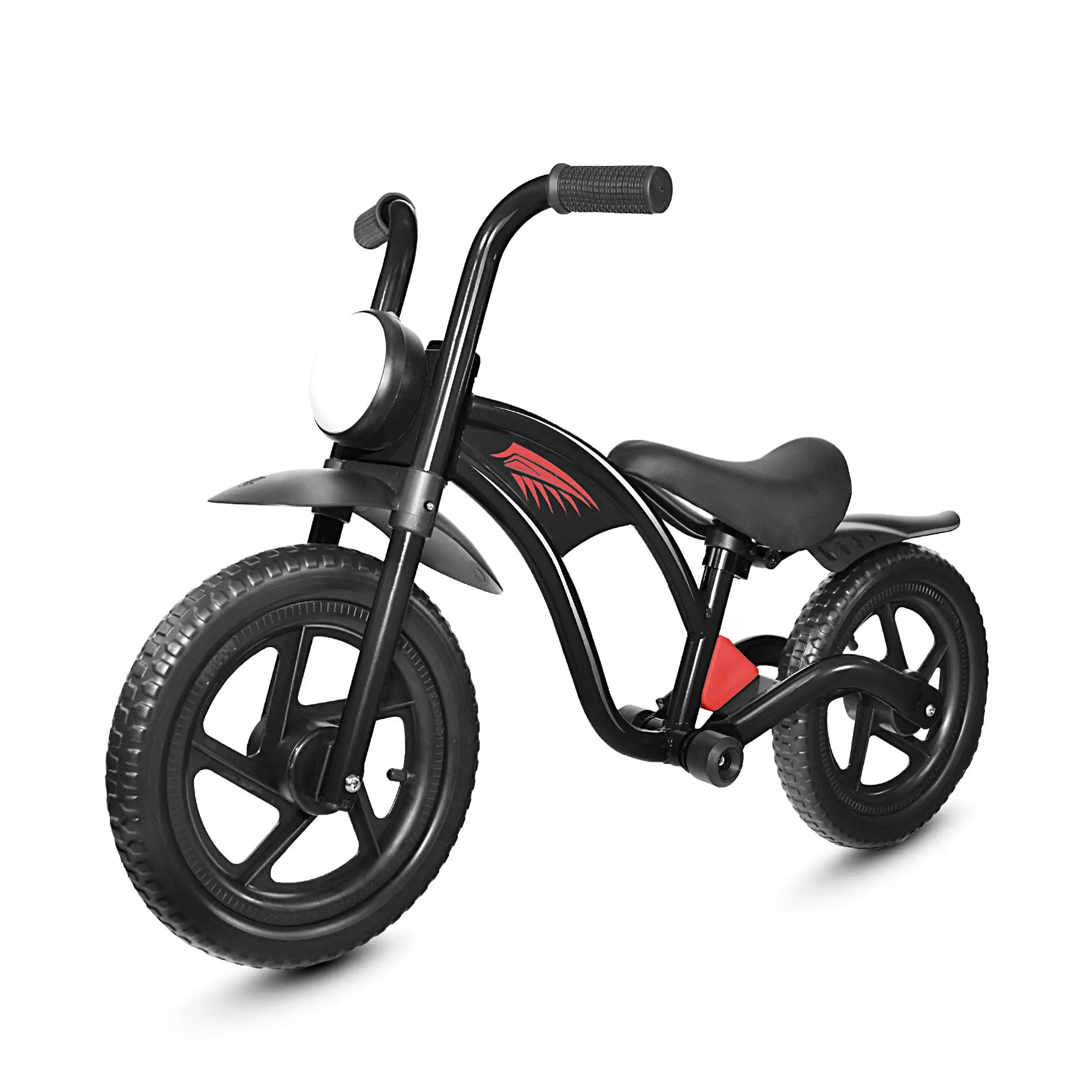
The KRIDDO 12 inch balance bike combines practical bike components with creative features that help children feel connected to their ride.
How to Choose the Right Bike Components for Your Child
When comparing balance bikes, parents should focus less on having the most features and more on choosing components that fit their child.
Consider:
Your Child’s Size
Can your child comfortably sit on the bike and place their feet on the ground?
Riding Environment
Will they mostly ride indoors, on sidewalks, grass, or uneven paths?
Confidence Level
Does your child need extra support, or are they ready to practice more independence?
Maintenance Preferences
Would you prefer easy-care foam tires or the smoother feel of air tires?
The right bike components should make riding easier, not more complicated.
A well-fitting balance bike helps children build confidence, practice coordination, and enjoy exploring the world on two wheels.