




8 Activities to Keep Kids Engaged:
Fun Ways to Get Children Moving and Learning
Tessa | 14th, July
There are moments in parenting when five quiet minutes feel like a luxury.
You finally sit down with a cup of coffee, answer one email, or start cleaning up the kitchen — and then you hear it:
“Mom, I’m bored.”
“Dad, what can I do?”
We’ve all been there.
Keeping children entertained and engaged can feel challenging, especially when screens are always available. Tablets, televisions, and video games can easily become the default option. But kids don’t just need something to watch — they need opportunities to move, explore, create, and use their imagination.
The good news? Keeping kids engaged doesn’t require expensive toys or complicated plans. Some of the best activities come from simple things already around your home.
From outdoor adventures to creative indoor games, here are some activities to keep kids engaged while helping them build confidence, curiosity, and important life skills.
Why Active Play Matters for Kids

Children naturally have a lot of energy. That energy is not something parents need to “get rid of” — it’s something children need to use.
Physical activity helps children develop coordination, strength, balance, and confidence. It also supports emotional development because movement gives kids a healthy way to release stress and frustration.
Of course, getting children away from screens is not always easy. Some days, convincing a toddler to leave a favorite show feels harder than cleaning up the entire playroom.
But small changes can make a big difference. Simple toddler physical activities that actually burn energy can help children stay active while making everyday life more enjoyable for the whole family.
The goal is not to create a perfect schedule filled with activities from morning to night. It is simply to give children more chances to move, think, and play.
1. Create a Simple “Science Experiment” Station
Kids love discovering how things work.
You don’t need a full science kit to create a fun experiment area. Sometimes the simplest materials create the most excitement.
Try setting up a small outdoor science station with:
- Empty containers
- Funnels
- Droppers
- Measuring cups
- Clean squeeze bottles
- Soap bubbles
- Food coloring mixed with water
One parent shared an idea of using cleaned barbecue sauce bottles filled with colored water and soap bubbles, along with an old bucket for mixing.
To adults, it may look like a few random containers filled with water. To a child, it becomes a laboratory.
They can mix colors, pour liquids, create “recipes,” and make up their own experiments.
The best part? There is no right or wrong answer. Kids are learning through curiosity.
2. Organize a Treasure Hunt
A treasure hunt is one of those activities that takes almost no preparation but can keep children busy much longer than expected.
Create a quick list of items they need to find:
- Something red
- Something round
- Something soft
- Something smaller than their hand
- Something from nature
You can do this inside the house, in the backyard, or during a family walk.
You know what’s great about this activity? It encourages children to pay attention to their surroundings. They are practicing problem-solving, observation, and decision-making without realizing they are learning.
And yes, parents sometimes get a few quiet minutes while kids search for their “treasures.” That’s a nice bonus.
3. Set Up a Water Play Area

Water play is almost magical for young children.
Give a toddler a few containers and some water, and suddenly they can spend hours pouring, mixing, and experimenting.
You can create a simple water station using items from your kitchen:
- Large pots
- Measuring cups
- Plastic bowls
- Strainers
- Sponges
- Spoons
- Ladles
Add some toy animals, dolls, or building blocks. Put a little dish soap in a small container, and children can create bubble games, pretend washing stations, or even a tiny boat adventure.
They might:
- Pour water back and forth
- Make pretend food
- Wash toys
- Create bubbles
- Build floating games
The activity is simple, but it supports fine motor skills, creativity, and independent play.
Just be prepared to refill the water a few times — and enjoy the fact that your patio might get a little cleaning at the same time.
4. Let Kids Help With Cooking and Cleaning
Sometimes the easiest activities are the ones already happening in your daily routine.
Children love feeling helpful.
Instead of telling them to stay away while you cook or clean, try giving them a small role.
You can let them:
- Cut soft foods with a toddler-safe knife
- Wash vegetables
- Move laundry into a basket
- Wipe tables
- Sweep the floor
- Help organize toys
Of course, it will probably take longer than doing it yourself.
A five-minute cleaning task may become a twenty-minute adventure. But your child is learning responsibility, independence, and practical skills.
They are also learning something important: “I am part of this family.”
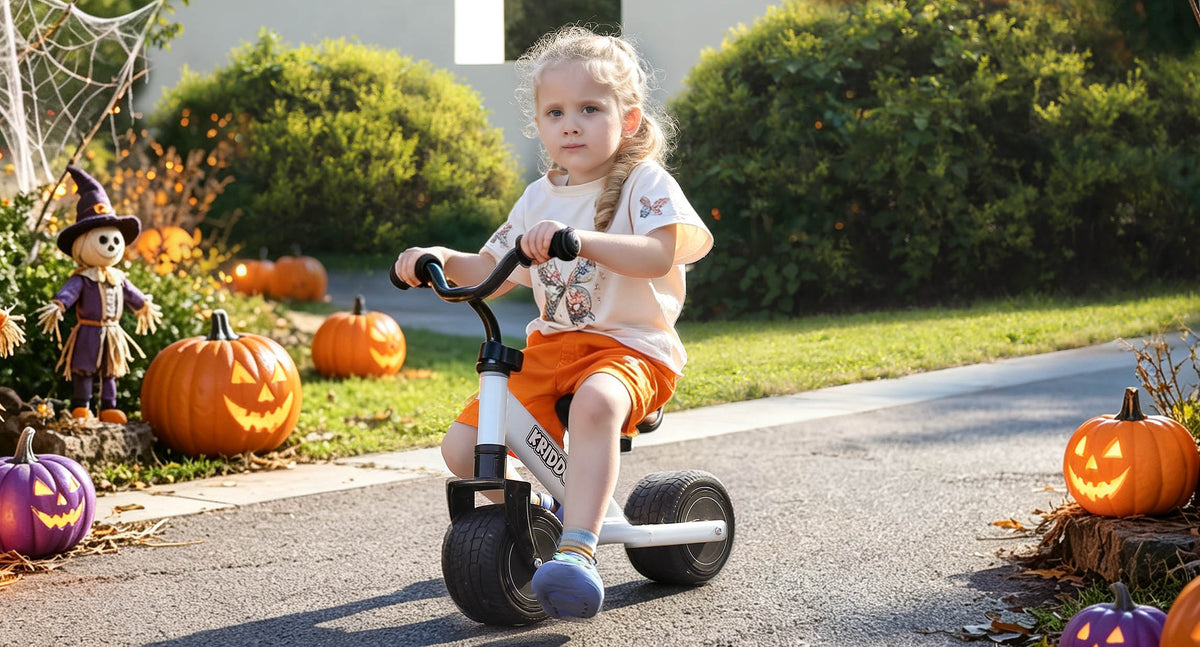
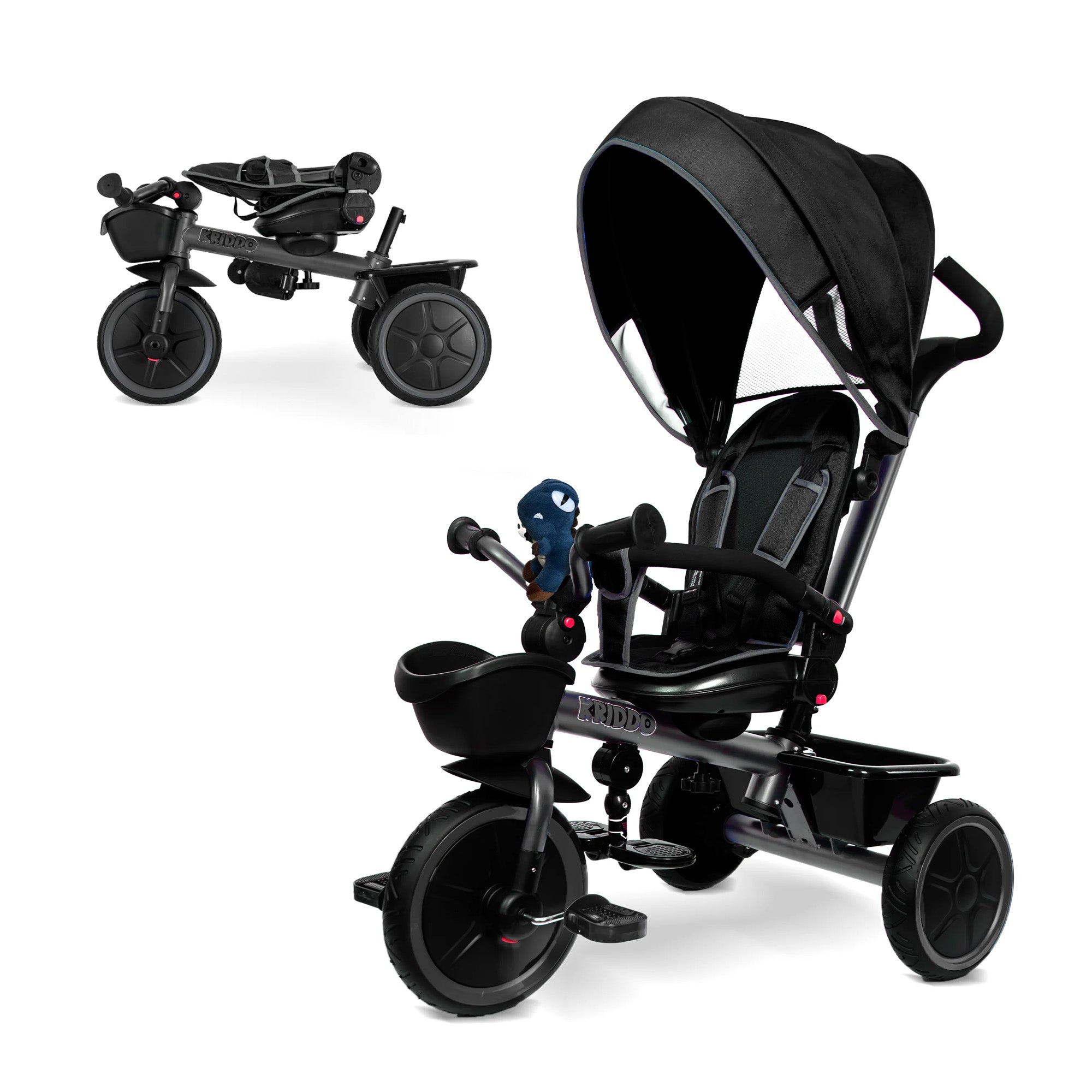
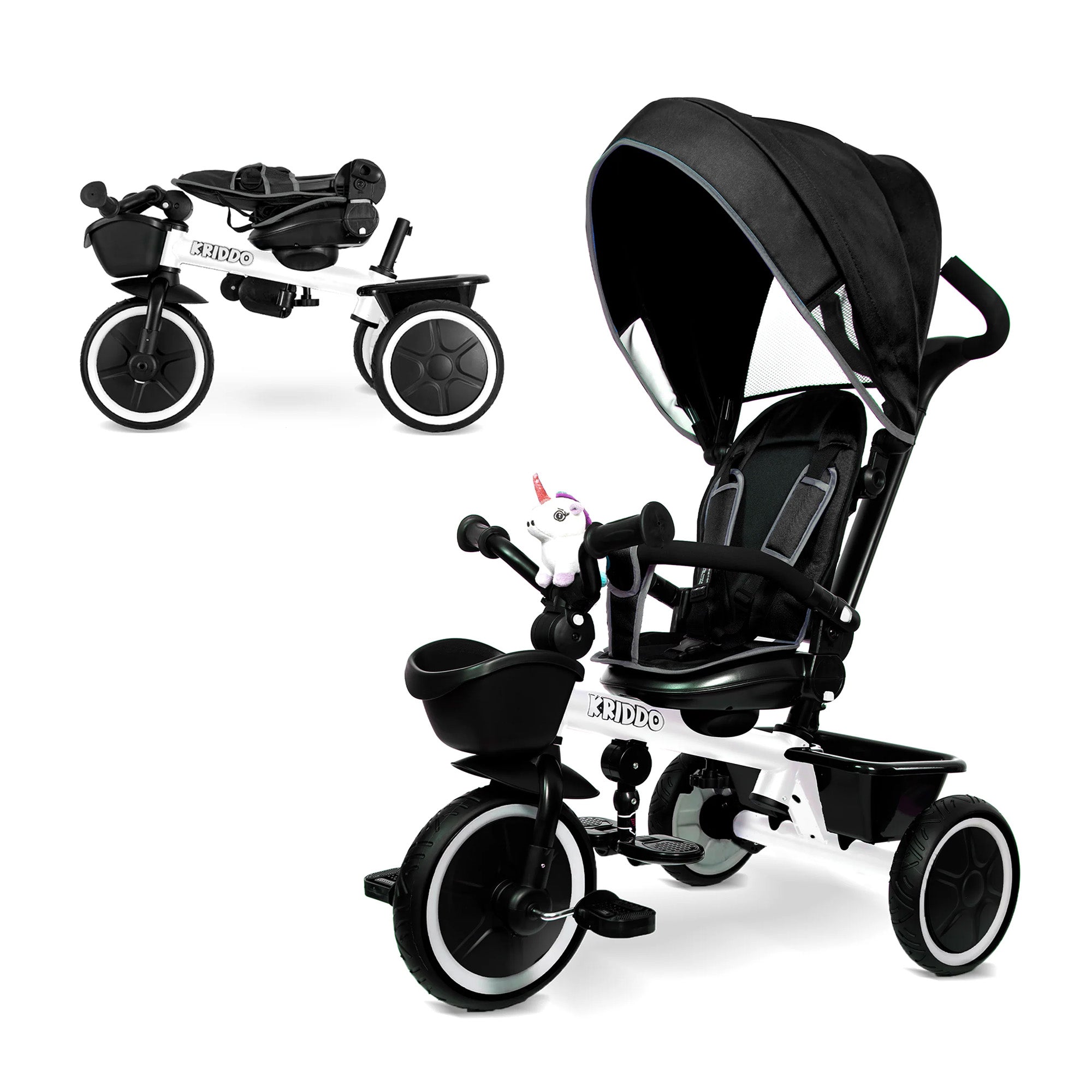
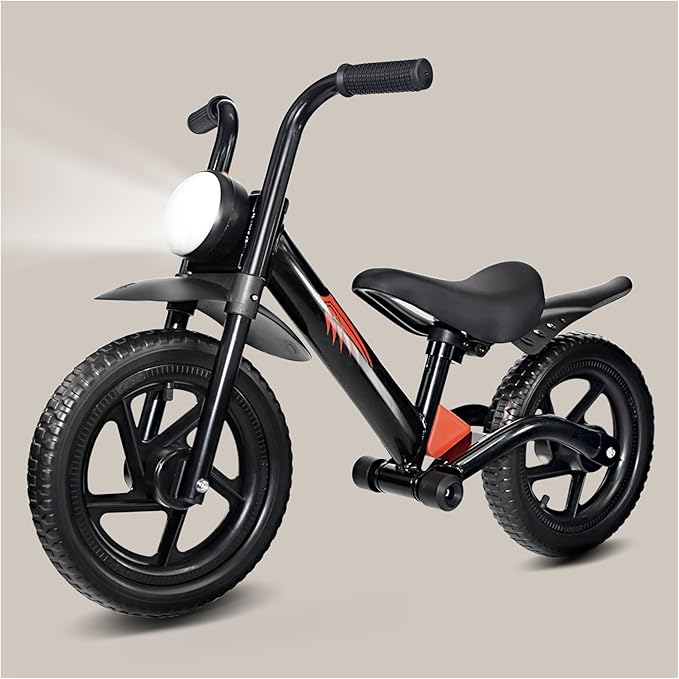
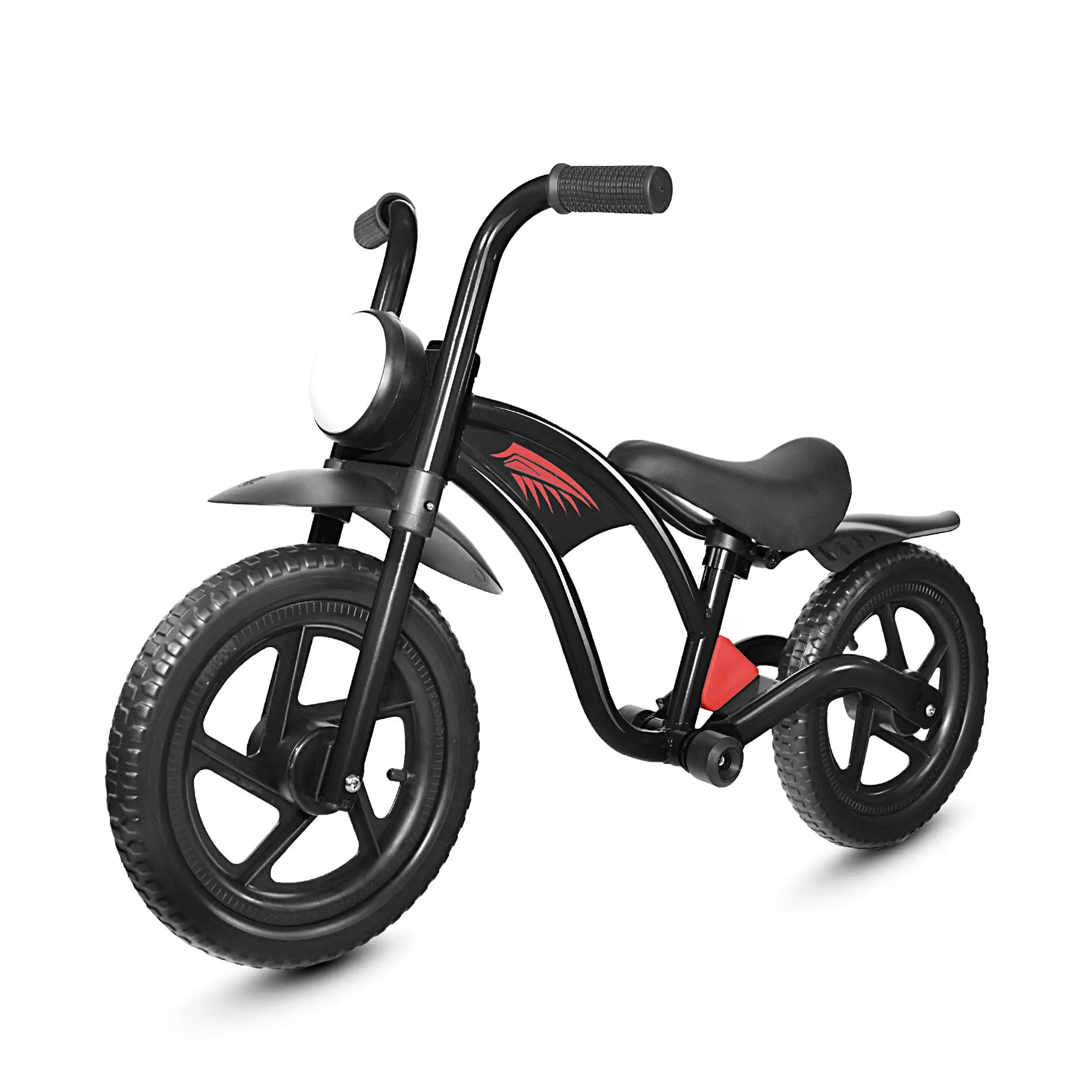
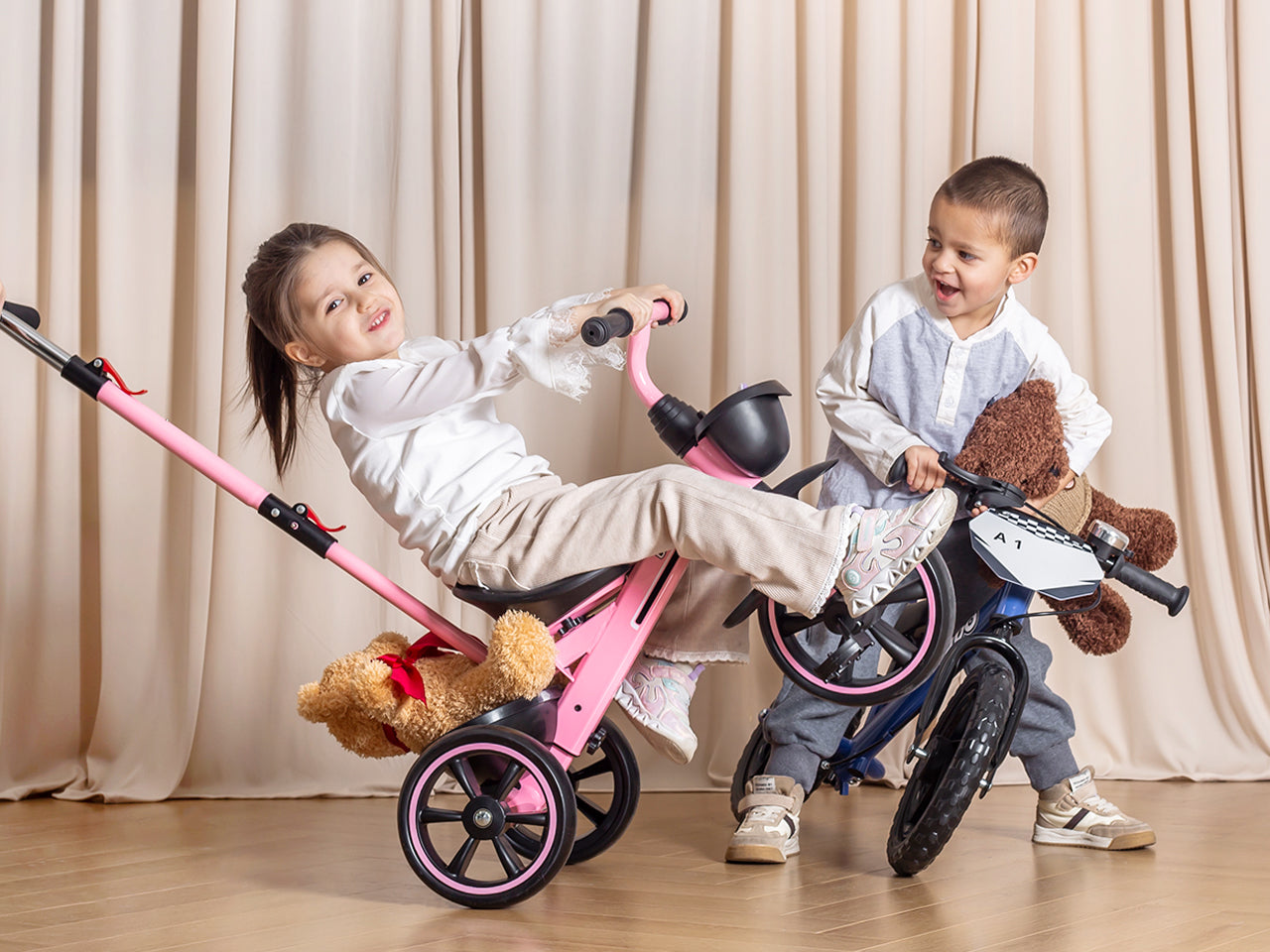
5. Ride a Balance Bike or Tricycle
For children who enjoy movement, riding toys are a fantastic way to stay engaged.
A balance bike or tricycle is not just a toy. It helps children develop coordination, confidence, and physical skills while introducing them to a lifelong activity: cycling.
Riding also gives children independence. They can choose where to go, practice controlling their movement, and enjoy outdoor exploration.
Interestingly, even children who don’t usually enjoy traditional sports may enjoy riding because it feels like play rather than competition. For children who avoid team activities, activities for kids who don’t like sports can provide other ways to stay active.
Whether your child prefers a balance bike, tricycle, or another ride-on toy, the important thing is finding movement they actually enjoy.
6. Turn Your Garage Into an Indoor Play Space
If you have a garage, you may already have the perfect activity area without realizing it.
With some organization, a garage can become a simple “home gym” or play zone.
You can add:
- Ride-on toys
- Balls
- Hula hoops
- Jump ropes
- Bicycles
- Small climbing toys
The garage can be especially useful during rainy days or when outdoor space is limited.
It is also one of the best places to store children’s riding toys. Having a dedicated storage system makes it easier for kids to access their toys and encourages them to play independently. These smart solutions for storing ride-on toys can help keep play areas organized.
A toy that is easy to reach is much more likely to be used.
7. Play Charades and Guessing Games
Not every engaging activity needs to involve running around.
Creative games can challenge children’s thinking and communication skills.
Try a simple family charades game:
- Ask children to think of five animals, characters, or objects.
- Write each one on a piece of paper.
- Put the papers into a bowl.
- Take turns acting them out.
Kids can pretend to be a dinosaur, a superhero, a dog, or a favorite story character.
This type of play helps children:
- Practice communication
- Build confidence
- Use imagination
- Express emotions
For shy children especially, pretending can be a comfortable way to practice speaking and performing.
8. Introduce Kids to Music, Theater, and Dance
Keeping kids engaged is not only about physical activity.
Creative experiences matter too.
Experts often highlight the importance of early exposure to the arts. Music can support language development, dance can strengthen body awareness, and theater can help children understand emotions and storytelling.
Taking children to see:
- A children’s concert
- A theater performance
- A ballet show
- A local music event
can open their minds to new ideas.
You may be surprised by what captures their attention. A child who seems restless at home might sit quietly through a performance because they are experiencing something completely new.
Finding Activities That Fit Your Child

Every child is different.
Some children love running, climbing, and riding. Others prefer creating, pretending, or exploring quietly.
The best activities to keep kids engaged are not necessarily the most expensive or impressive ones. They are the activities that match your child’s personality and make them want to participate.
Maybe your child spends an afternoon mixing colored water. Maybe they ride their bike around the driveway for an hour. Maybe they create an imaginary world with a cardboard box.
Those moments matter.
Children learn through play. They build skills, confidence, and creativity through experiences that feel fun.
So instead of asking, “How do I keep my child busy?”
Try asking:
“What can I give my child to explore?”
That small change in perspective can make everyday moments much more meaningful.