




How to Store Ride On Toys:
Smart Solutions Every Parent Can Use
Lisa | 16th, June
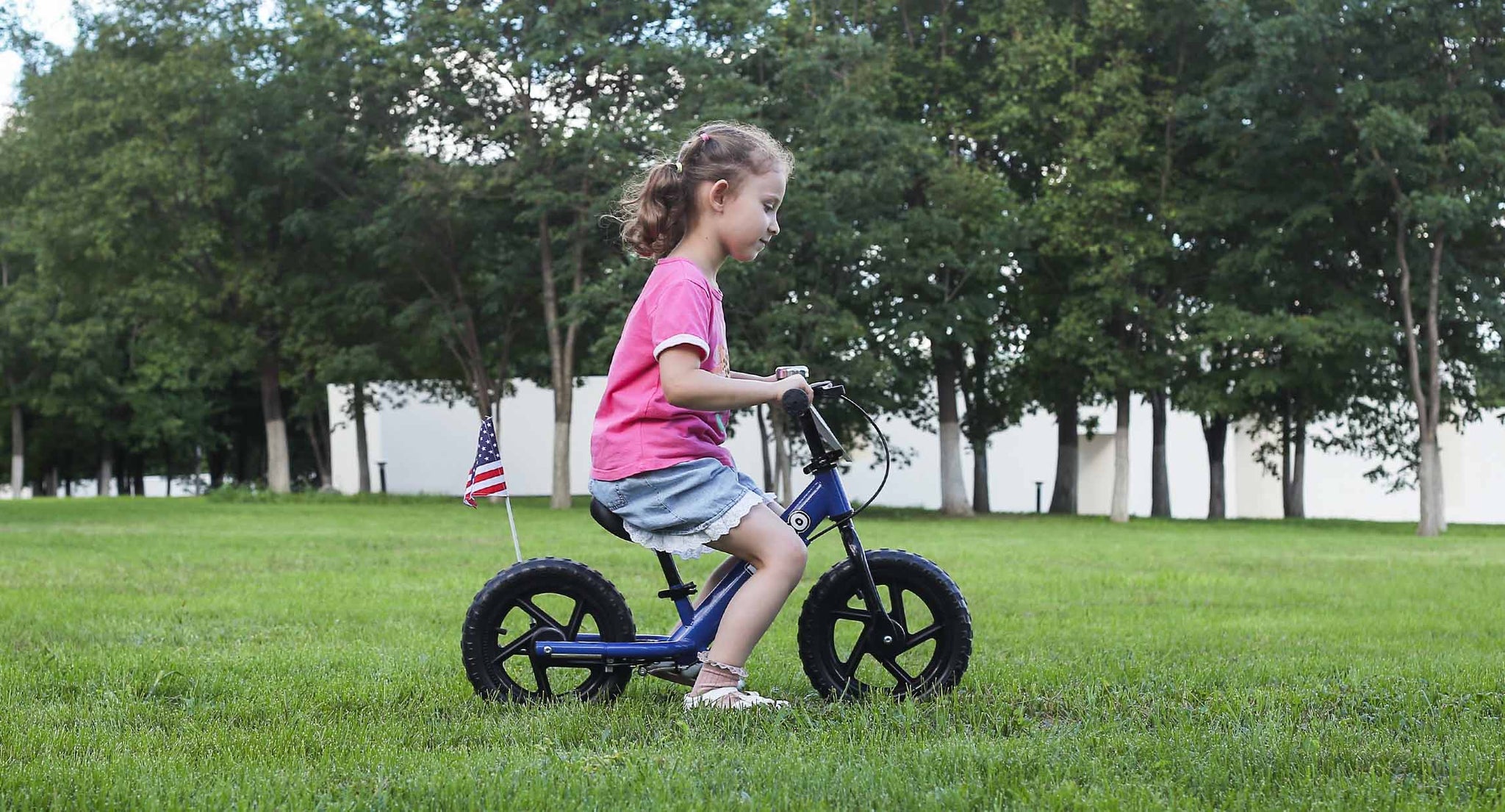
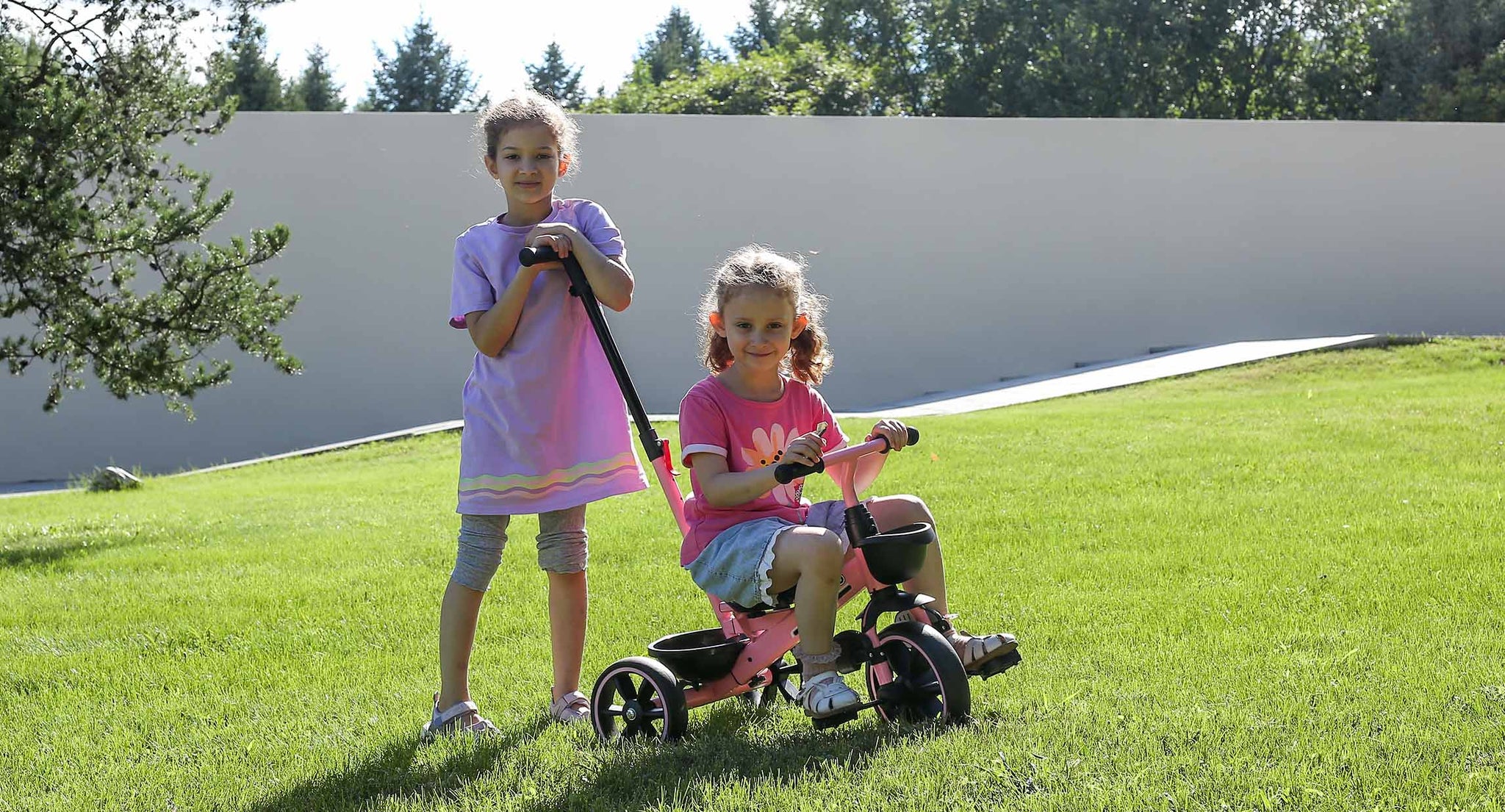
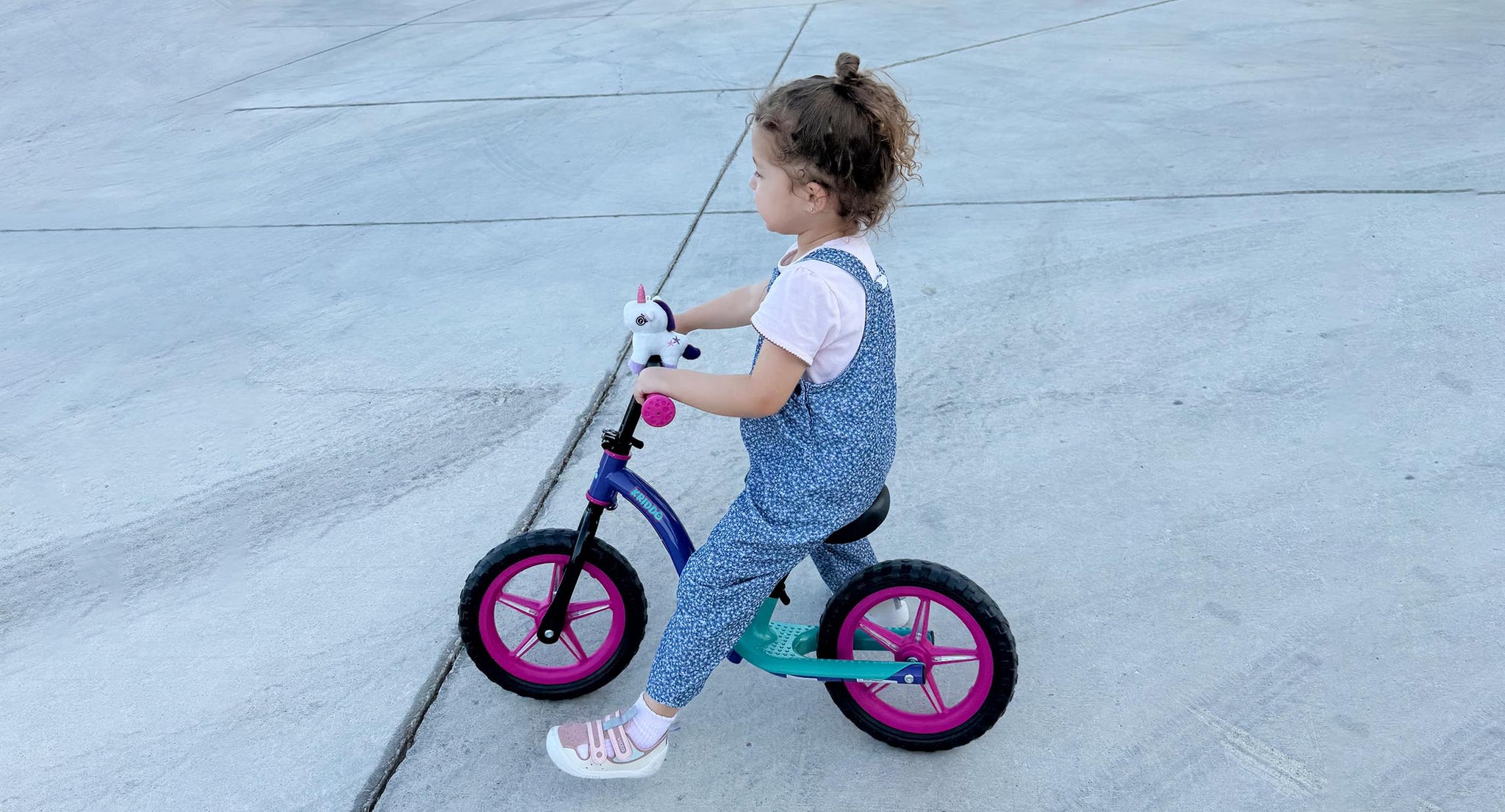
One minute your child is happily riding around the driveway on their balance bike. The next, there's a tricycle leaning against the garage wall, a ride-on car parked near the front door, and a helmet somehow sitting in the middle of the hallway.
If this sounds familiar, you're not alone.
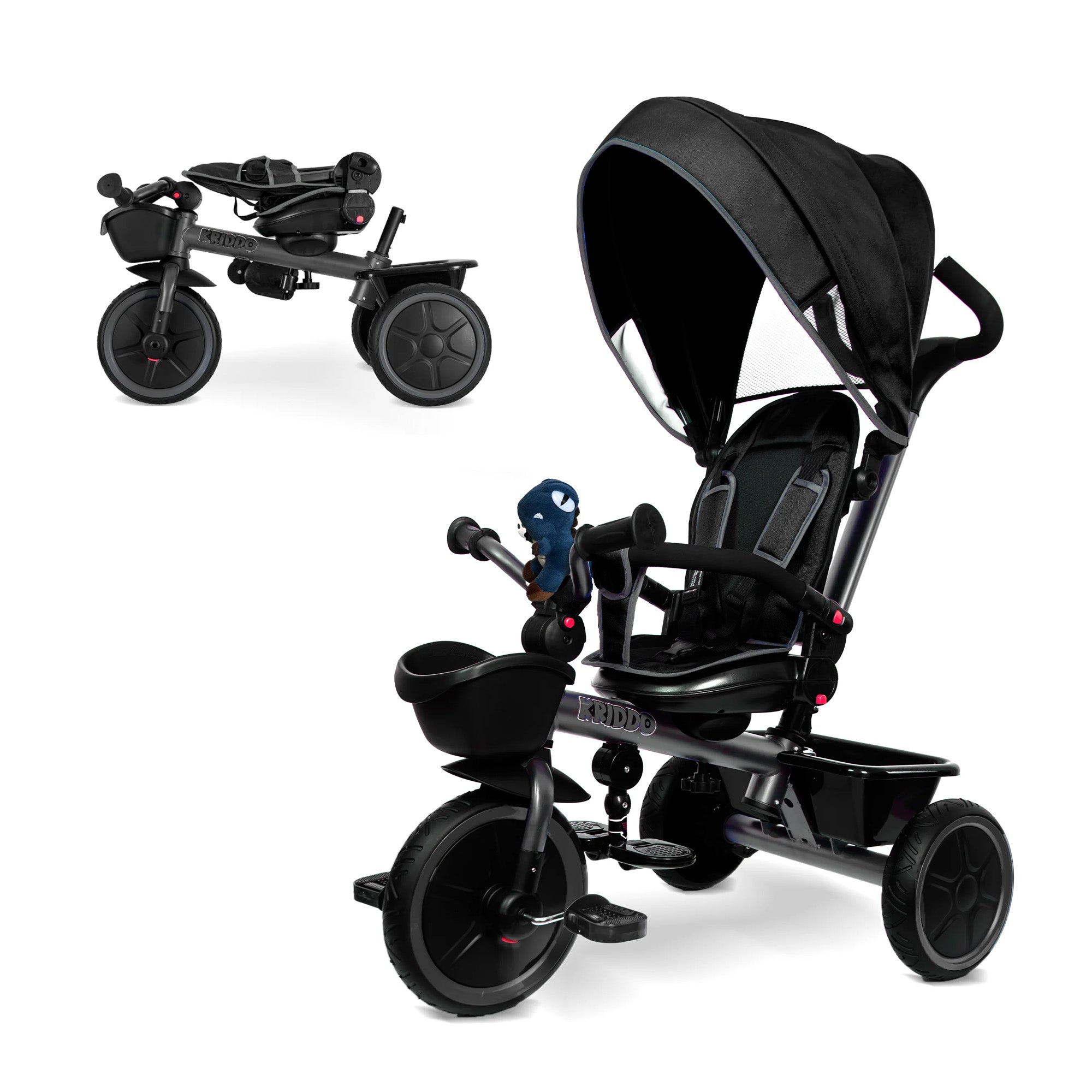
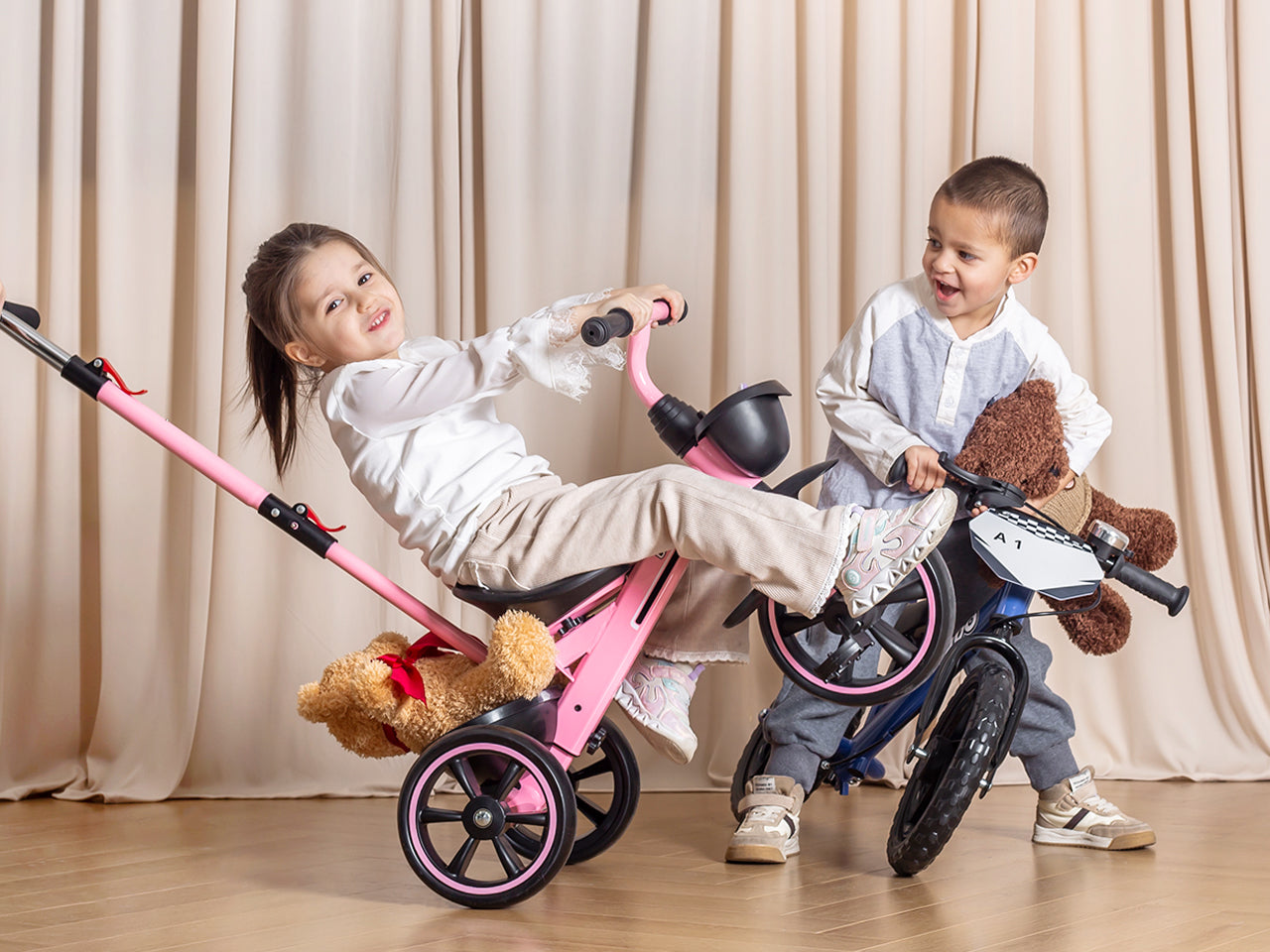
Ride-on toys bring excitement, confidence, and endless outdoor fun, especially during the warmer months when families start shopping for toddler summer toys. But they also take up a surprising amount of space. Balance bikes, bicycles, and kids' tricycles aren't small toys—they're more like miniature vehicles.
The good news? Learning how to store ride on toys doesn't mean getting rid of them. It simply means creating a system that works for your family and your space.
Why Learning How to Store Ride On Toys Matters

Honestly, it's tempting to leave a ride-on toy wherever there's an empty spot.
A corner of the garage. The back patio. The side of the house.
But over time, poor storage can create problems that many parents don't notice until it's too late.
It Helps Ride-On Toys Last Longer
Children's ride-on toys aren't designed to sit outside year-round.
Sunlight can fade plastic. Rain can encourage rust on metal parts. Dirt and dust work their way into wheels and moving components.
Whether your child rides a balance bike, scooter, or a toddler bike, proper storage helps keep it in good condition for years.
It Makes Your Home Safer
We've all done it.
You're carrying groceries, not paying attention, and suddenly there's a toy wheel where your foot expected clear ground.
Ride-on toys can quickly become tripping hazards. Organized storage keeps walkways, garages, and patios safer for both children and adults.
It Saves Money
Replacing damaged toys isn't cheap.
When parents learn how to store ride on toys correctly, they often avoid unnecessary repairs and premature replacements. A few simple storage habits can add years to the life of a favorite toy.
It Keeps Toys Ready for Adventure
Few things disappoint kids more than discovering their favorite ride-on toy has a wet seat, dirty wheels, or rusted components just when they're ready to play.
Good storage means less cleanup and more riding.
It Teaches Responsibility
Storage isn't just about organization.
It's also an opportunity to teach children ownership and responsibility. Even young kids can learn to return their balance bike or tricycle to its designated spot after a ride.
It Helps Preserve Resale Value
Children outgrow toys quickly.
If you plan to sell, donate, or hand down ride-on toys later, keeping them clean and protected can make a significant difference. Parents shopping for secondhand toys usually prefer items that have clearly been stored with care.
Choosing the Best Place to Store Ride On Toys
The best storage location depends on your available space, climate, and the size of your child's toys.
The goal is simple: keep toys dry, protected, and easy to access.
Garage Storage
For many families, the garage is the obvious solution.
It offers protection from weather while keeping toys close to the driveway and outdoor play areas.
To maximize garage space:
- Keep frequently used toys near the entrance.
- Store seasonal items elsewhere when possible.
- Create dedicated parking spots for larger ride-on toys.
A little organization goes a long way.
Storage Units for Seasonal Rotation
If garage space is limited, a small storage unit may be worth considering.
Many families rotate seasonal items throughout the year. Summer toys can be stored during winter, while sleds, snow gear, and holiday decorations take their place at home.
When spring returns, simply swap them back.
This approach keeps garages from feeling overcrowded year-round.
Use Shelving to Maximize Space
One of the smartest answers to how to store ride on toys is to think vertically.
Instead of allowing toys to spread across the floor, use shelving systems to organize equipment efficiently.
Freestanding storage shelves work particularly well for:
- Helmets
- Protective gear
- Smaller ride-on toys
- Toy accessories
- Maintenance supplies
A multi-tier storage rack can dramatically reduce clutter while keeping everything easy to find.
Featured Products
Install Strong Hooks for Hanging Storage
If floor space is limited, wall storage can be a game changer.
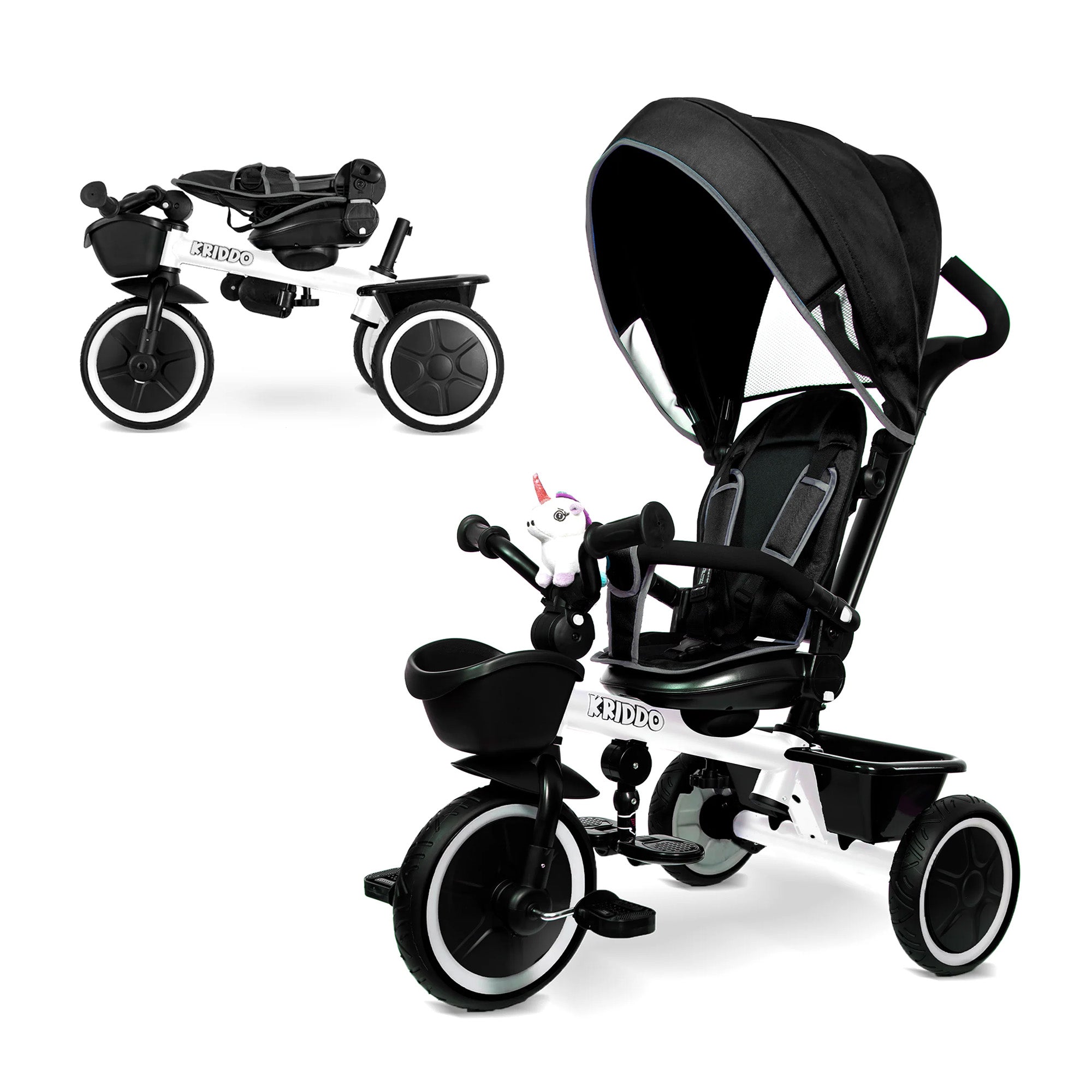
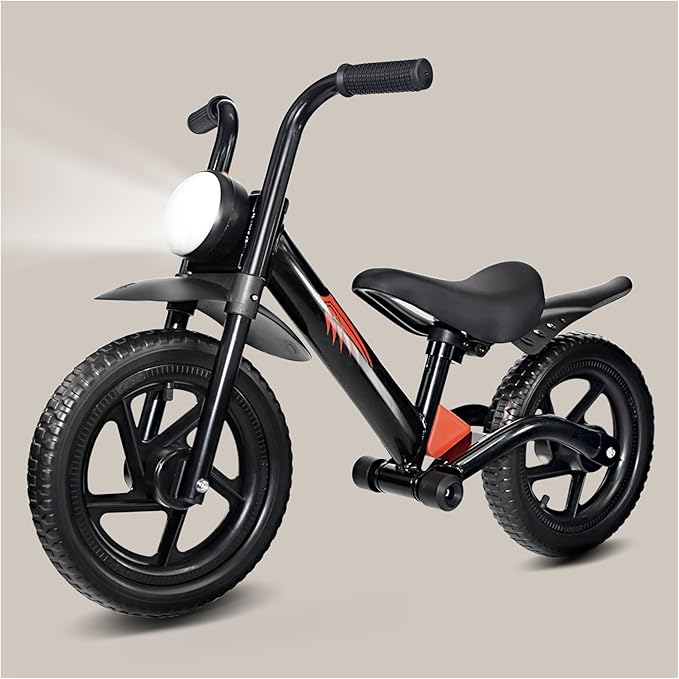
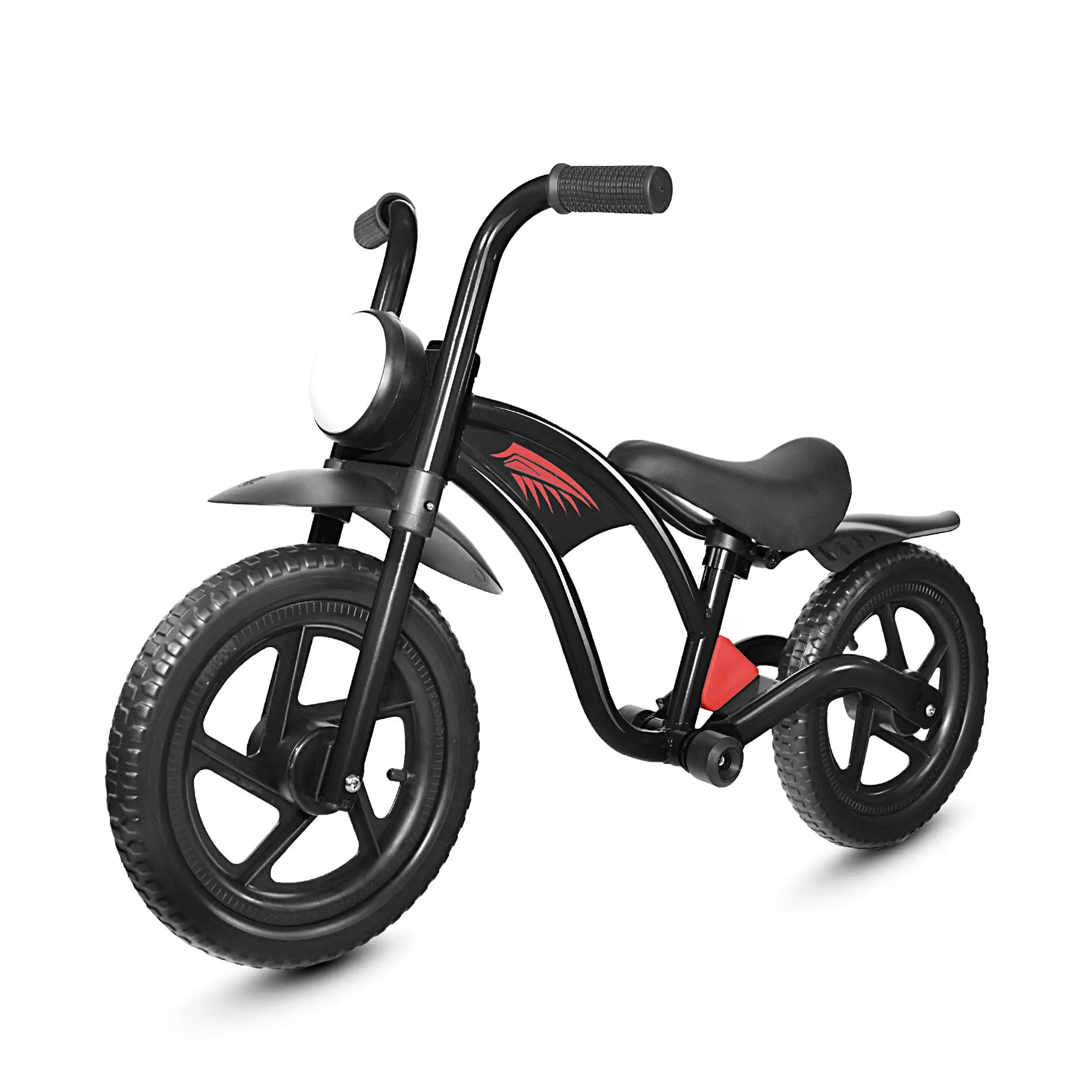
Many balance bikes and lightweight ride-on toys likie KRIDDO kids toys can be hung from sturdy wall hooks.
Before hanging anything, make sure:
- The hook is rated for the toy's weight.
- Wall anchors are properly installed.
- The toy is secure and stable.
For families with multiple children, wall storage often frees up valuable floor space while making the garage feel much larger.
Long-Term Storage Tips for Ride-On Toys
Sometimes children outgrow a toy temporarily, or families want to save it for younger siblings.
Long-term storage requires a little extra preparation.
Remember: even if a toy won't be used for months, you'll likely want it in good condition when it's needed again.
Clean Everything First
Before storing any ride-on toy:
- Remove dirt and mud.
- Dry all surfaces thoroughly.
- Check tires and moving parts.
- Wipe down frames and seats.
This simple step prevents grime from causing long-term damage.
For families maintaining bikes and ride-on toys regularly, these same habits can help extend the life of equipment.
Storage Units for Seasonal Rotation
If garage space is limited, a small storage unit may be worth considering.
Many families rotate seasonal items throughout the year. Summer toys can be stored during winter, while sleds, snow gear, and holiday decorations take their place at home.
When spring returns, simply swap them back.
This approach keeps garages from feeling overcrowded year-round.
Consider Basement Storage Carefully
Basements are often the default storage location for large items.
However, there are a few precautions worth taking:
- Never place toys directly on concrete floors.
- Cover toys with breathable protective fabric.
- Monitor humidity levels.
High humidity can encourage rust and mold growth, especially on metal components and padded seats.
If your basement stays dry year-round, it can be an excellent storage solution.
How to Store Ride On Toys Outdoors
Sometimes indoor storage simply isn't available.
If outdoor storage is your only option, protection becomes even more important.
Use Waterproof Covers
A quality waterproof cover can help shield ride-on toys from:
- Rain
- Morning dew
- UV exposure
- Dust and debris
Over time, direct sunlight can cause plastic components to fade and become brittle. Covering toys helps reduce that damage.
Take Advantage of Covered Areas
Whenever possible, place toys under:
- Patio roofs
- Carports
- Awnings
- Covered porches
Combining a protective cover with an overhead shelter provides significantly better protection than either solution alone.
While outdoor storage isn't ideal, these precautions can help keep toys usable and attractive for much longer.
Final Thoughts

Learning how to store ride on toys isn't really about organization alone—it's about protecting the things that bring your child joy.
A little planning can prevent clutter, extend the life of expensive toys, and make outdoor play much more enjoyable.
Whether you're storing a balance bike, a tricycle, or a battery-powered ride-on vehicle, the best storage system is one that keeps toys protected while remaining easy for your family to use every day.
After all, when your child is excited to ride, the last thing anyone wants is to spend twenty minutes searching for a helmet or cleaning mud off a forgotten bike.