




7 Back to School Tips:
How to Help Kids Start the School Year
Rebecca | 1st, Apr
Back-to-school season always arrives with a strange mix of excitement and chaos. One minute your child is sleeping in, riding around the neighborhood, and forgetting what day it is. The next minute, you’re labeling water bottles, finding missing socks, and trying to remember where the lunch boxes went.
That shift can feel big for kids too.
As a trusted companion in childhood, KRIDDO has always cared about children’s growth, confidence, and everyday joy. And during back-to-school season, that support matters even more. A strong start can shape the entire school year—not just academically, but emotionally, physically, and socially too.
If you want your child to head into the new school year feeling safe, steady, and genuinely excited, these practical back to school tips can help make the transition smoother for the whole family.
Start With Sleep—Because Everything Feels Harder Without It

Let’s be honest: one of the toughest parts of back-to-school season is fixing summer sleep habits.
Kids do not magically switch from late-night cartoons and lazy mornings to school-ready schedules overnight. That adjustment takes time. If you wait until the night before school starts, you’re already behind.
The smartest move is to begin shifting bedtime two to three weeks before school begins. Start small. Move bedtime earlier by 15 to 20 minutes every few nights until your child is back on a school-year routine.
And don’t underestimate how much a calm evening routine helps.
A warm bath, quiet reading time, dim lights, and a predictable bedtime sequence can signal to your child’s brain that it’s time to slow down. That matters more than people think.
General Sleep Needs by Age
Different ages need different amounts of sleep, and kids often need more rest than adults assume:
- Preschoolers (ages 3–5): 10–13 hours a day, including naps
- School-age children (ages 6–12): 9–12 hours a night
- Teens (ages 13–18): 8–10 hours a night
If your child wakes up groggy, emotional, or impossible to motivate in the morning, sleep is often the first thing worth fixing.
Rebuild the School Routine Before School Actually Starts
Here’s the thing: kids do better when life feels predictable.
That doesn’t mean every hour needs to be scheduled down to the minute, but it does mean a loose daily rhythm helps them feel more secure and more capable. Back-to-school season is the perfect time to rebuild those routines before the first day hits.
One of the easiest ways to do that is to write the routine down and walk through it with your child.
For evenings, a school-night routine might include:
- Snack or dinner
- Homework or reading
- Playtime or quiet time
- Bath or shower
- Pajamas and brushing teeth
- Talking about the day
- Reading before bed
That rhythm helps kids know what comes next, which cuts down on resistance, stalling, and bedtime drama. Not always, of course. They’re still kids. But it helps.
Morning routines matter just as much. Practice getting dressed, eating breakfast, brushing teeth, packing a backpack, and leaving on time before the first day of school. It sounds basic, but those dry runs can make the first real school morning feel much less overwhelming.
Make a Safe School Transportation Plan Ahead of Time
School mornings go a lot more smoothly when everyone knows exactly how your child is getting there.
This part is not glamorous, but it matters. Whether your child rides the bus, walks, bikes, or carpools, having a clear and safe transportation plan removes a lot of first-week stress.
If Your Child Rides the School Bus
Go over the bus number, pickup time, drop-off location, and where your child should stand while waiting.
Talk through basic safety habits like:
- Waiting on the sidewalk, not near the curb
- Standing where the driver can clearly see them
- Looking both ways before crossing the street
- Never walking behind the bus
If your school allows it, meeting the bus driver before the first day can help ease first-week nerves—especially for younger kids.
If Your Child Walks to School
Walk the route with them ahead of time.
Actually walk it. Don’t just point at it on a map and call it done.
Notice where they’ll cross streets, where traffic tends to be busy, and whether there are sidewalks the whole way. Practice stopping at corners, watching for turning cars, and obeying crossing signals. If possible, see whether another child in the neighborhood can walk with them.
Notice where they’ll cross streets, where traffic tends to be busy, and whether there are sidewalks the whole way. Practice stopping at corners, watching for turning cars, and obeying crossing signals. If possible, see whether another child in the neighborhood can walk with them.
If You Drive or Carpool
If you’re driving, make sure your child knows the pickup and drop-off routine so they’re not confused or anxious in the parking lot line. If you’re organizing a carpool, confirm who is driving on which days, what time pickup happens, and what the backup plan is if someone cancels.
And yes—seat belts every time. No exceptions, even for short drives.
Biking to School? Practice Before the First Day
For many families, biking to school can be one of the best parts of the school year. It builds independence, gets kids moving early in the day, and makes the morning feel a little more fun and a lot less rushed.
But it should never feel improvised.
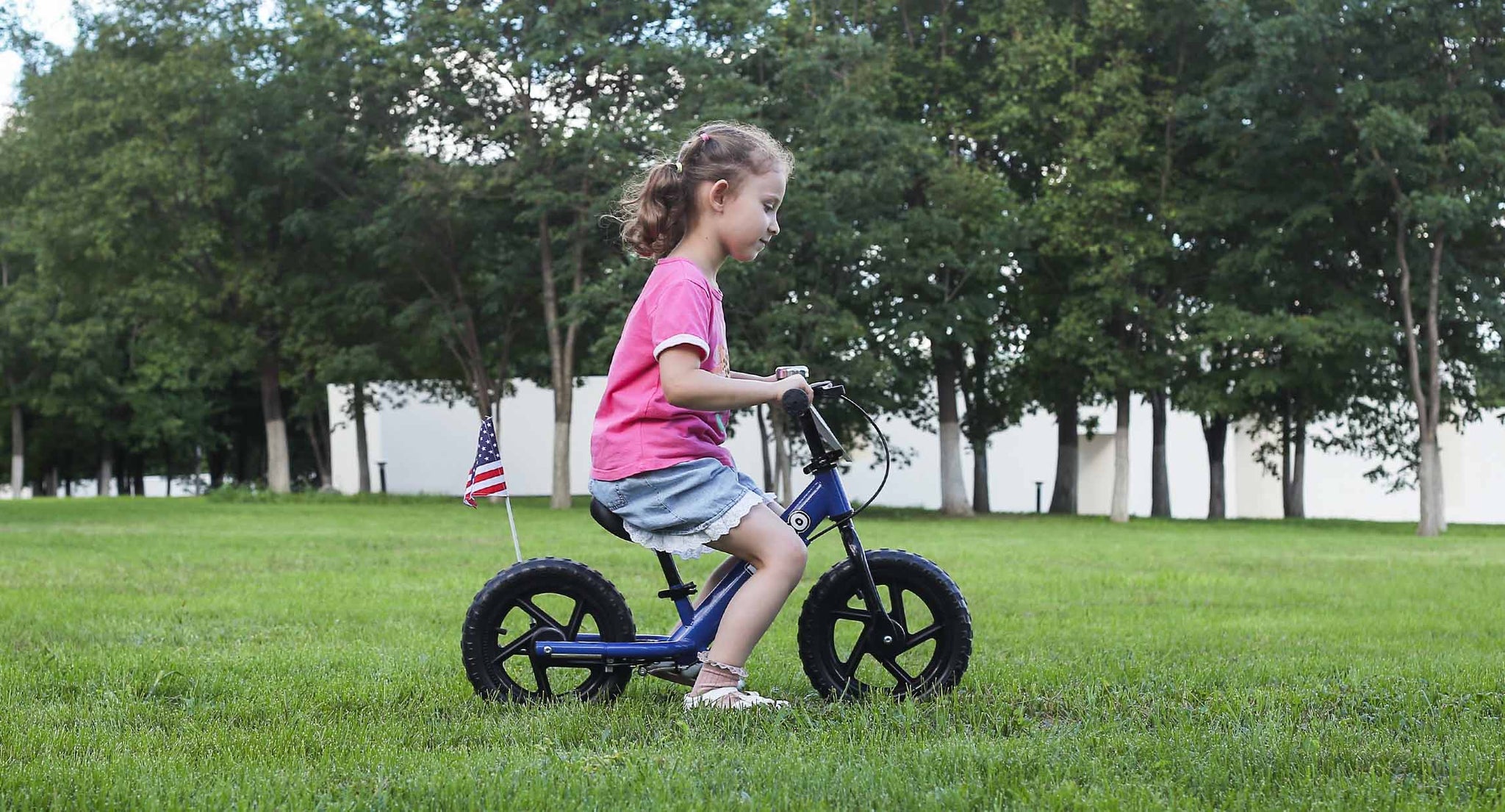
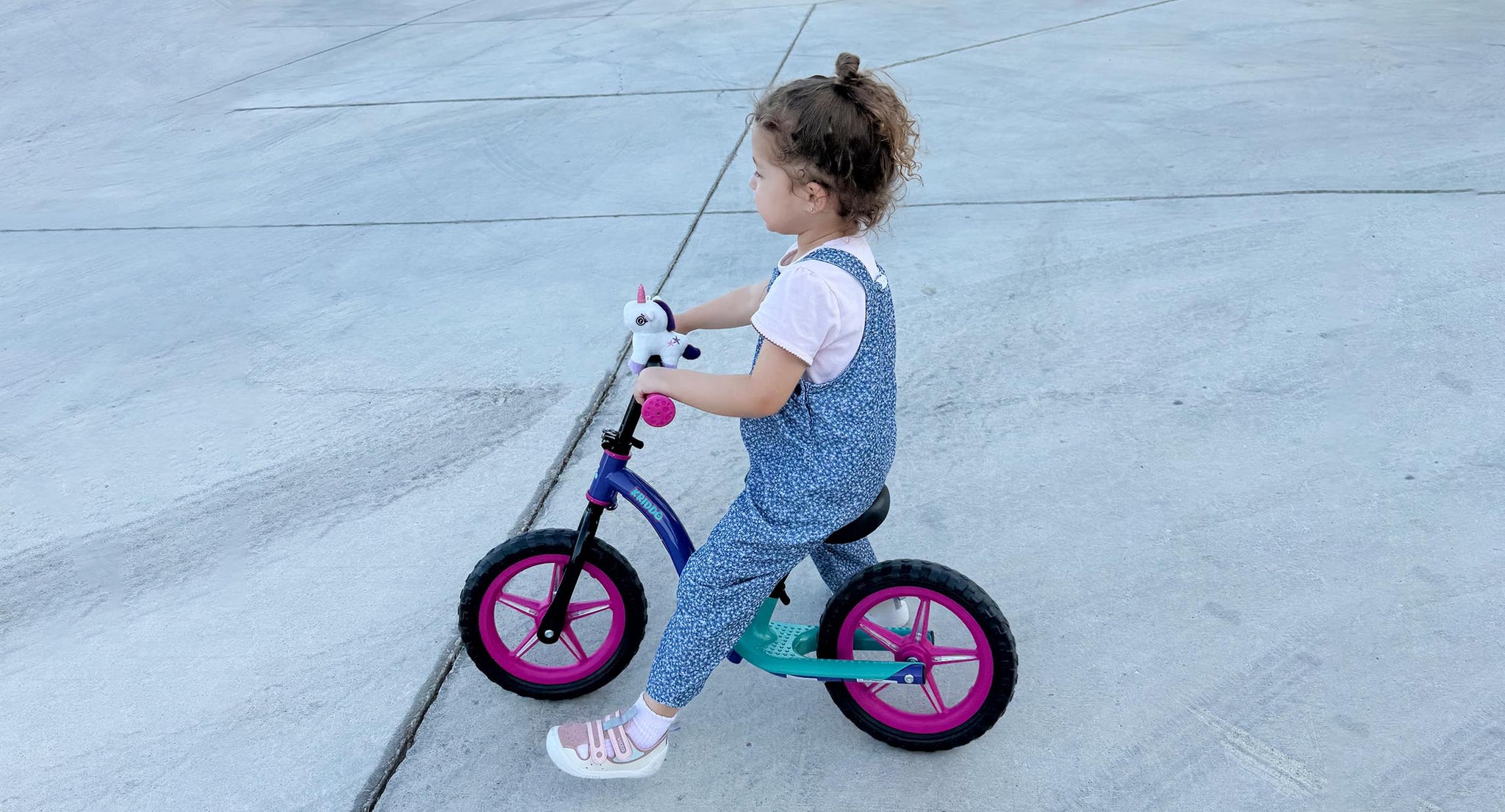
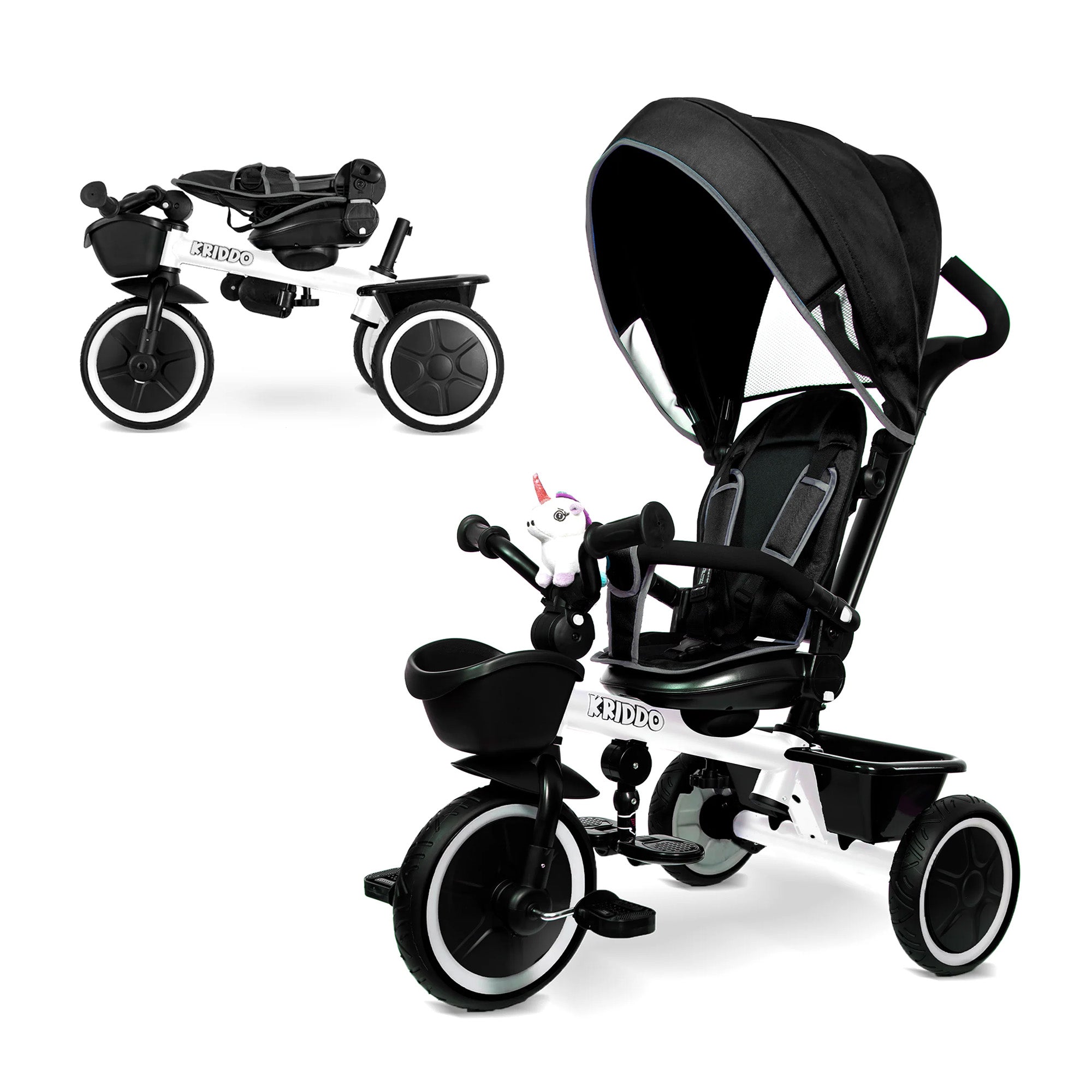
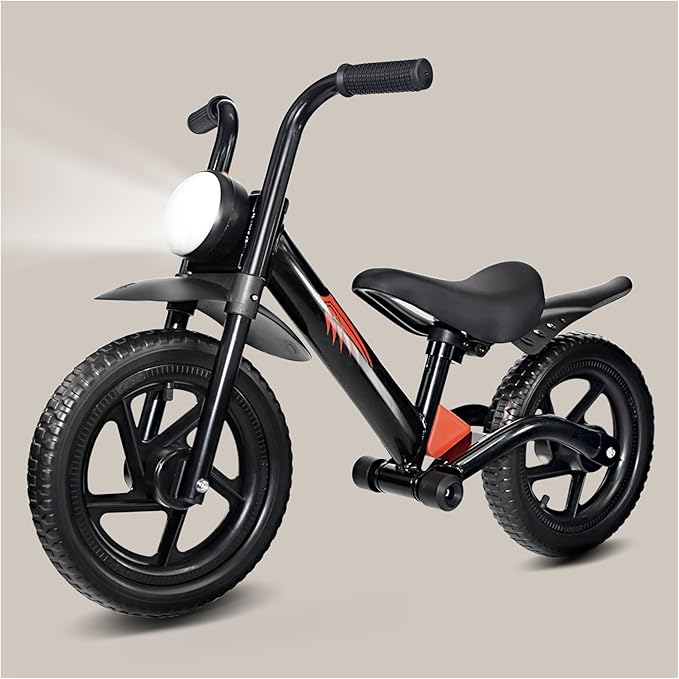
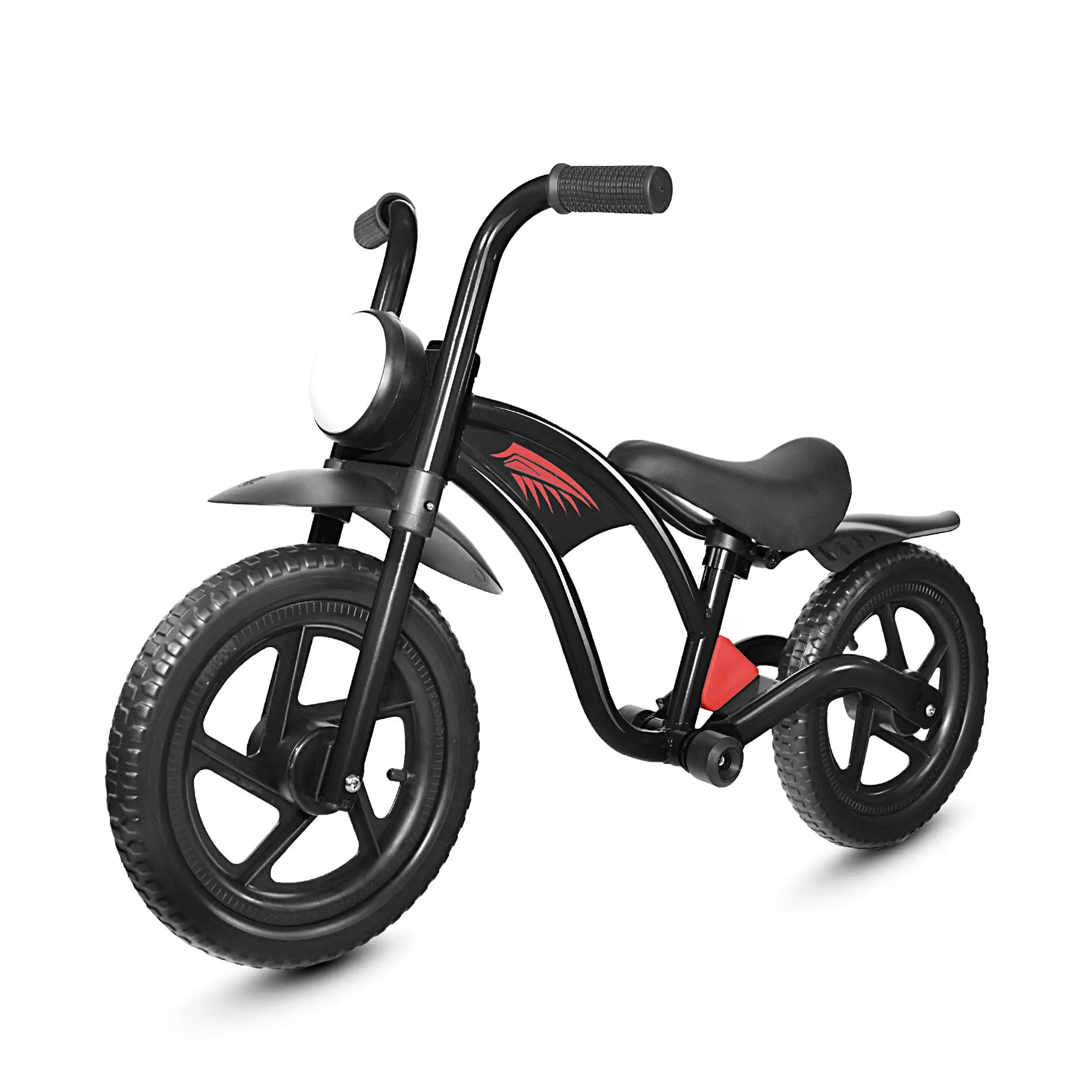
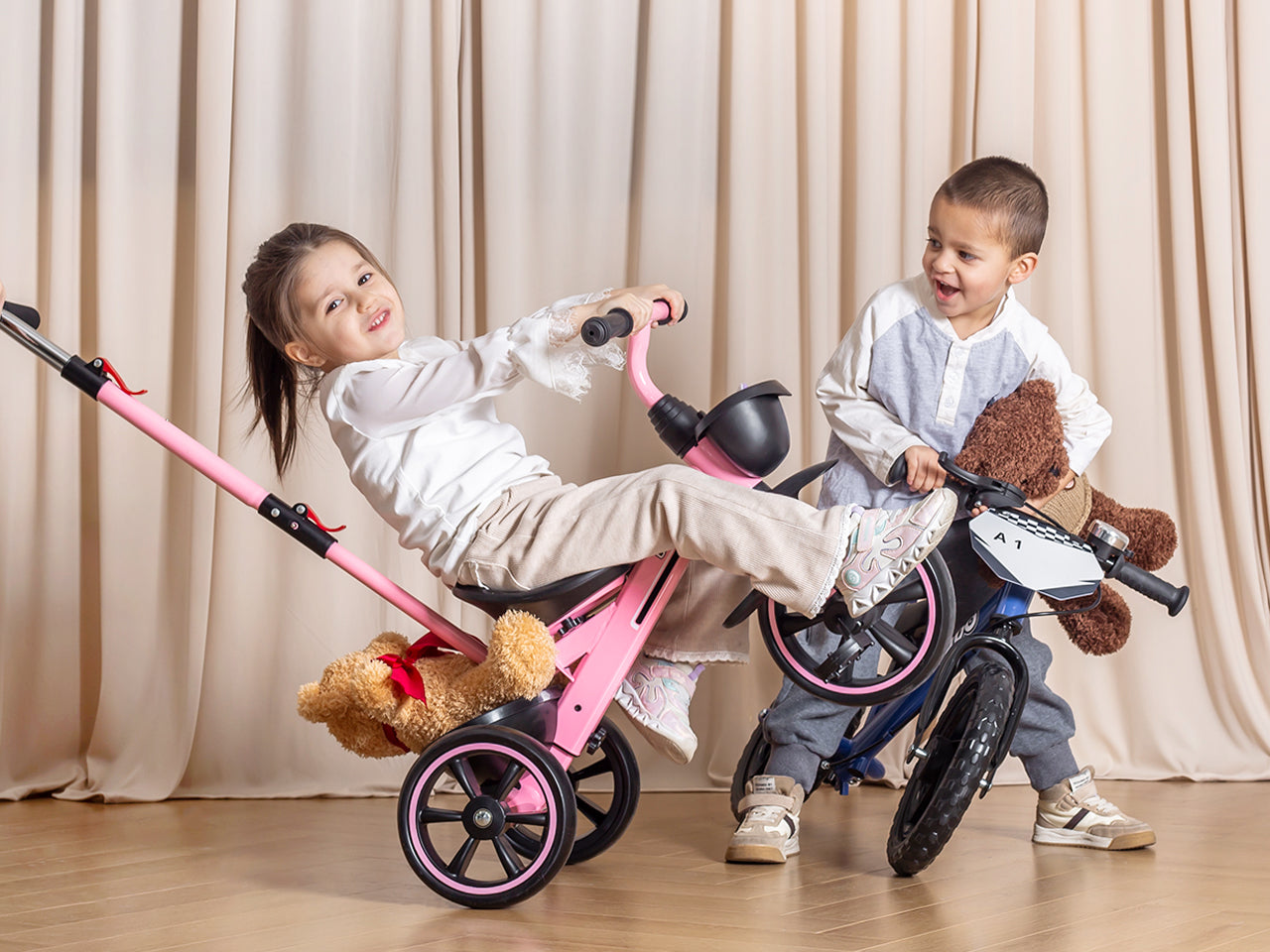
Before the first day of school, have your child practice the route to school on a kids bike so they can get used to the distance, turns, intersections, and timing. The goal is not just getting there. It’s helping them feel comfortable and confident doing it.
If your child is still building riding skills or confidence, that practice matters even more.
Smart Bike Safety Rules to Review
Whether your child is riding two blocks or twenty minutes, these basics are non-negotiable:
- Always wear a helmet
- Ride on the right side of the road, in the same direction as traffic
- Use the bike lane when one is available
- Teach and practice hand signals
- Stop at traffic lights and stop signs
- Watch carefully for parked cars, driveways, and turning vehicles
And one more thing that often gets overlooked: visibility.
Bright clothing makes a real difference. White, neon, and other light-colored clothing can help drivers see your child more easily, especially during darker early mornings. Reflective gear is even better if sunrise comes later in your area once fall kicks in.
Featured Products
Reset Screen Time Before School Takes Over
Summer has a funny way of stretching screen habits.
A little extra tablet time becomes a lot. Bedtime scrolling sneaks in. Background TV becomes constant. And before you know it, everyone is glued to a screen and somehow still bored.
Back-to-school season is actually the perfect time to reset.
You do not need to make the house feel like a technology prison. You just need a few clear boundaries that help everyone function better.
A few realistic screen-time resets might include:
- No devices during meals
- No screens during homework
- Family device-free time before bed
- Charging phones and tablets outside bedrooms
- Using an alarm clock instead of a phone in the morning
That last one is especially useful for older kids and teens. If the phone is the alarm, it also becomes the excuse. And once they pick it up, the morning can go sideways fast.
A cleaner nighttime routine usually leads to better sleep, easier mornings, and fewer school-day meltdowns. Not instantly, maybe—but consistently.
Talk About First-Week Nerves Like They’re Normal—Because They Are
A lot of children worry about school more than they say out loud.
Some kids talk nonstop about it. Others say they’re “fine” and then suddenly cry over shoes, breakfast, or absolutely nothing. It’s not really about the shoes. It’s the stress leaking out sideways.
So if your child seems nervous about the first week, don’t rush to shut it down. Let them say it.
Tell them the truth: being nervous is normal. Even teachers get first-day jitters sometimes.
That reassurance can go a long way.
Ways to Help Kids Manage Back-to-School Anxiety
You don’t need a huge emotional intervention. Usually, small, calm support works best.
Try this:
- Let them say what they’re worried about
- Share a simple story about your own first-day nerves
- Practice slow, deep breathing together
- Walk through specific scenarios they’re worried about
- Role-play what to say if they don’t know who to sit with or talk to
That last one can be surprisingly helpful. Sometimes kids are not scared of “school” in a broad sense—they’re scared of one tiny social moment. Lunch tables. Bus seats. Recess. Group work. Those details matter.
If anxiety still feels intense or ongoing, reach out to the school and ask what mental health support is available. Many schools have counselors, adjustment resources, or student support staff who can help children ease into the year more comfortably.
Celebrate the Start of the School Year—Because It Should Feel Special
This part gets skipped too often, and honestly, it shouldn’t.
Back-to-school season can feel rushed, expensive, and stressful. But it’s also a milestone. A fresh start. A new chapter. And for kids, that deserves a little celebration.
You do not need to throw a huge Pinterest-style event. Just mark the moment.
A simple back-to-school celebration the day before school starts can help your child see the transition as something exciting rather than something to dread.
You might do something like:
- Bake a small cake or favorite dessert
- Put up balloons in the kitchen
- Give a small puzzle or brain-game gift
- Let them choose dinner
- Set out their first-day outfit
- Take a front-step photo the next morning
That photo matters more than you think. One day it’s just a cute picture. A few years later, it’s a snapshot of a whole season of life.
And those tiny traditions? They stick.
The Real Goal Is Not a Perfect Start—It’s a Steady One

If you’re looking for useful, realistic back to school tips, this is probably the most important one: your child does not need a perfect first week.
They need support.
They need enough sleep, enough structure, a safe way to get to school, a little patience, and the confidence that home still feels steady while everything else shifts around them.
Some mornings will be smooth. Some will absolutely not. Someone will forget a folder. Someone will spill milk. Someone may suddenly decide they hate socks. That’s not failure. That’s family life in August and September.
What matters is that your child starts the school year feeling cared for, prepared, and capable.
And that kind of start can carry them a long way.