




6 Fun Challenges for Kids
That Build Confidence and Everyday Skills
Tiffany | 29th, July
Last weekend, I watched my child spend almost twenty minutes trying to move a small toy car across a “bridge” made from books, pillows, and cardboard pieces. The first few attempts didn’t work. The car fell. The bridge collapsed. And honestly, I thought they would give up.
But they didn’t.
They adjusted the books, moved the cardboard, tried again, and finally shouted, “I did it!”
That little moment is exactly why simple challenges matter so much during childhood. Kids don’t always need expensive toys or perfectly planned activities. Sometimes, they just need a small goal that feels exciting enough to make them try.
The right challenges for kids can encourage creativity, patience, problem-solving, and confidence. When a challenge feels like a game instead of a lesson, children naturally want to participate, repeat the activity, and improve.
The secret is choosing challenges that match your child’s age and ability. A good challenge should make them think, move, and explore—but it should also leave them feeling proud.
Why small challenges can make a big difference for kids

Children learn through trying. They learn when something works, but they also learn when something doesn’t.
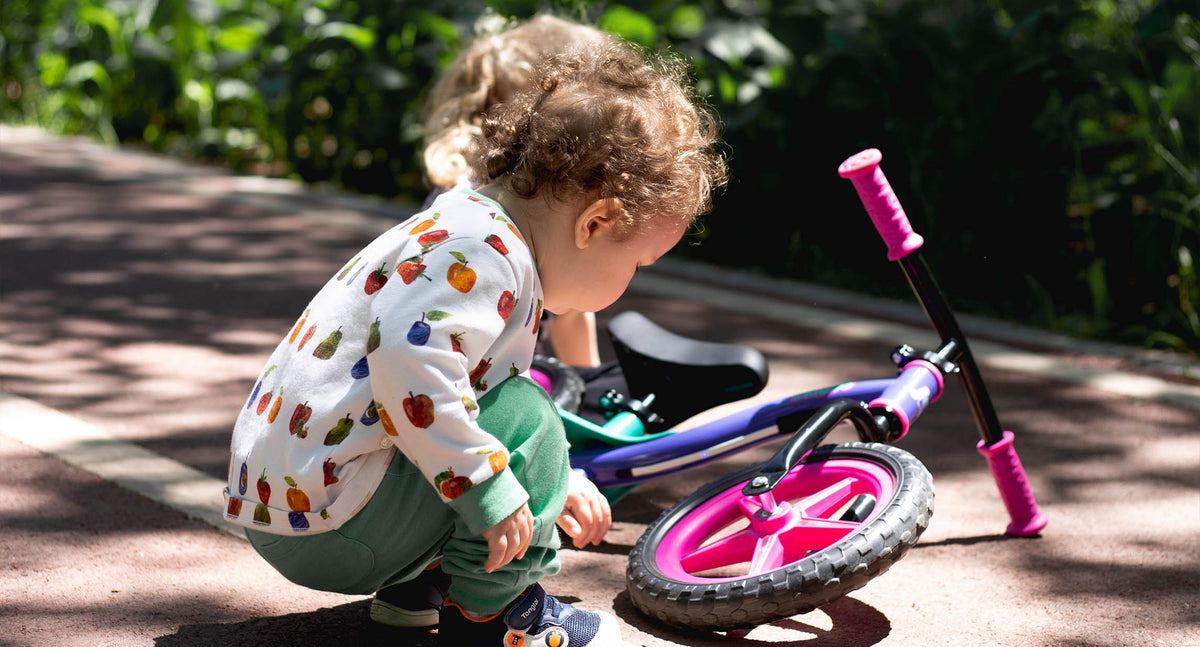
A toddler who falls while learning to ride doesn’t just learn how to balance. They learn that falling is part of practicing. A preschooler who builds a tower that keeps falling learns that changing their approach can lead to a better result.
These moments may seem small to adults, but they are important experiences for children.
The best challenges for kids are not about being the fastest or the strongest. They are about helping children discover their own abilities.
You might notice that after completing one small challenge, your child suddenly wants to try something harder. That’s because success creates curiosity. They start thinking, “What else can I do?”
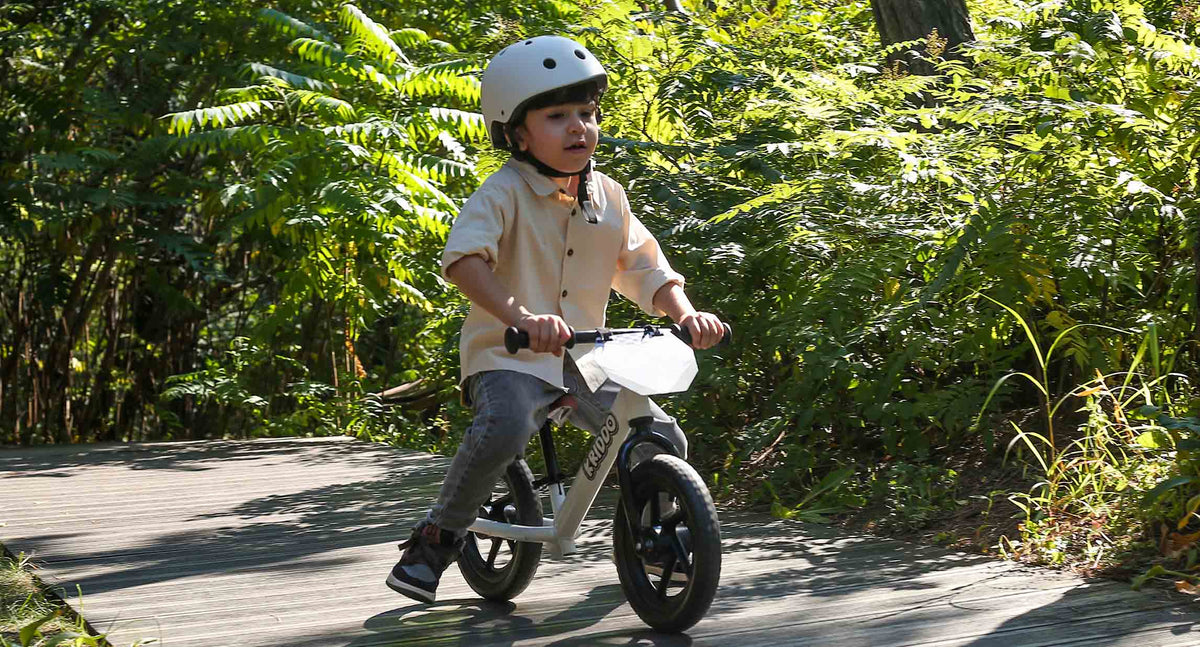
Learning to ride a bike: a challenge that grows with confidence
Learning to ride is one of those childhood experiences parents remember for years. Many parents can still picture the first time their child moved forward without help.
A bike challenge can turn that learning process into a fun daily adventure.
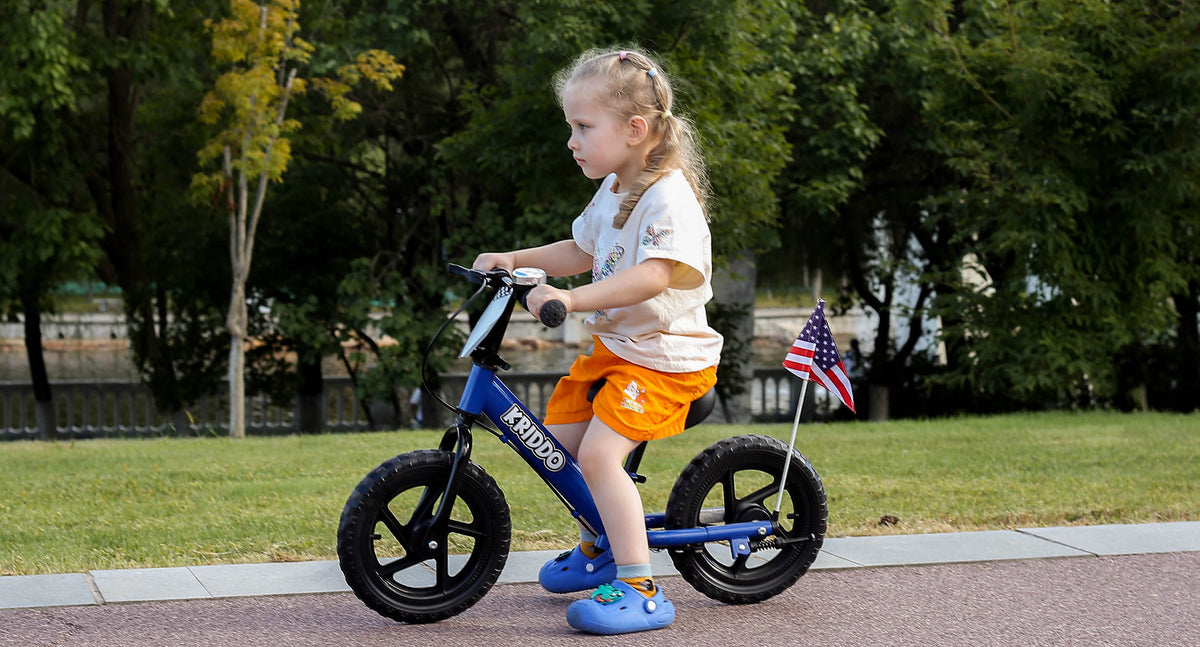
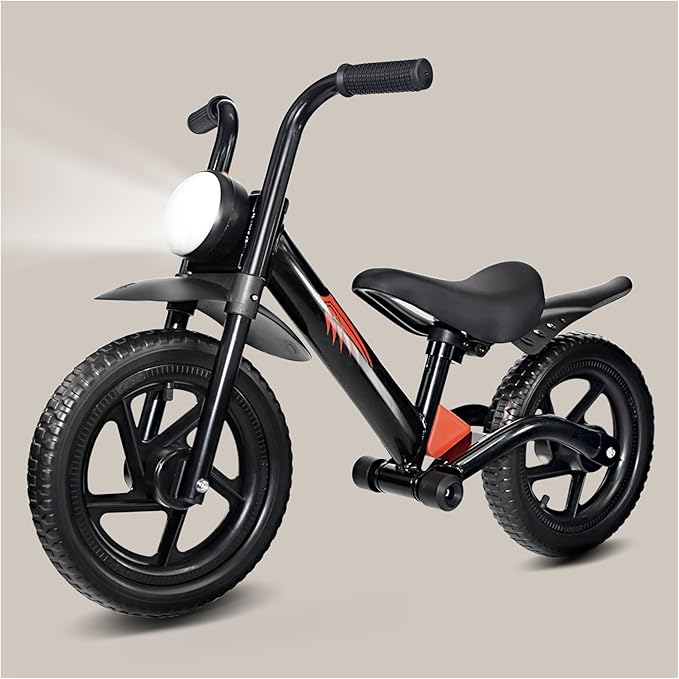
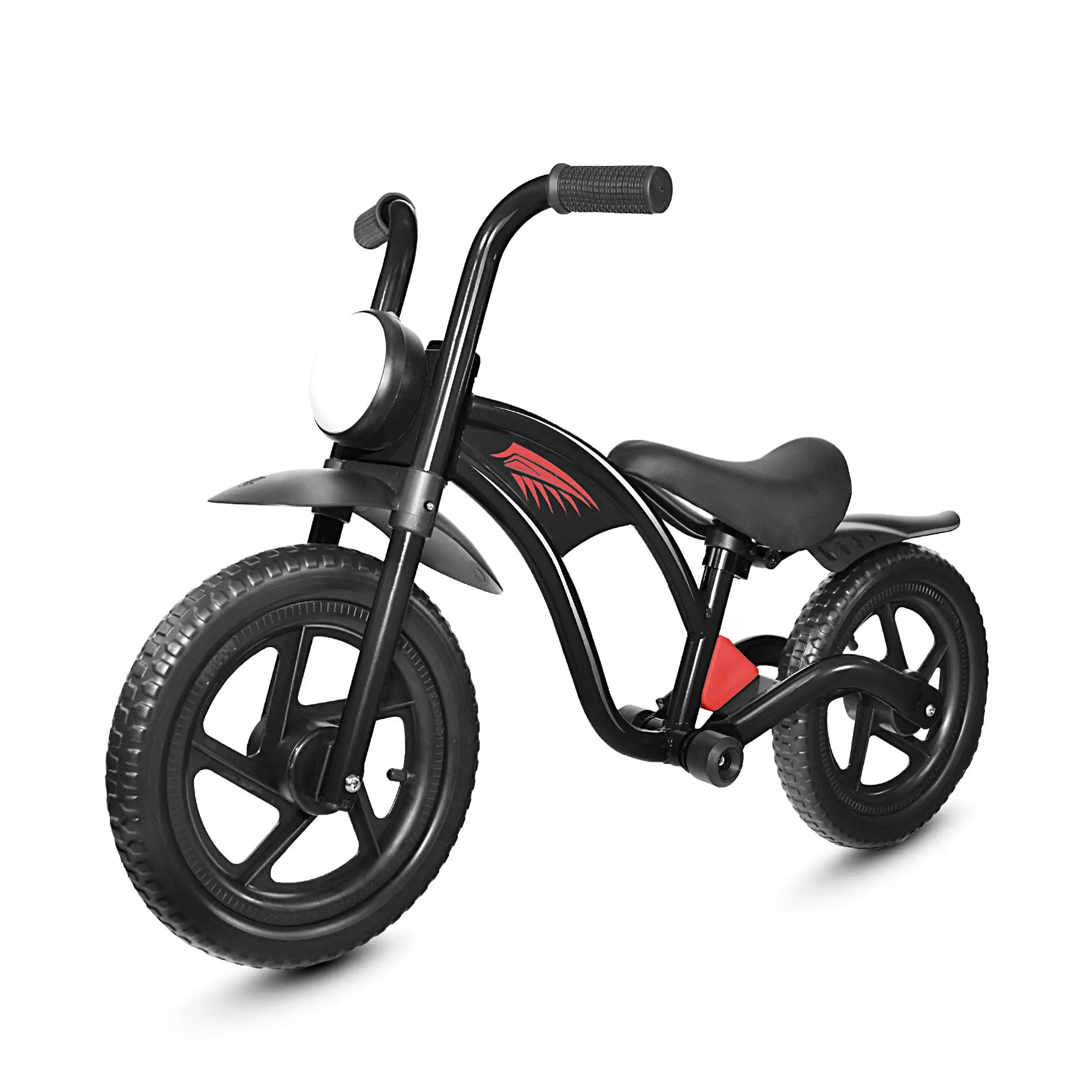
The first step is choosing a bike that feels comfortable and safe for your child. Since every child grows differently, understanding what features matter when choosing the right balance bike can help parents find a better fit for those first riding experiences.
The challenge does not need to be complicated. It can happen through small steps:
- Sitting comfortably on the bike
- Learning to push with their feet
- Practicing balance for a few seconds
- Learning how to turn and control direction
- Riding independently for longer distances
Some children balance quickly. Others need more time before they feel comfortable lifting their feet and trusting the bike.
That’s completely normal.
Understanding how toddlers learn to balance on a bike can help parents support their child without rushing them. The goal is not simply learning to ride. The bigger achievement is learning patience, coordination, and confidence.
Every small improvement matters. The first time they glide a few feet, the first successful turn, and the first ride without assistance all become little victories.
The cookie sliding challenge: a simple game full of laughter
Some of the most memorable childhood activities are the simplest ones.
The cookie sliding challenge is a perfect example. Kids love games with funny rules, and this one usually creates plenty of laughs.
To play:
Place a cookie on your child’s forehead. The goal is to move the cookie down to their mouth without using their hands.
It sounds easy, but it requires focus and control.
Children need to move carefully, adjust their facial expressions, and stay patient while trying not to let the cookie fall. Give them one minute to complete the challenge.
The best part is not whether they win. It’s watching them concentrate, laugh, and come up with their own strategies.
Of course, always choose snacks that are appropriate for your child’s age and supervise younger children during food-based activities.
Catching a coin with an elbow
This challenge looks simple, but it tests coordination and timing.
Have your child place the back of their hand on the same-side shoulder, with their elbow pointing outward. Put a coin on their arm just above the elbow.
The goal is to quickly move the elbow toward the body, make the coin jump into the air, and flip the hand to catch it.
The first attempt usually ends with the coin falling.
That’s part of the fun.
Children can start with one coin and increase the difficulty by trying multiple coins. This activity encourages:
- Hand-eye coordination
- Focus
- Body control
- Quick reactions
It’s a great reminder that many valuable learning experiences can come from ordinary objects around the house.
Build a paper bridge that holds 100 coins

For children who enjoy building, this challenge can feel like a real engineering project.
The goal is simple: create a bridge using paper and paper clips that can support the weight of 100 coins.
At first, many kids try placing a flat piece of paper between two objects. When it bends or falls, they begin experimenting.
Maybe folding the paper helps.
Maybe changing the shape makes it stronger.
Maybe adding support creates a better design.
This is where creativity begins.
Children often discover solutions adults wouldn’t expect. They may create folded structures, unusual shapes, or completely original designs.
The challenge teaches an important lesson: when something doesn’t work, it doesn’t mean you failed. It means you learned something new.
Cup pyramid speed challenge
Cup stacking is another simple activity that children often enjoy.
Give your child 28 cups and ask them to build a pyramid as quickly as possible. Once the pyramid is finished, they must take it apart and return the cups to their original position.
This challenge requires more than speed.
Children need to think about:
- How many cups belong on each level
- How to keep the structure balanced
- How to organize their movements
Some kids rush and knock everything over. Others slow down and finish faster because they plan first.
That small difference helps children understand the value of patience and strategy.
One-minute color sorting challenge
For younger children, sorting games are a wonderful way to combine learning and play.
A color sorting challenge can use toys, blocks, buttons, or other safe household items. If appropriate for your child’s age, colorful candies can also make the activity exciting.
The goal is simple:
How many items can your child sort by color in one minute?
This activity supports:
- Color recognition
- Fine motor skills
- Concentration
- Decision-making
You can make it a family game by taking turns or creating a friendly race.
Children often don’t realize they are learning because they are too busy having fun.
How to choose the right challenges for your child

Not every challenge needs to be difficult. In fact, the best activities are often simple enough that children can experience success while still needing some effort.
When choosing challenges for kids, consider:
- Is it safe for their age?
- Can they complete part of it independently?
- Does it encourage curiosity?
- Will they want to try again?
If your child becomes frustrated, that doesn’t mean the challenge failed. It may simply need a small adjustment.
Make the goal smaller. Offer encouragement. Try it together.
The purpose is not to create pressure. The purpose is to help children experience the feeling of overcoming something.
Those little moments—catching the coin, building the bridge, riding a little farther—are how confidence grows.