








What Is the Role of a Father?
A Real-Life Look at How Dads Shape Their Children
Molly | 27th, Nov
If you’ve ever wondered what is the role of a father, the honest answer is both simple and layered. A father (or a father-figure) brings something unique into a child’s life—something that doesn’t replace the mother’s contributions, yet stands shoulder-to-shoulder in importance. And while culture sometimes paints fatherhood as a fixed blueprint, the truth is that each family discovers its rhythm in its own way.
You know what? Even men who feel totally unprepared often grow into fatherhood one small moment at a time. And yes—no one really knows what it will feel like until it happens.
Still, research gives us a useful lens. The American Academy of Pediatrics notes that fathers play a vital role in child development, supporting emotional security, cognitive growth, and family stability.
But beyond the research jargon, fatherhood is human. Messy. Rewarding. Sometimes confusing. And absolutely powerful.
When We Talk About Fathers, We’re Also Talking About Relationships

Here’s the thing: a father isn’t just important to the child; he’s also important to the partner. Kids watch how parents communicate, disagree, fix problems, laugh together, or even struggle to understand each other. That becomes their blueprint—sometimes consciously, sometimes quietly—for future relationships.
It doesn’t mean parents must be perfect (no family is). But when children see teamwork through tough moments, they learn resilience by example. And that matters more than polished parenting.
Attachment: Yes, Father-Child Bonds Can Be Just as Strong
Some people still assume babies attach mainly to mothers, but that’s outdated. A father’s presence creates a deep, steady kind of comfort for a baby—from the way a newborn settles into their chest to the way a toddler lights up when dad walks into the room.
When both parents are involved early on, babies form dual attachments. It becomes a foundational security net that supports emotional and neurological development.
Fathers Influence Health Outcomes More Than Most People Realize
It’s surprising, but data shows that when fathers are engaged, babies often experience:
- better weight gain (especially preemies),
- higher breastfeeding rates,
- less stress within the family system.
These outcomes aren’t about fathers taking over; they’re about fathers being present. A few minutes of skin-to-skin contact or bottle-feeding in the middle of the night doesn’t just help the baby—it helps the partner breathe a little easier too.
The Power of the “Authority-with-Love” Parenting Style

Many fathers naturally lean toward what psychologists call an authoritative style—warm, structured, clear-headed.
Not controlling.
Not permissive.
Just… steady.
Kids raised with this blend of warmth and boundaries tend to show:
- better emotional regulation,
- stronger academic growth,
- healthier social habits,
- fewer behavior challenges
It’s like having a coach who cares deeply but still expects your best—only the sport is life.
Encouraging Movement: Why Fathers Often Champion Physical Play
Let’s be real: dads often bring a physicality to playtime that sparks joy and confidence in kids. Rolling on the floor, impromptu races, or those wild playground chases—it all builds agility, coordination, and self-esteem.
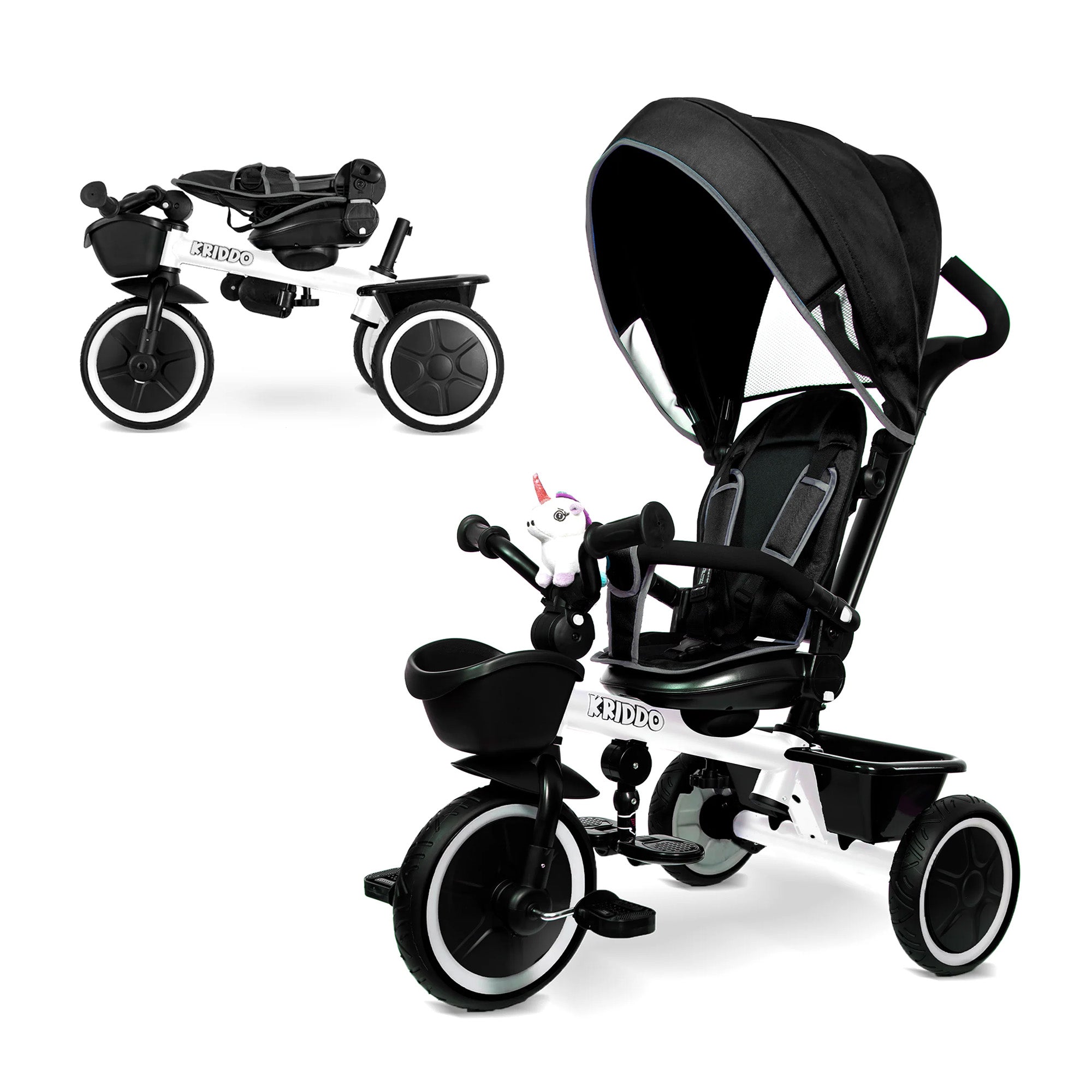
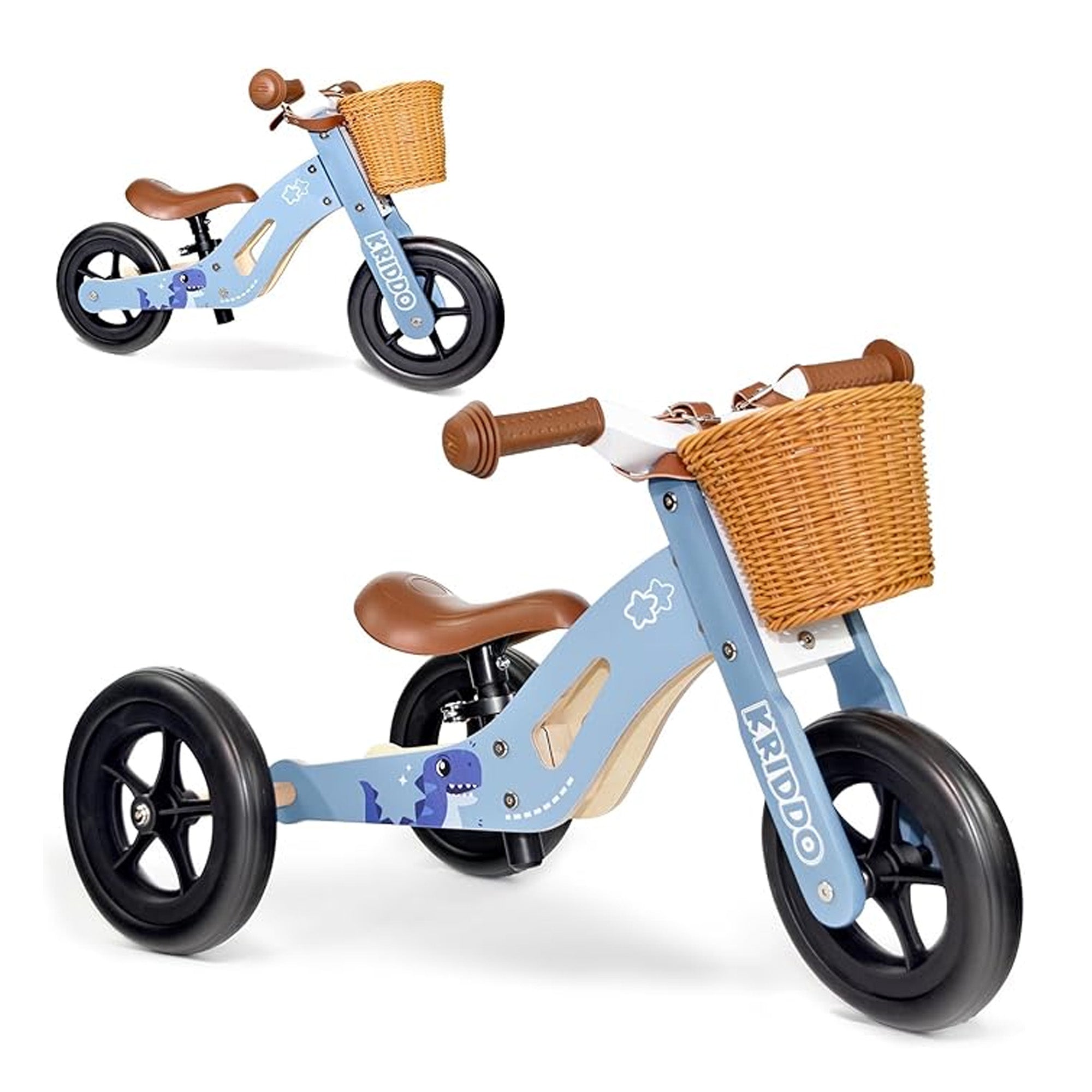
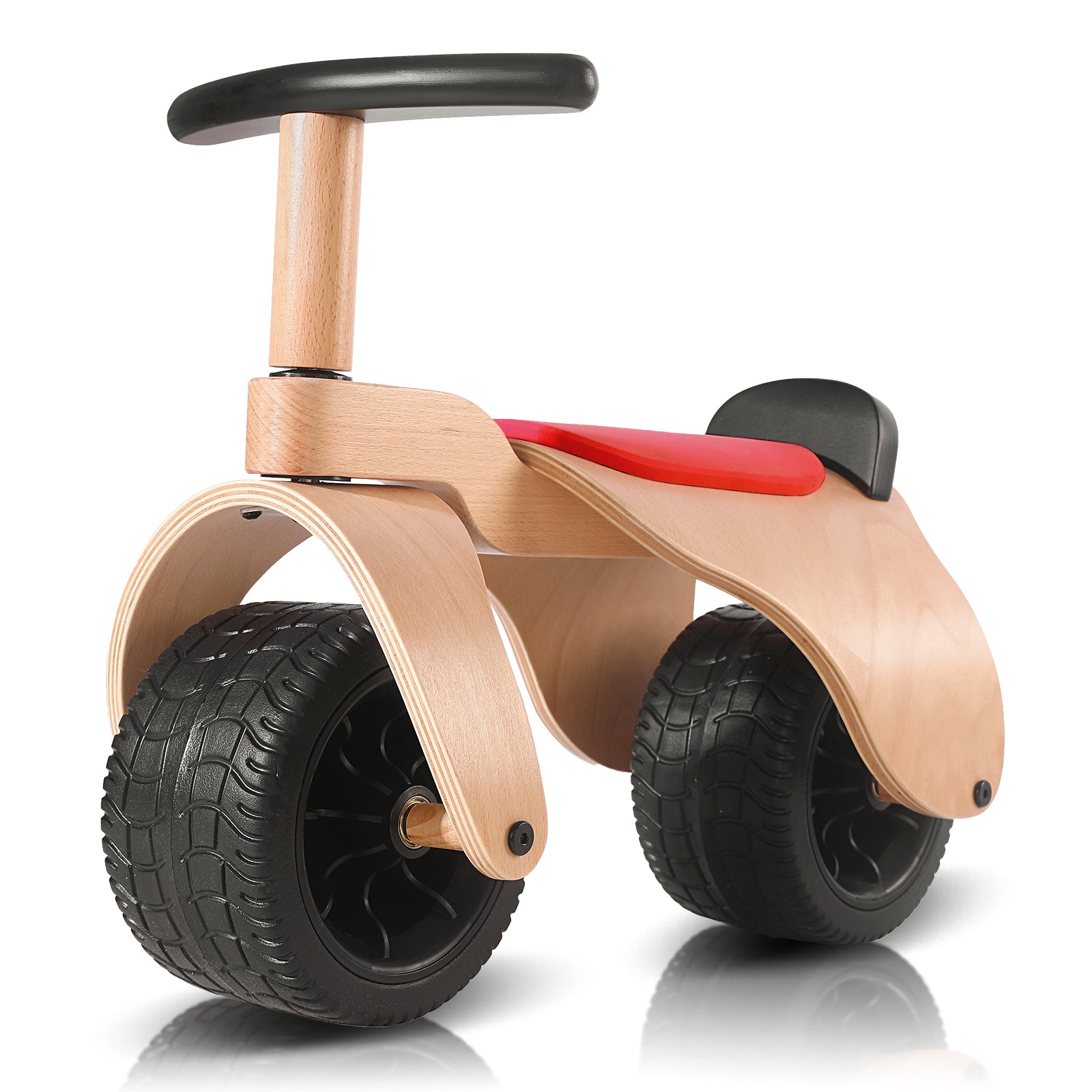
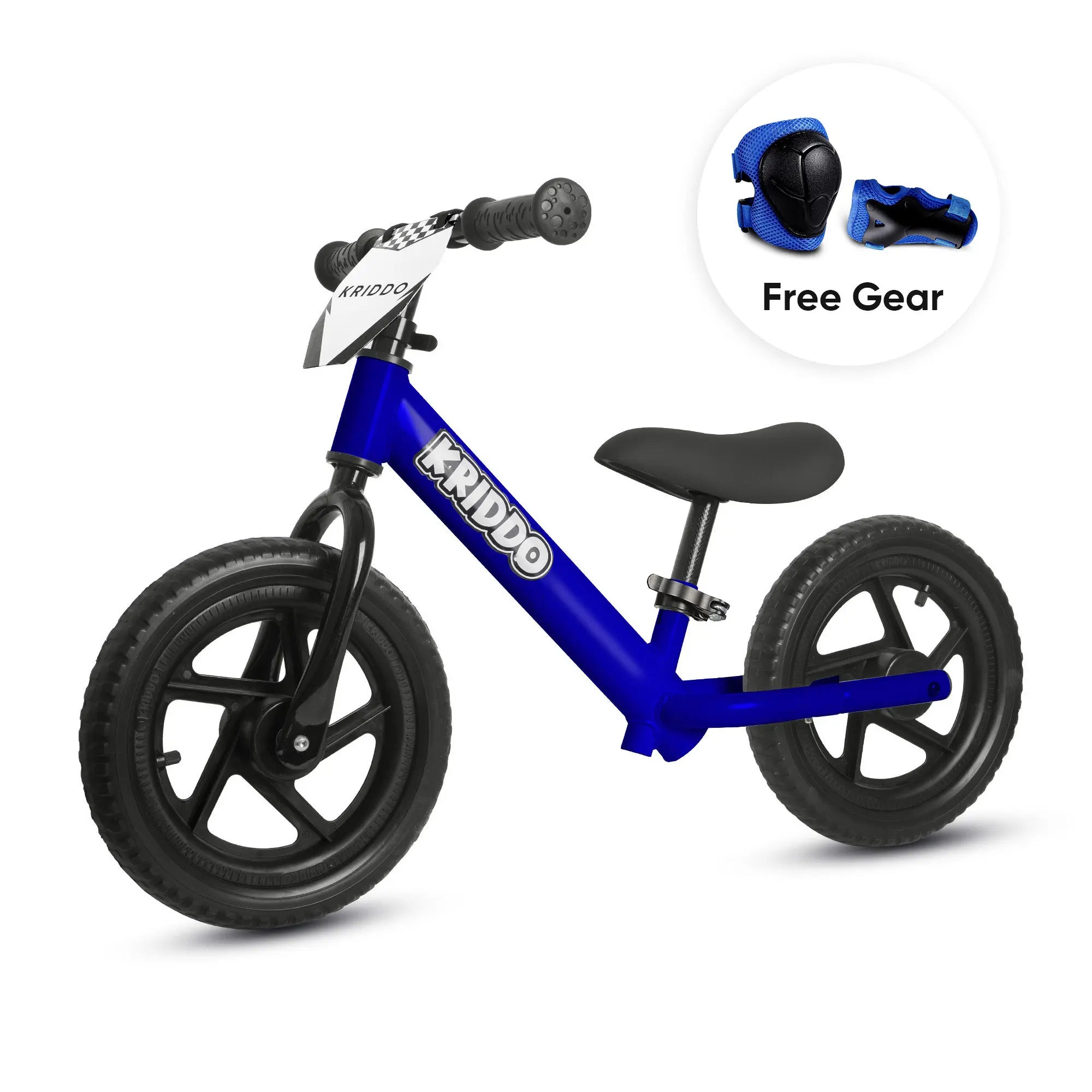
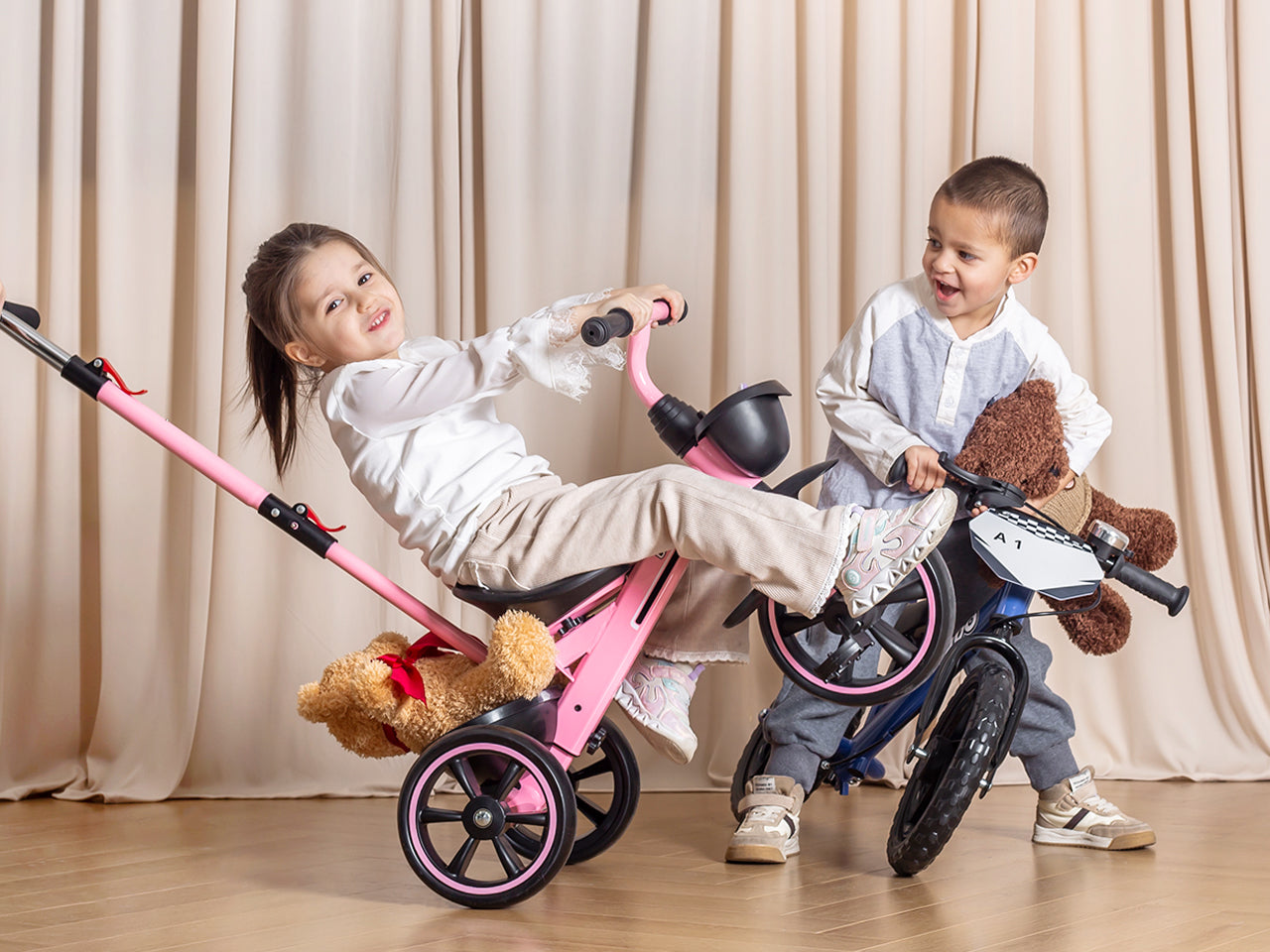
And when it comes to structured physical activity, fathers can be incredibly influential. Something as simple as going out for a ride together can make fitness feel like fun rather than a chore.
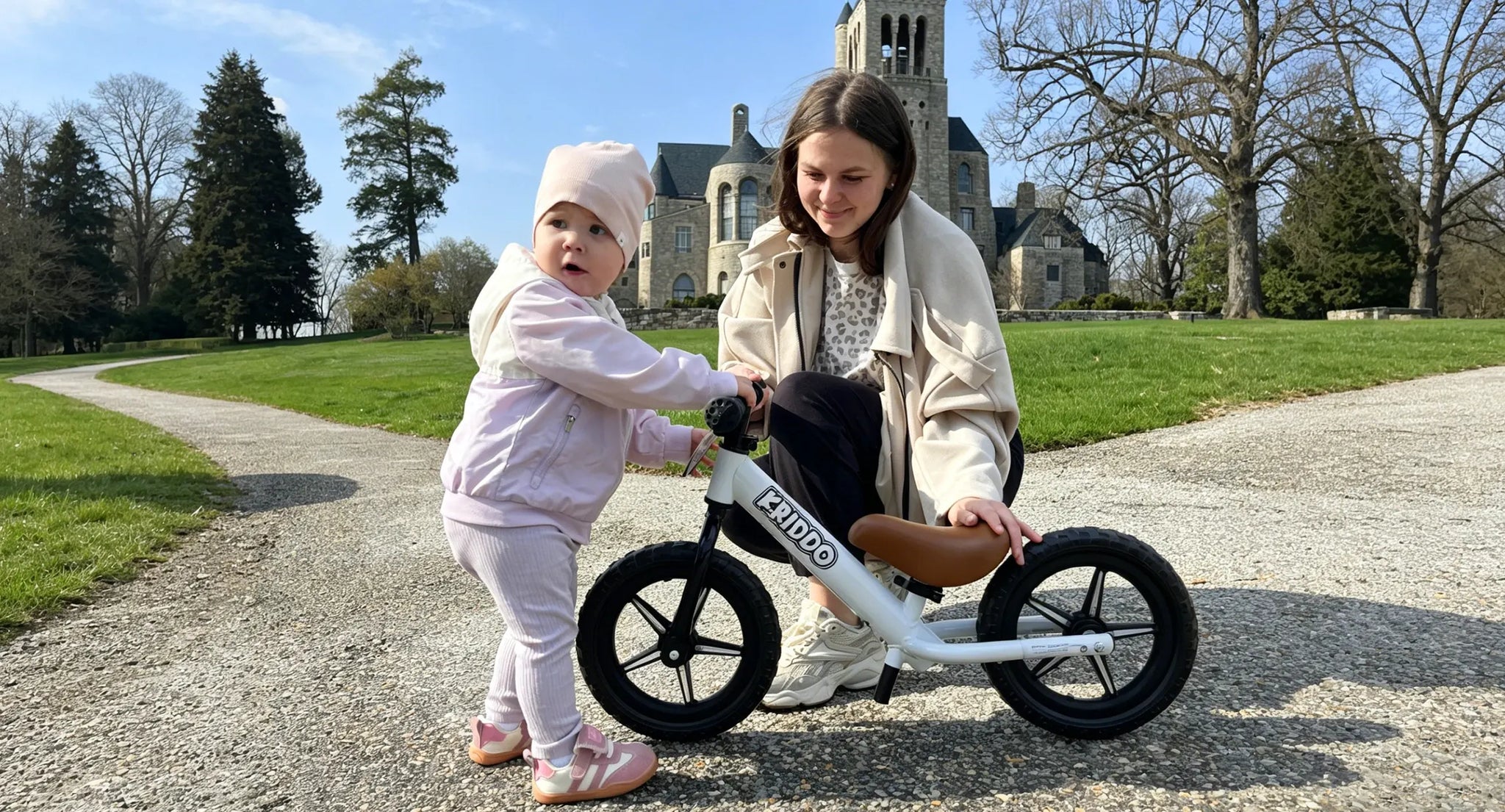
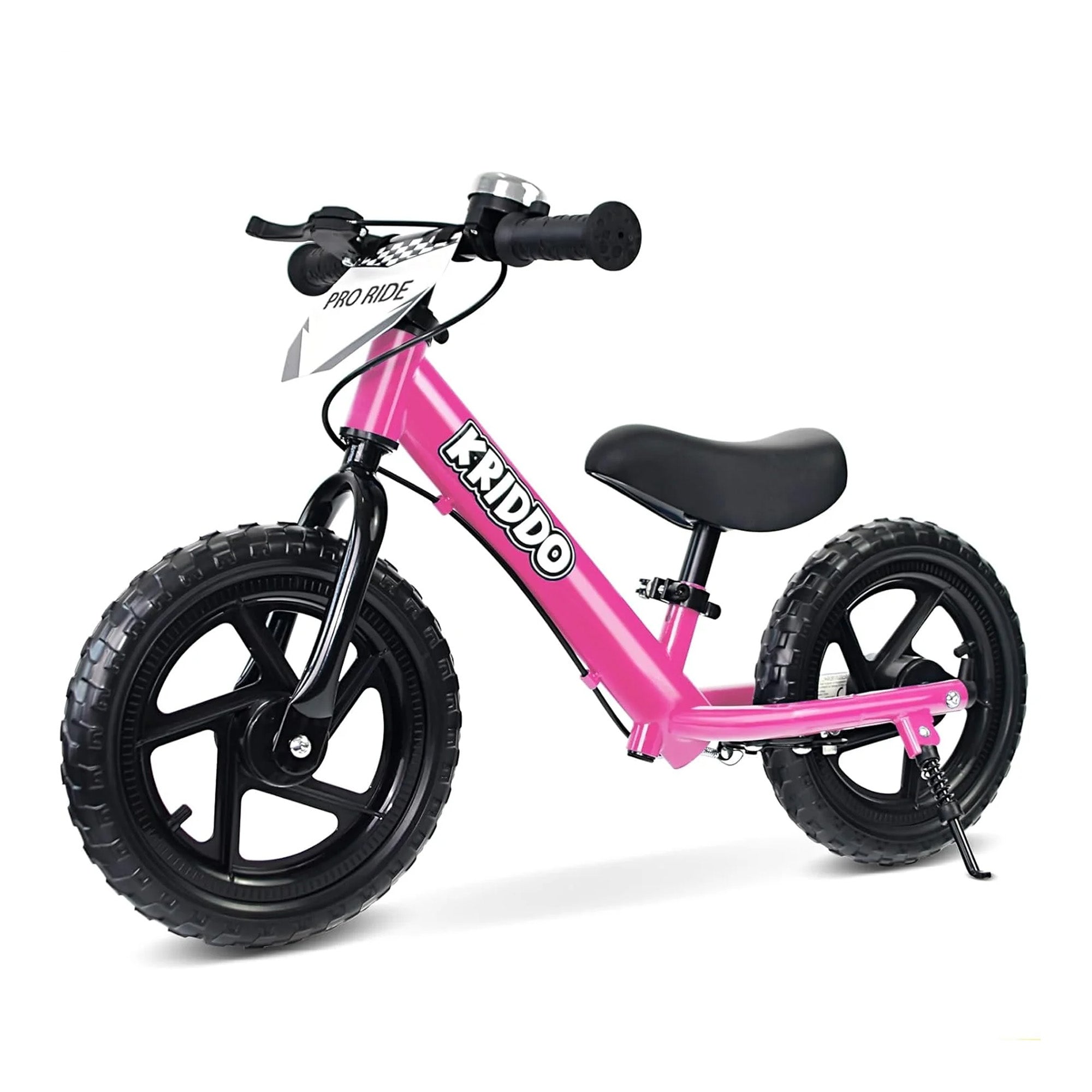
For example, biking with children not only helps them stay active but also strengthens the bond. A short ride around the neighborhood becomes a mini-adventure. Kids remember those moments for years.
Modeling a Healthy Lifestyle Without Making It Complicated
Fatherhood isn’t about forcing workouts or counting nutrients. It’s about making movement feel natural—like playing tag at the park or taking a long walk to talk about the day.
When kids see their father enjoy outdoor activities, they’re more likely to grow up valuing:
- strong bodies,
- steady minds,
- time spent outside instead of glued to screens.
These patterns often follow them well into adulthood. It’s subtle, but powerful.
Outdoor Activities: More Than Just Exercise

Sports and outdoor play offer something deeper than fitness. They give kids:
- teamwork experience,
- social confidence,
- emotional release,
- joy that builds memories.
Think of the friendships sparked on the playground, the tiny triumphs during a soccer drill, or the shared laugh when a parent falls off a balance beam at the park (don’t worry—we’ve all been there).
Fathers who engage in these activities help kids feel seen, supported, and connected.
So… What Makes a Father “Good”?
Interestingly, it isn’t perfection. It isn’t knowing the right thing to say. It isn’t even endless patience (though that doesn’t hurt).
Research shows that what matters most is engagement—being there wholeheartedly.
Some practical guidance many fathers find helpful:
- If you’re an expectant dad, show up for prenatal visits or classes. It builds confidence and connection.
- New fathers sometimes feel excluded or insecure. That feeling is more common than people admit. Talking to your partner—or another parent—can help shake off the isolation.
- Separated fathers face unique challenges. Staying consistent, even with distance, gives children incredible emotional security.
- Long-distance fathers can make a huge impact by remembering birthdays, school events, and personal milestones.
- Single fathers shouldn’t hesitate to accept support. Parenting solo doesn’t mean parenting alone.
- Stepfathers aren’t “replacements”—they’re additions. With patience and empathy, they can offer stability that transforms a child’s life.
In the end, fatherhood isn’t defined by biology or perfection. It’s defined by presence.
A Father’s Role Is Both Big and Beautifully Ordinary

When you picture fatherhood, you might imagine grand gestures. But honestly, what kids remember are the tiny things:
- the calm voice during a stormy tantrum,
- the shared bowl of cereal early in the morning,
- the first push on a bike,
- the silly songs before bed,
- the steady reassurance even in hard times.
These seemingly ordinary moments add up to something extraordinary.
And that’s the heart of answering what is the role of a father—it’s showing up, caring deeply, and building a relationship that keeps growing, even as life changes.