




Push Trike, Balance Bike, or Scooter?
Picking the Right Wheels
Charles | 23th, Mar
There’s something quietly magical about watching a toddler discover movement on wheels. It starts with a hesitant push, maybe a wobble, then suddenly—confidence. Speed. Laughter. And just like that, you’re no longer choosing a toy. You’re choosing a milestone.
So what’s the better gift: a push trike, a balance bike, or a scooter?
Honestly, it’s not a one-size-fits-all answer. It depends on your child’s age, coordination, personality, and—let’s be real—how patient they are with learning something new. Let’s break it down in a way that actually helps you decide.
First Things First: Is Your Child Ready?

Before comparing wheels, pause for a second. Readiness matters more than the product itself.
A toddler who can walk steadily, stand without support, and show curiosity about movement is usually ready to explore ride-on toys. But here’s the thing—development isn’t linear. Some kids are cautious observers. Others are born sprinters.
Ask yourself:
- Can they balance while standing?
- Do they enjoy pushing or pulling toys?
- Are they excited by motion—or a little hesitant?
These small cues tell you more than any age label ever could.
The Scooter Phase: Fast Fun with a Dash of Confidence
Scooters are often the first “I’ve got this” moment for energetic toddlers.
A well-designed baby scooter usually comes with three wheels, offering extra stability during those early attempts. Kids stand upright, kick forward, and quickly get a sense of motion. It’s intuitive—almost instinctive.
Why scooters work so well:
- Encourages balance and coordination early on
- Builds leg strength through kicking motion
- Offers quick gratification—kids feel movement almost instantly
- Great for active, high-energy personalities
Featured Product:
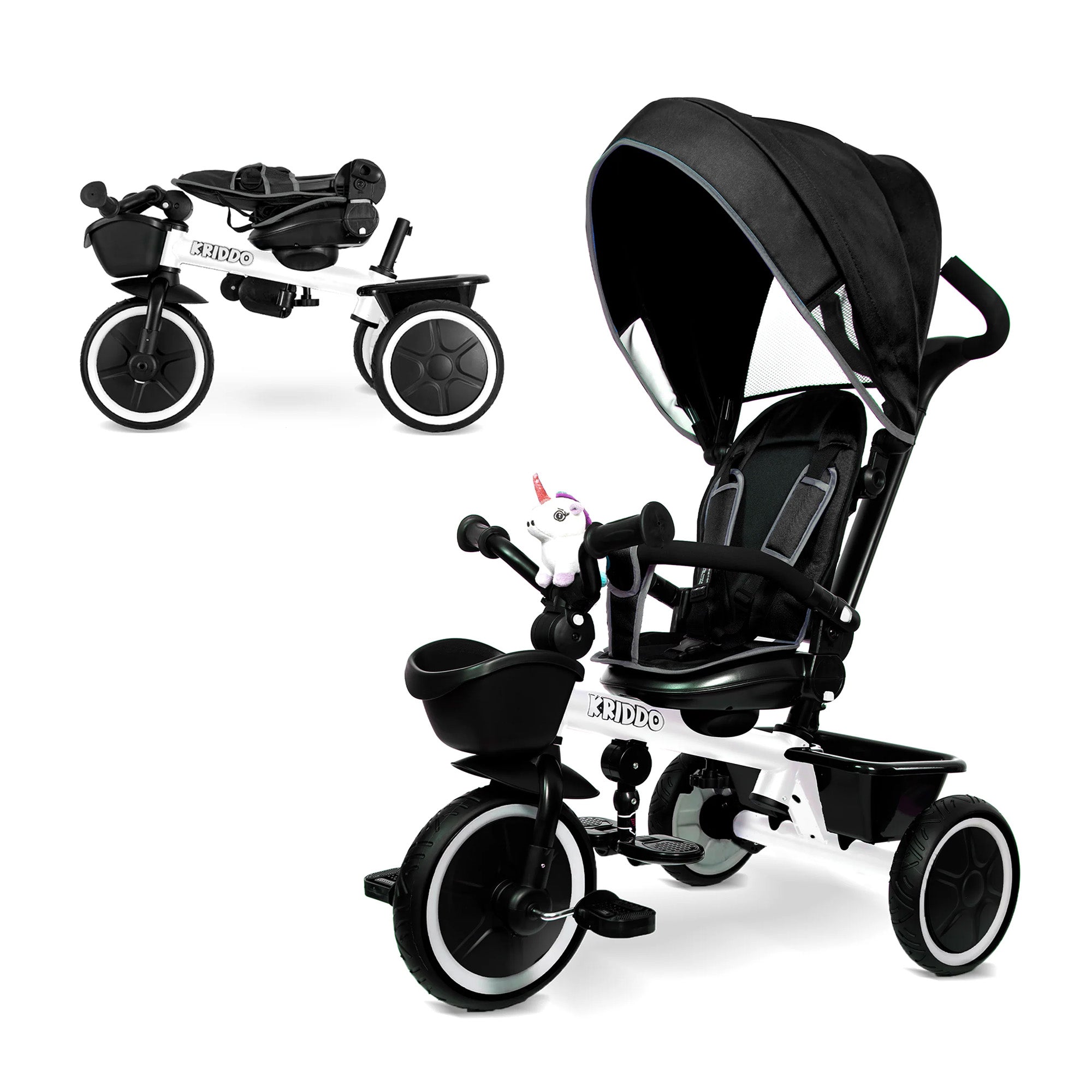
The Push Tricycle: A Parent’s Helping Hand (Literally)
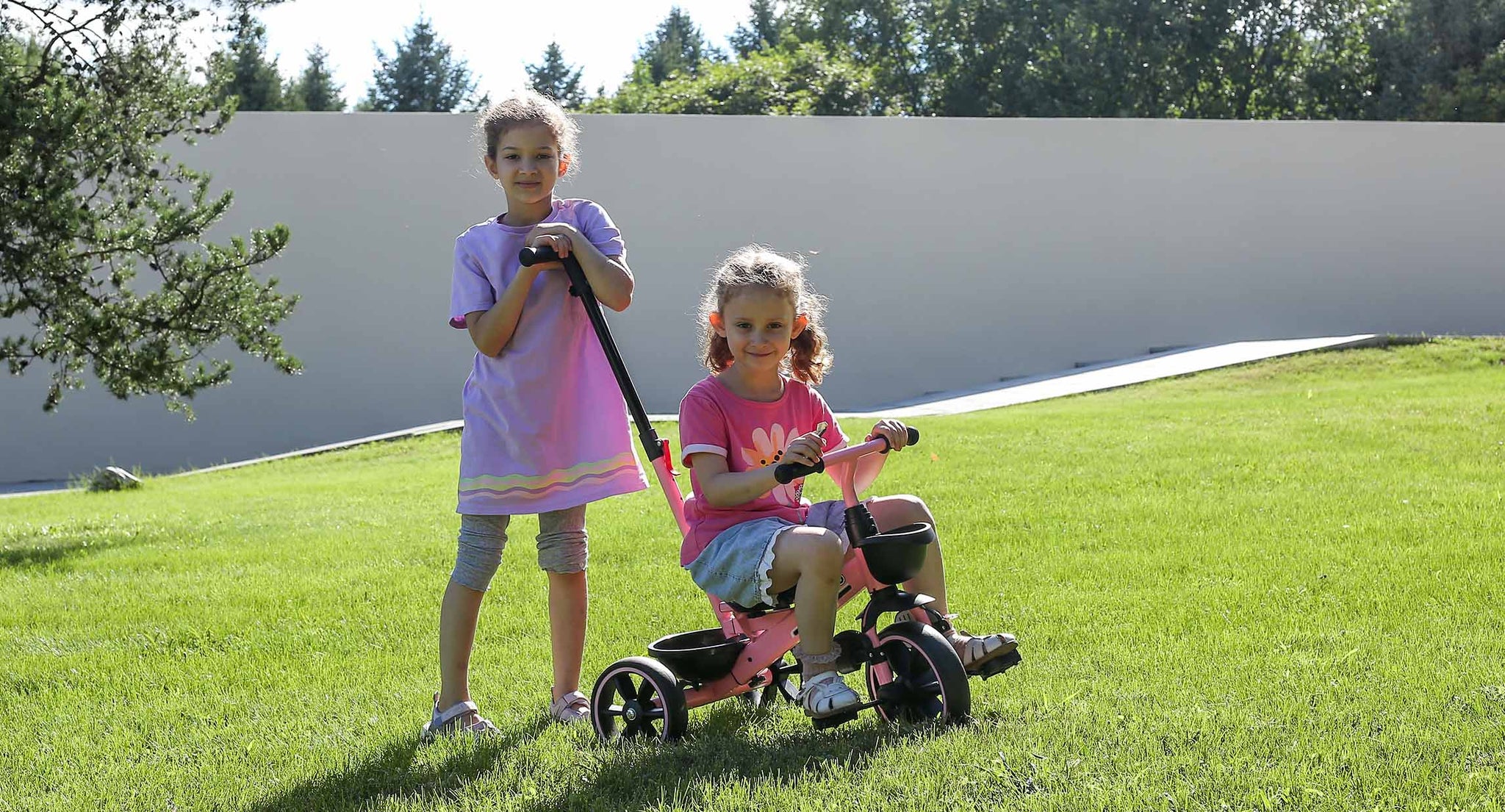
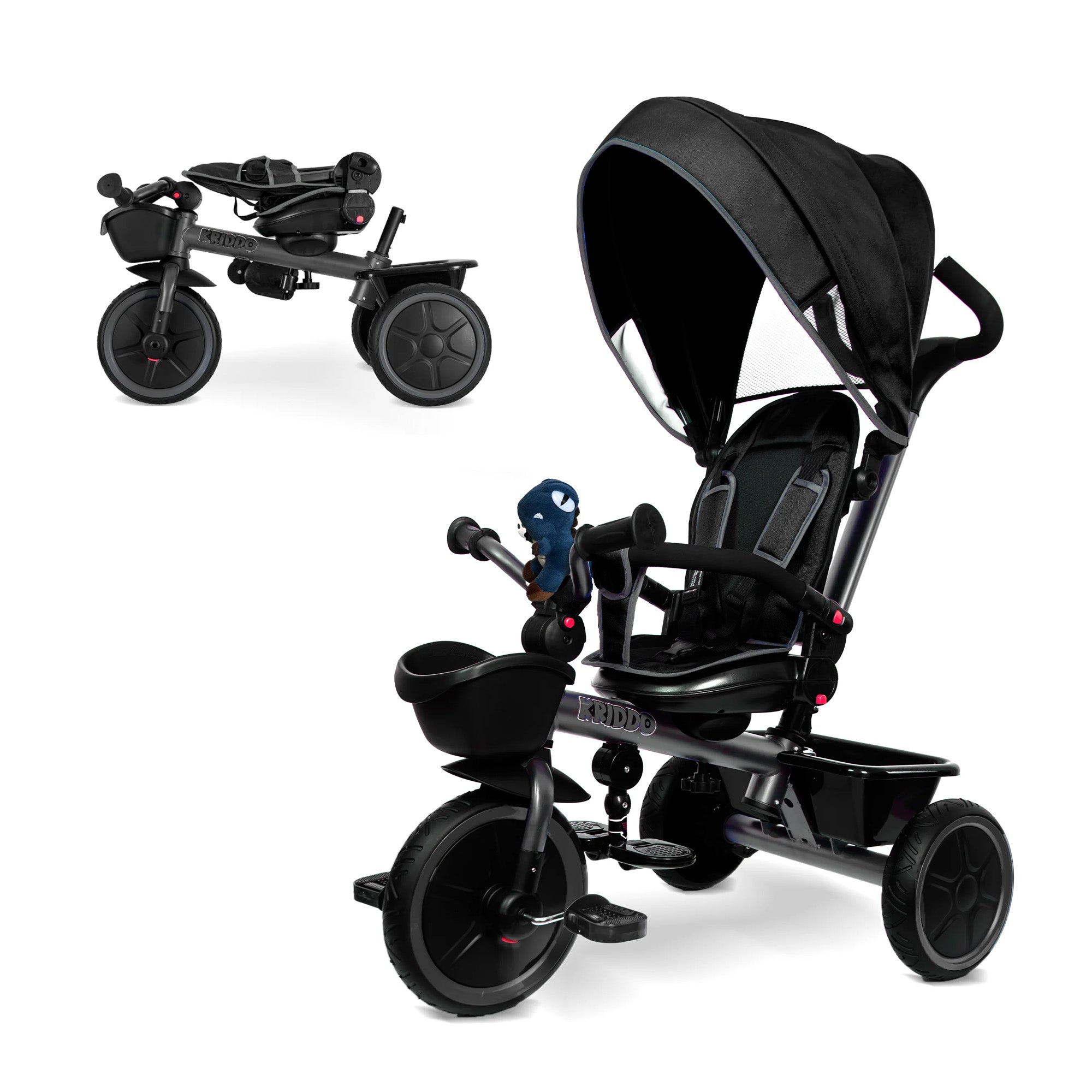
Now, if you’re dealing with a younger toddler—or even a baby just starting to sit upright—a push trike is hard to beat.
Think of it as a hybrid between a stroller and a tricycle. You’re in control at first, guiding the ride while your child gets used to the sensation of movement.
Take the KRIDDO stroll series, it’s designed to grow with your child, which is honestly one of its biggest strengths.
Here’s why parents lean toward this option:
- Parent-controlled steering for safety and ease
- Smooth transition from passive riding to independent pedaling
- Excellent stability—less chance of tipping
- Often includes storage (snacks, toys… you know how it goes)
Featured Product:
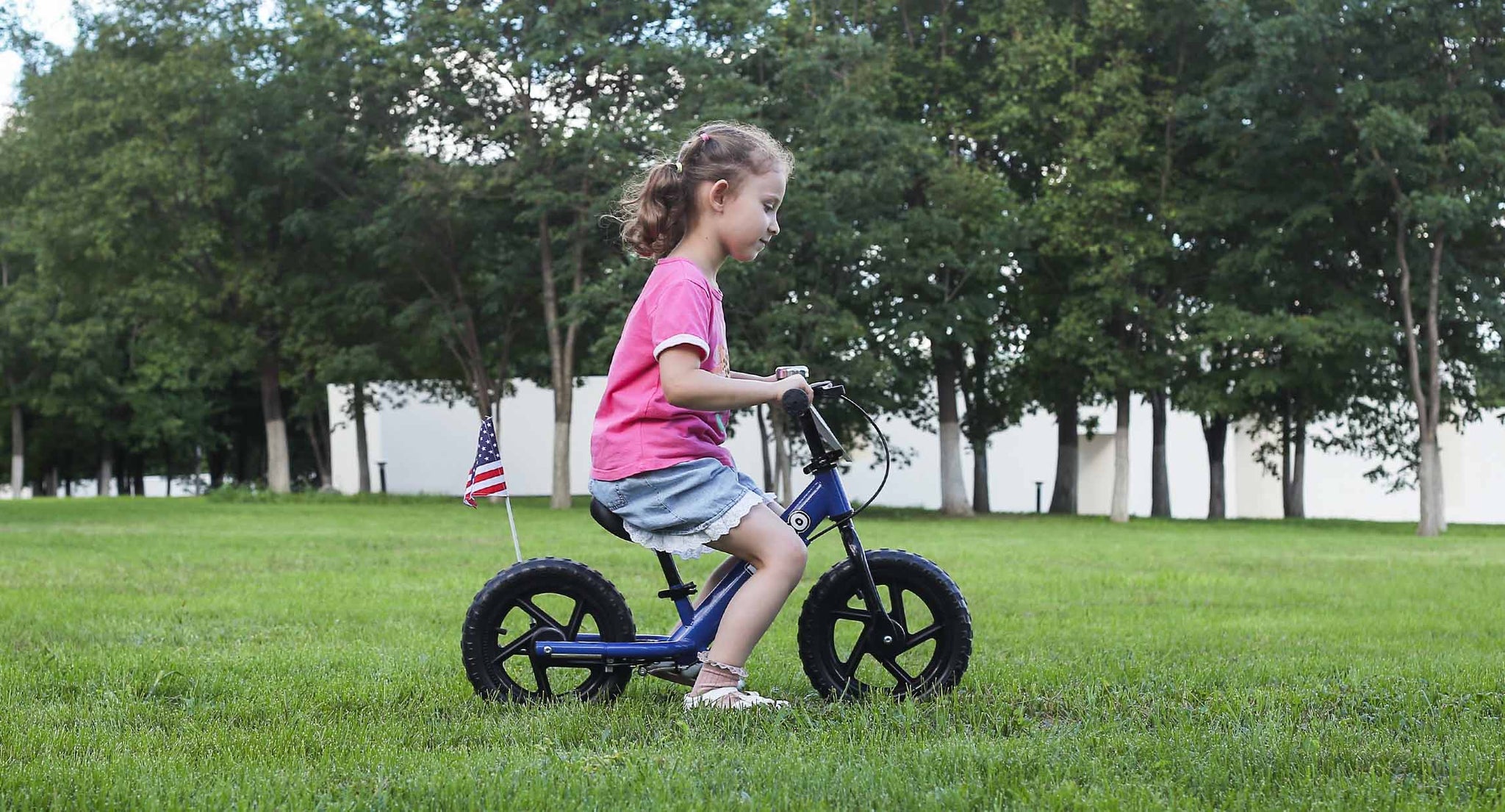
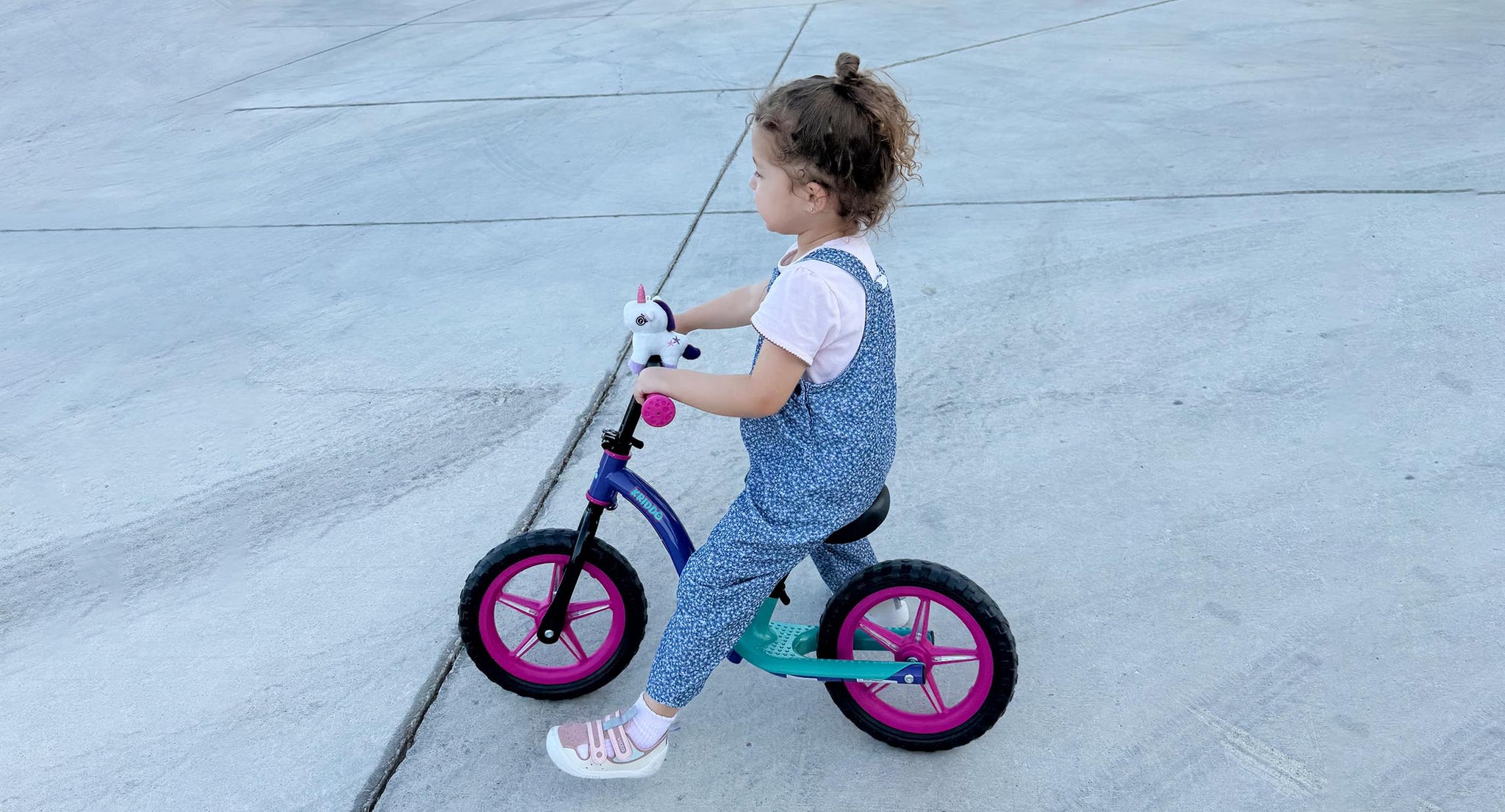
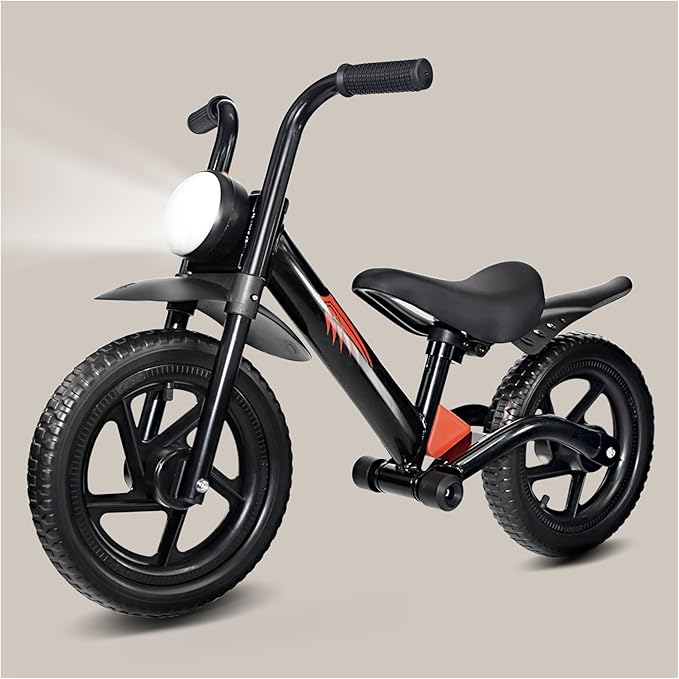
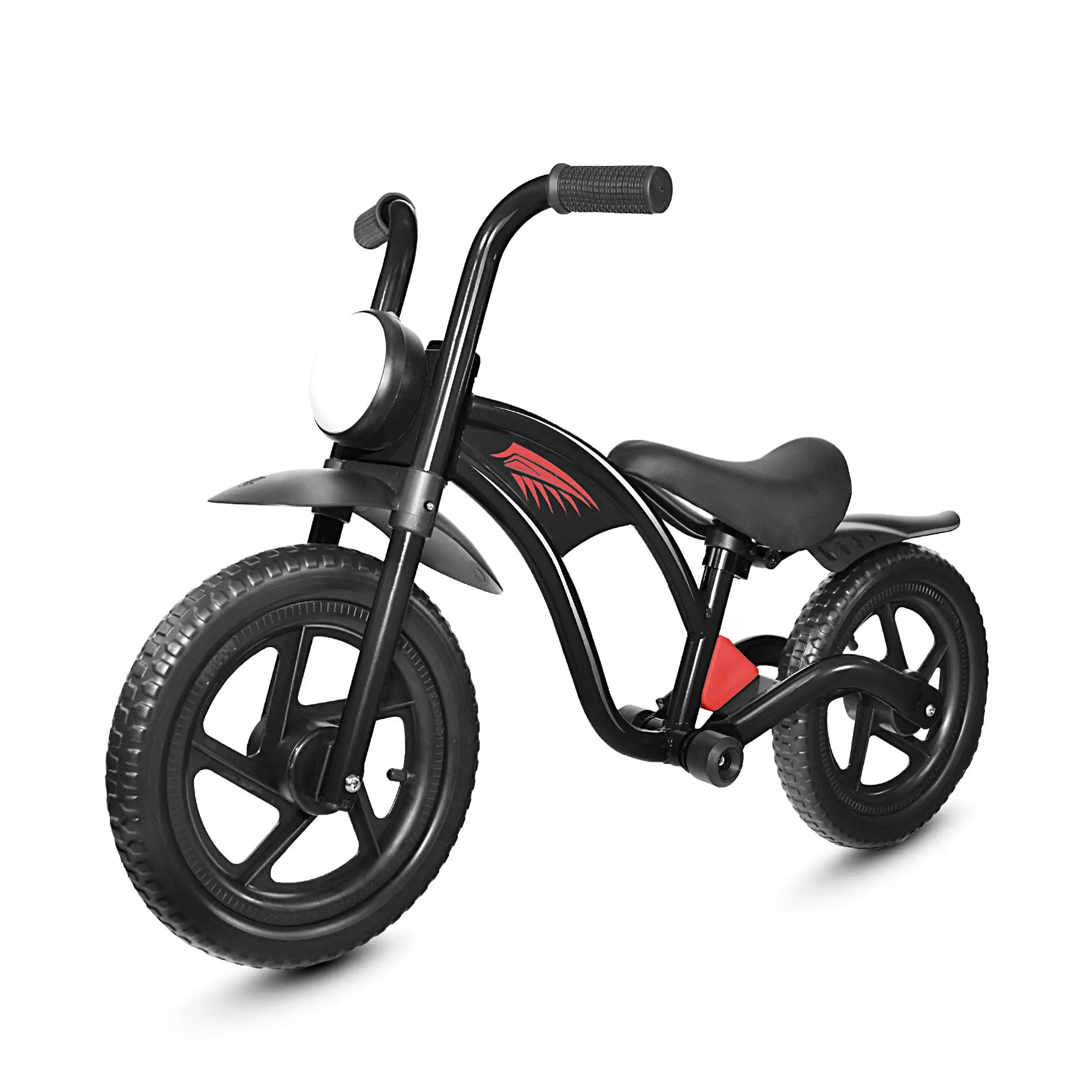
Balance Bikes: Where Real Riding Begins
Balance bikes sit in a unique category. They don’t have pedals. At first, that sounds counterintuitive—but it’s actually brilliant.
Kids use their feet to push off the ground, gradually learning how to balance before ever worrying about pedaling. It’s a more natural progression toward riding a real bike.
What makes balance bikes stand out:
- Teaches balance first—arguably the hardest skill
- Builds coordination and spatial awareness
- Helps kids transition smoothly to pedal bikes later
- Lightweight frames make them easier to control
Personality Matters More Than You Think
Here’s where things get interesting.
Two kids, same age, same environment—completely different reactions to the same toy.
A cautious child might prefer a balance bike. Sitting low to the ground feels safer. They can stop instantly with their feet. There’s less pressure.
Meanwhile, a bold, energetic toddler? They’ll likely gravitate toward a scooter. It’s faster. More dynamic. More… fun, in that immediate, thrilling way.
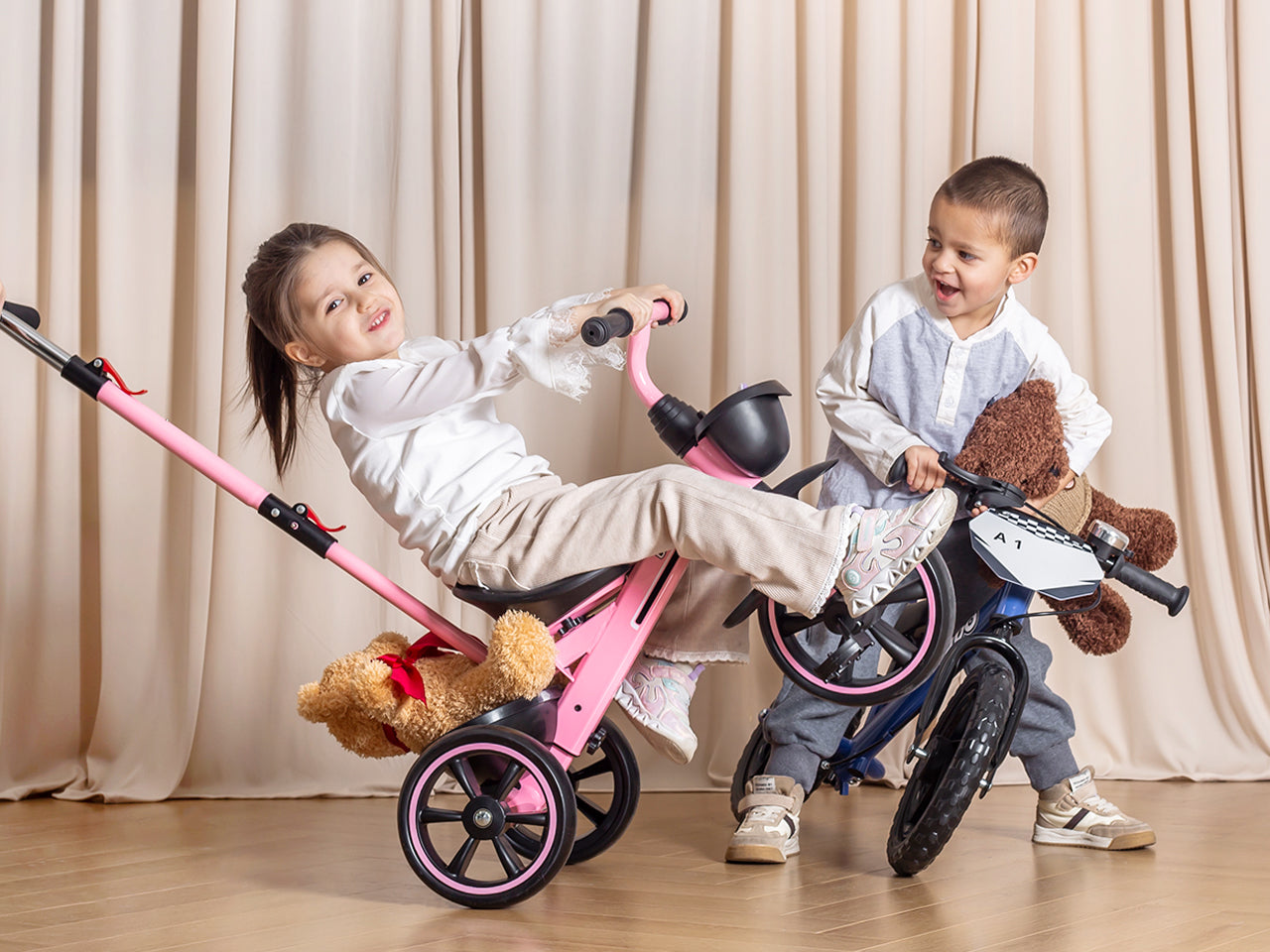
And then there are kids who just want to ride with you. That’s where a push trike shines. It’s not just about movement—it’s about shared experience.
Let’s Talk Longevity (Because Kids Grow Fast)

You don’t want something your child outgrows in three months.
Here’s a quick reality check:
- Push trikes often last the longest due to adjustable modes
- Balance bikes typically cover ages 2–5 effectively
- Scooters can stretch from toddler years into early childhood
Some hybrid models blur the lines—like KRIDDO GoFar Series —but for early development, sticking to stage-specific tools usually works better.
So… Which One Is Actually “Best”?
Let me be direct: there is no universal “best.” Only the best fit.
But if you want a simplified framework:
- Under 2 years old → Push tricycle
- 2–3 years old, cautious → Balance bike
- 2–5 years old, energetic → Scooter
- Long-term value → Push trike with multiple modes
Still unsure? Think about how your child approaches new things. That instinct will guide you better than any product spec sheet.
A Quick Word on Safety (Because It Matters)
No matter what you choose, safety isn’t optional.
Make sure:
- Helmets are worn consistently
- Riding happens on smooth, controlled surfaces
- Adult supervision is always nearby
Even the most stable ride can turn unpredictable—kids are, after all, wonderfully unpredictable.
Wrapping It Up: It’s More Than Just a Toy

At first glance, it’s just wheels and a frame. But give it a week, maybe two, and it becomes something else entirely.
Confidence. Independence. That tiny spark of “I did it myself.”
Whether you go with a scooter, a push trike, or a balance bike, you’re not just giving a gift—you’re opening the door to movement, exploration, and growth.
And honestly? That’s what makes these some of the best easter gifts for kids.