




How to Help Baby Walk:
7 Simple Ways to Support Those First Steps
Claire | 17th, Aug
There’s a moment many parents quietly wait for: your baby pulls up on the couch, steadies those little legs, and suddenly looks ready to go somewhere. Then comes the wobble, the quick sit-down, and usually a return to whatever toy was more interesting.
If you’re wondering how to help baby walk, you’re probably also wondering whether you should hold their hands, encourage them with toys, or buy something designed to get them moving.
Honestly, there isn’t one trick that teaches a baby to walk. Walking develops through a series of smaller skills, including standing, balancing, cruising, reaching, and learning how to shift their weight. The most useful thing parents can do is give babies safe opportunities to practice those skills during everyday play.
And those wobbly little attempts absolutely count.
When Do Babies Start Walking?

Before babies take their first independent steps, they usually move through several stages. Every child develops at their own pace, so these age ranges are general milestones rather than deadlines.
Many babies start pulling themselves up using furniture or other sturdy objects between 6 and 12 months. Once they can stand while holding on, they may begin cruising, moving sideways along furniture. This commonly happens around 8 to 12 months.
Independent standing may come next. A baby might let go of the couch for a few seconds, wobble, sit down, and then immediately try again. This often happens between 9 and 12 months.
Eventually, those little experiments can turn into the first independent steps, often between 9 and 15 months.
So when you’re thinking about how to help baby walk, don’t focus only on whether your baby has taken that first step. Pulling up, cruising, standing, and reaching are all part of the process.
How to Help Baby Walk Through Everyday Play
You don’t need to turn walking practice into a formal routine. Some of the best opportunities can happen naturally while your baby is playing.
Start with a firm surface such as a floor or carpet. A bed or soft mattress might seem comfortable, but it isn’t a good surface for practicing standing and walking.
Before play begins, clear away anything that could trip your baby. Stay nearby as well. Babies learning to walk are going to lose their balance sometimes, and a safe environment gives them room to experiment.
Encourage cruising along furniture
Cruising is one of the simplest ways to help baby walk because it allows your child to practice moving while still having something sturdy to hold.
Place your baby near a stable piece of furniture around their height, such as the base of a sofa. Once they pull themselves up, put a favorite toy a short distance away. Your baby may start moving sideways to reach it.
That small movement is doing more than it looks. Your baby is practicing weight shifting, balance, coordination, and control while still having support.
Make sure the furniture cannot tip over. Since babies can fall unexpectedly, keep hard, sharp, or unstable objects away from the practice area.
Support the torso
When babies first start standing and walking, their balance can be pretty shaky. Instead of always holding both hands, try supporting their torso.
Place your hands around your baby’s ribs and gently support their trunk while they stand or take a few steps. This gives them some stability while allowing them to work on controlling their own body.
If they fall, don’t assume you’ve done something wrong. Falling is a normal part of learning a new movement. Stay close, offer reassurance, and give them another opportunity to try when they’re ready.
Give Your Baby Something to Hold
As babies become more comfortable standing, they often grab whatever happens to be nearby. You can turn that natural habit into a simple movement game.
Offer a lightweight object such as a small rattle, soft toy, stuffed animal, or favorite toy. Holding something may encourage your baby to let go of furniture and experiment with a few steps.
Keep the object age-appropriate and large enough that it doesn’t present a choking risk.
And sometimes motivation comes from the funniest places. A baby who refuses to walk toward Mom or Dad may suddenly take several wobbly steps because their favorite stuffed animal is sitting just out of reach.
What About Push Toys and Baby Balance Bikes?
If you’re figuring out how to help baby walk, you’ll probably come across plenty of products designed for young children. It’s worth remembering that these products aren’t required for every baby.
Push-and-pull toys can be fun, but they don’t actually teach a baby how to walk. A baby needs to be developmentally ready to use them, and introducing one too early may simply make the experience frustrating.
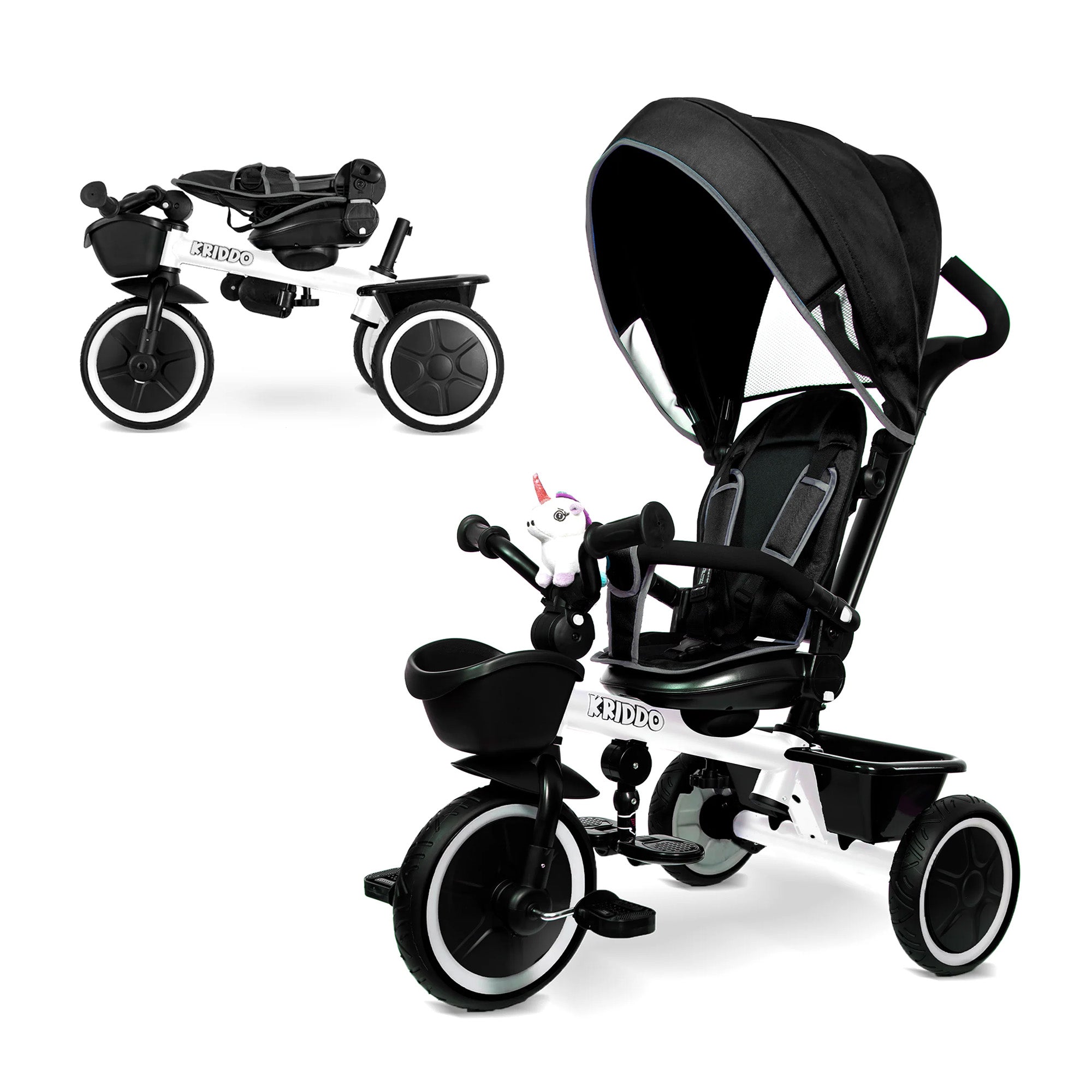
A baby walker and a balance bike also have different purposes. The differences between baby walkers and baby balance bikes can matter when you’re deciding which type of movement activity fits your child.
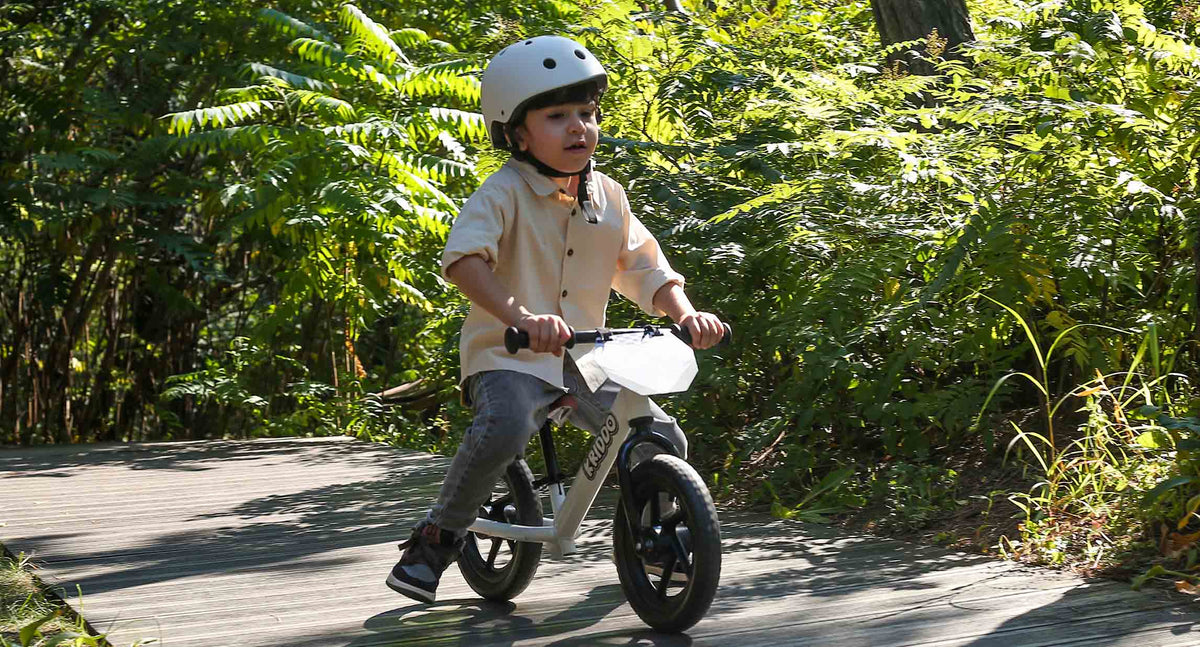
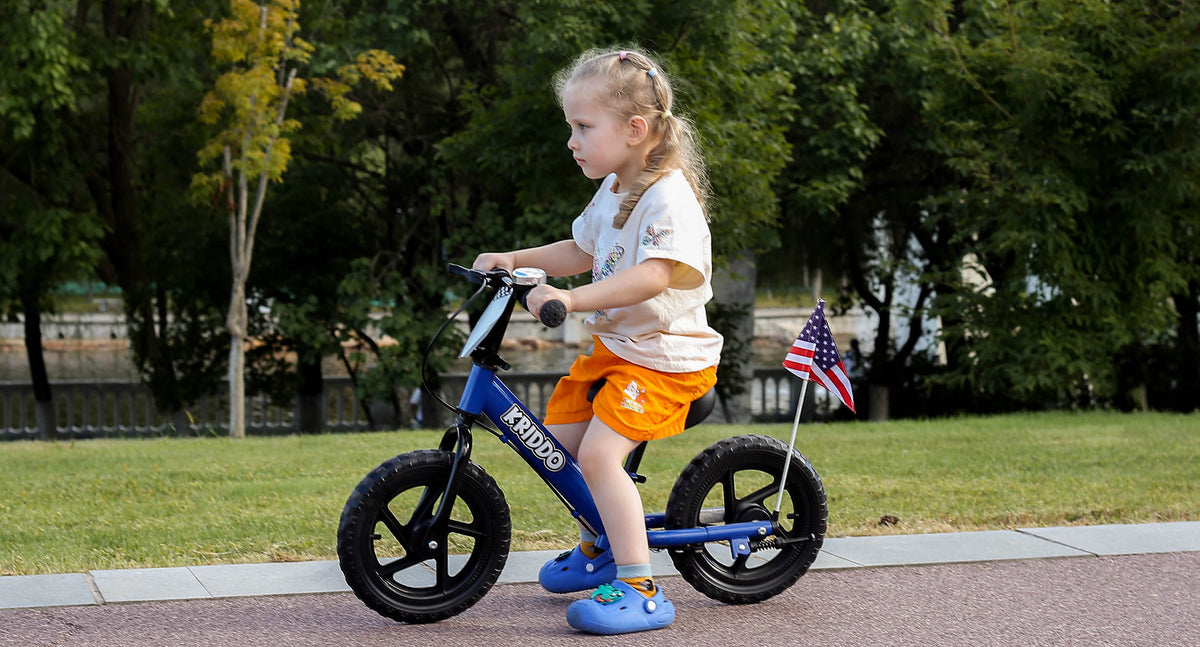
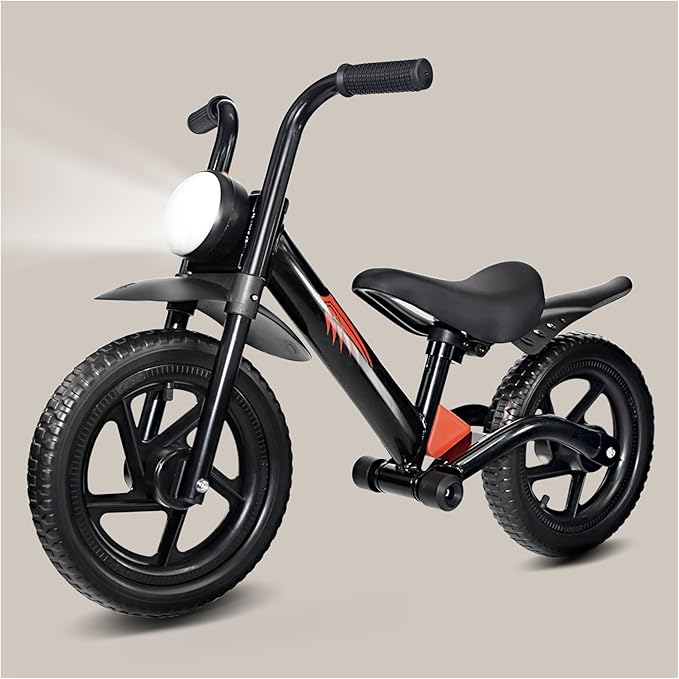
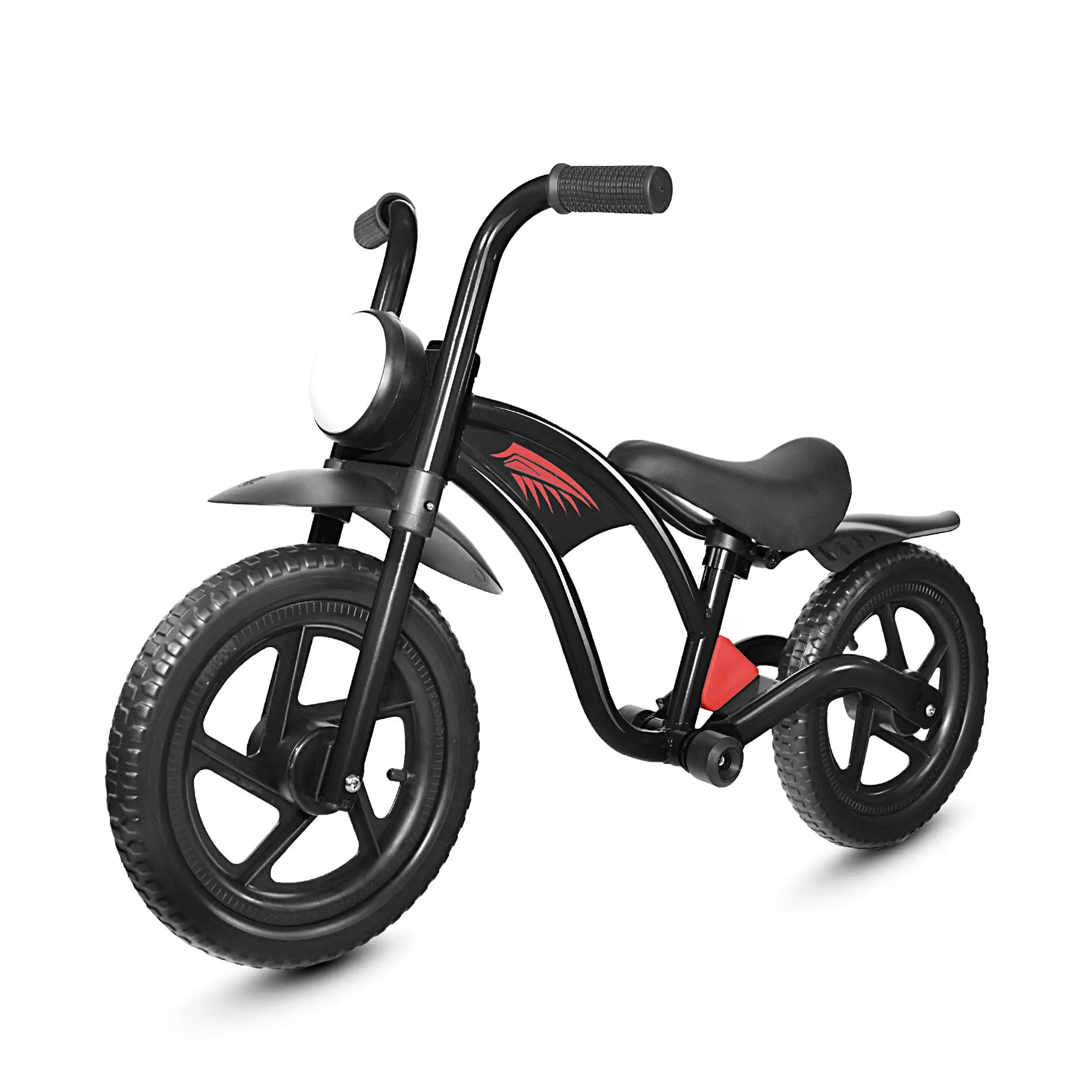
For a young child who is ready to explore riding, a baby balance bike can become another playful movement activity.
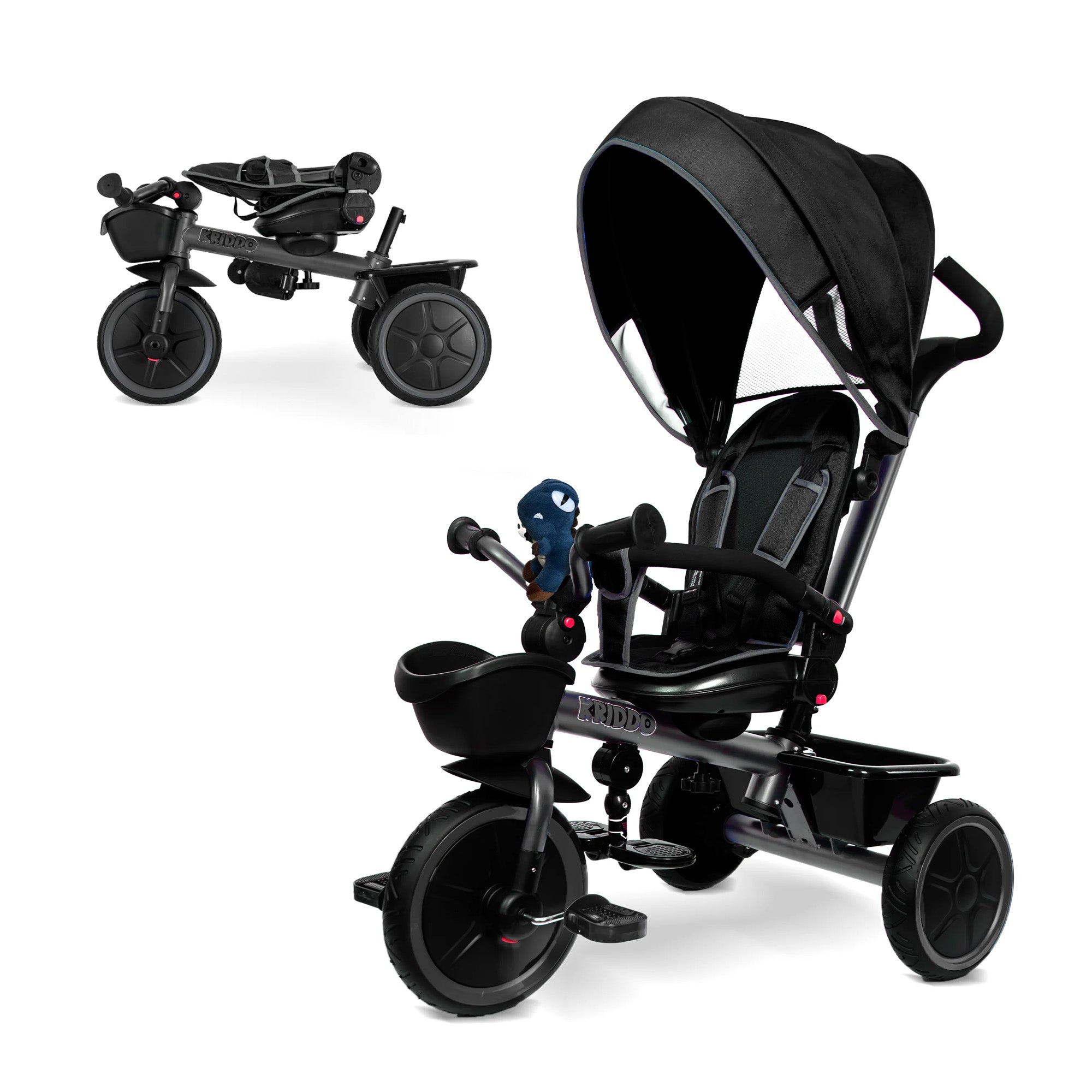
Featured Product:
It isn’t a replacement for walking practice, but it can give a young child another way to experience movement and balance.
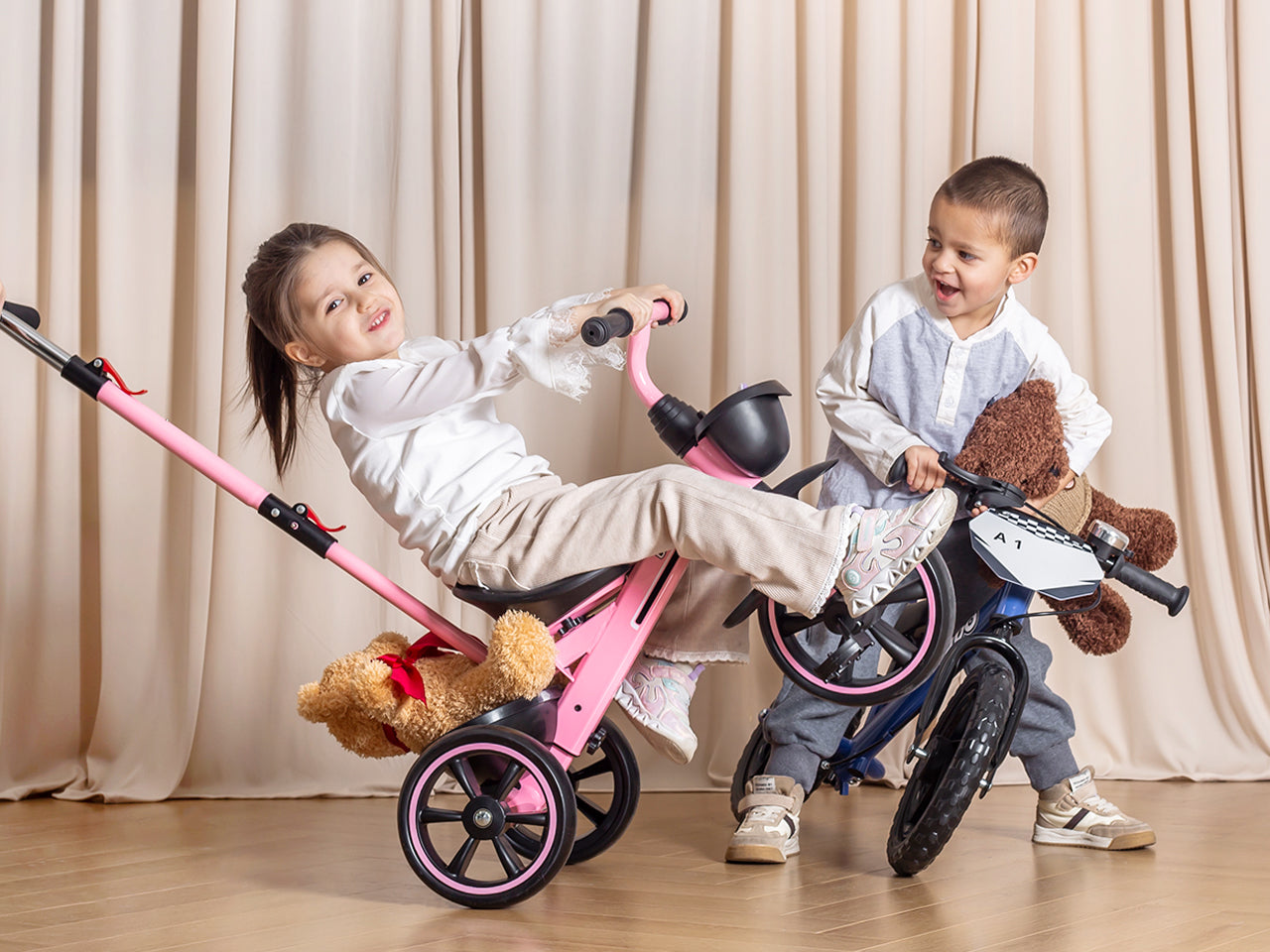
You can also encourage your baby to help collect toys and put them into a small push cart. This gives them a reason to move around while practicing balance.
As toddlers spend more time riding and moving, balance comes from repeated practice and small adjustments, much like how toddlers learn to balance on a bike.
Encourage Reaching Up and Down
Here’s an activity that doesn’t look much like walking practice at first: reaching.
Place an interesting toy somewhere slightly higher, such as on a couch cushion or sturdy box. Bubbles and balloons can also encourage your baby to reach upward while standing.
Then try placing a toy on the floor.
Reaching down requires different body control from reaching up. Keep in mind that babies may not confidently squat, pick something up, and stand again until around 15 to 18 months. So if your baby can reach upward but struggles to pick something up from the floor, that doesn’t necessarily mean anything is wrong.
The goal isn’t to make every activity look like walking. It’s simply to give your baby more chances to move their body and develop the balance they’ll eventually need for independent walking.
Set Up a Simple Treasure Hunt
A treasure hunt can turn walking practice into a game.
Place a few favorite toys around a safe area of your home. Put one near the sofa, another a little farther away, and another somewhere your baby can reach after cruising along the furniture.
Your baby may crawl toward one toy, pull up, cruise to another, and eventually try a few independent steps to get to the next one.
If needed, support your baby around the torso or let them hold onto sturdy furniture as they move. Stay with them throughout the activity and keep the area free of anything that could cause a fall.
And don’t be surprised if your carefully planned treasure hunt ends with your baby becoming fascinated by a completely random household object. That’s pretty normal.
The important thing is that they’re moving, exploring, and practicing.
Let Your Baby Take the Lead

Learning how to help baby walk isn’t really about getting your child to walk as quickly as possible. It’s about creating a safe environment where they can practice at their own pace.
One baby may take those first steps at 9 months, while another may need more time. Some babies spend weeks cruising before they feel confident enough to let go. Others seem to go from standing to walking almost overnight.
Try to notice the smaller victories: pulling up without help, standing for a few seconds, moving along the couch, reaching for a toy, or taking one wobbly step before sitting down.
Those moments may seem tiny, but they’re all part of learning to move independently.