




How to Brake on a Bike:
Teaching Kids Safe, Confident Stops That Actually Stick
Tiffany | 26th, Jan
Teaching a child how to brake on a bike sounds simple—until you watch them grab the front brake too hard and nearly tip over the handlebars. If you’ve ever had that heart-stopping moment, you already know this: braking is not just a mechanical skill. It’s judgment, timing, body awareness, and confidence all rolled into one.
For kids, especially young riders, learning how to brake on a bike is one of the most important safety lessons they’ll ever learn. It’s also one of the most misunderstood. Speed is fun. Stopping safely? That’s the real skill.
Let’s walk through how braking actually works, why kids struggle with it, and how parents can teach it in a way that feels natural—not scary, not forced, and not overwhelming.

First Things First: How Bike Brakes Really Work
Kids don’t need engineering lessons, but they do need to understand the difference between the two brakes. When children know what each brake does, they’re far less likely to panic and yank the wrong one.
Most kids’ bikes use a combination of front and rear braking systems, and each behaves differently. The rear brake slows the bike by reducing the rotation of the back wheel, which helps the bike decelerate gradually. The front brake, on the other hand, provides stronger stopping power—but that power comes with responsibility.
This difference is explained clearly in coaster brakes vs hand brakes for kids bikes, and it’s worth internalizing the concept: the front brake stops faster, but grabbing it suddenly can cause a loss of balance or even a fall.
Here’s the part many kids miss. When the front brake is applied, the bike’s momentum shifts forward. If the rider’s body doesn’t shift back with it, physics does the rest—and not in a friendly way.
That’s why braking and body position are inseparable skills.
Why Using Only One Brake Is a Problem
A common mistake among young riders is relying on just one brake. It’s usually the front, because it “works faster.” Unfortunately, faster isn’t always safer.
If a child uses only the front brake, especially at speed, there’s a real risk of pitching forward. If they rely only on the rear brake, stopping distance increases and the rear wheel can skid, which feels scary and unpredictable.
The goal isn’t to scare kids away from braking. It’s to teach them balance—literally and figuratively.
Help your child learn which hand controls which brake and why both matter. Controlled stopping comes from using both brakes together, easing pressure gradually rather than slamming down at the last second.
And yes, kids love to test limits. Many will ride fast toward an obstacle just to see how close they can get before stopping. That’s normal. The lesson isn’t “don’t do that.” It’s learning how to slow down early enough that stopping doesn’t feel like a crisis.
Games That Teach Braking Without Feeling Like a Lesson

You know what? Kids learn faster when they don’t realize they’re being taught.
One simple game is drawing a “brake line” and a “stop line” on the pavement using chalk. The goal isn’t to stop instantly—it’s to slow down smoothly and stop with control.
Another favorite is the precision stop. Draw a single line and challenge your child to ride toward it at speed, then stop with the front wheel right on the line and both feet still on the pedals. It turns braking into a puzzle, not a rule.
During these games, remind them to push their arms slightly back and shift their hips toward the rear of the bike. This movement helps counteract forward momentum and keeps the bike stable.
Over time, this body awareness becomes automatic. That’s when real confidence shows up.
Body Position: The Quiet Hero of Safe Braking
Good braking starts before the brakes are even squeezed.
When a child brakes, their body should stay relaxed but intentional. Arms straight—not locked, just steady. Hands firm on the handlebars. Eyes looking forward, not down.
Most importantly, their weight should shift slightly back. Not exaggerated. Just enough to stay centered over the bike.
This posture reduces the risk of going over the handlebars and makes braking feel predictable instead of scary. It’s subtle, but it matters.
Slow Progress Is Still Progress
It’s tempting to rush kids through skills once they “get it,” but braking confidence builds best in layers.
Start with riding straight. Then practice gentle turns. Then match speed with a parent. Eventually, introduce controlled stops without announcing them ahead of time.
Each success builds the mindset every rider needs: “I can handle this.”
Praise matters here. Not for being fast—but for being smooth, controlled, and thoughtful.
The Right Way to Use Brake Levers

Brakes aren’t like shifters. They aren’t meant to be tapped or slapped. They’re meant to be squeezed gently and progressively.
One of the most helpful habits a child can learn is riding with one finger resting on the brake lever. This technique—often called “covering the brake”—allows quicker response without panic.
Using only the index finger keeps the rest of the hand stable on the grip, which improves balance. Grabbing the brake with the whole hand often leads to over-braking and loss of control.
This small habit makes a big difference.
Why Balance Bikes With Brakes Make Learning Easier
Braking is much easier to learn when kids don’t also have to think about pedaling. That’s where balance bikes come in.
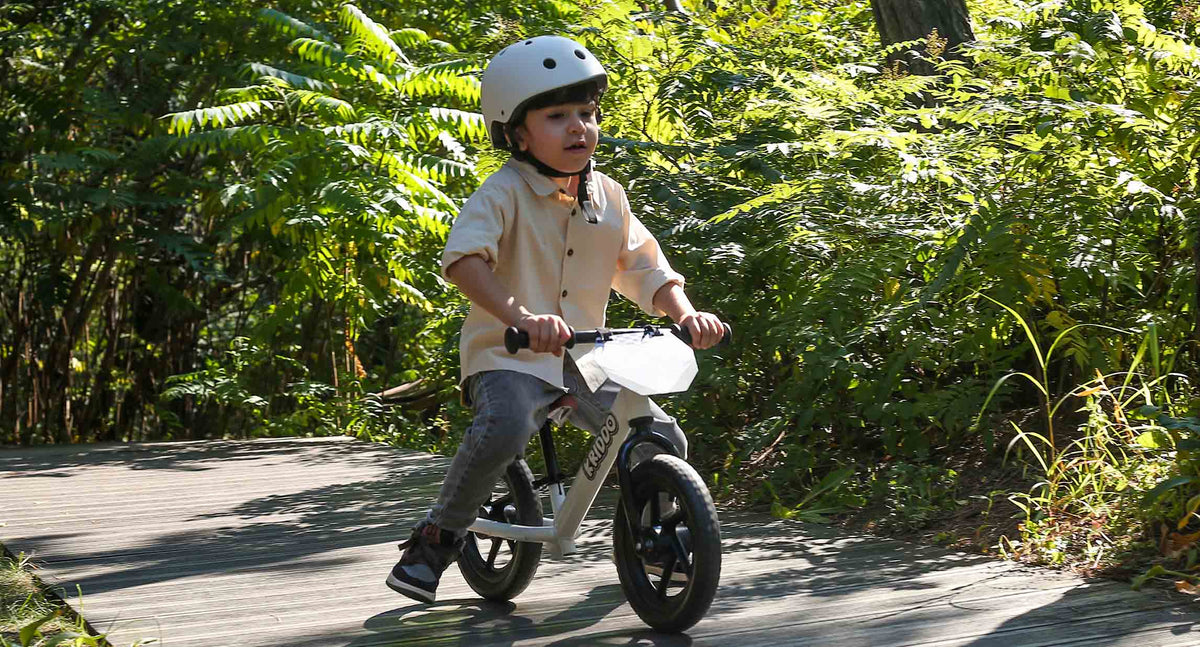
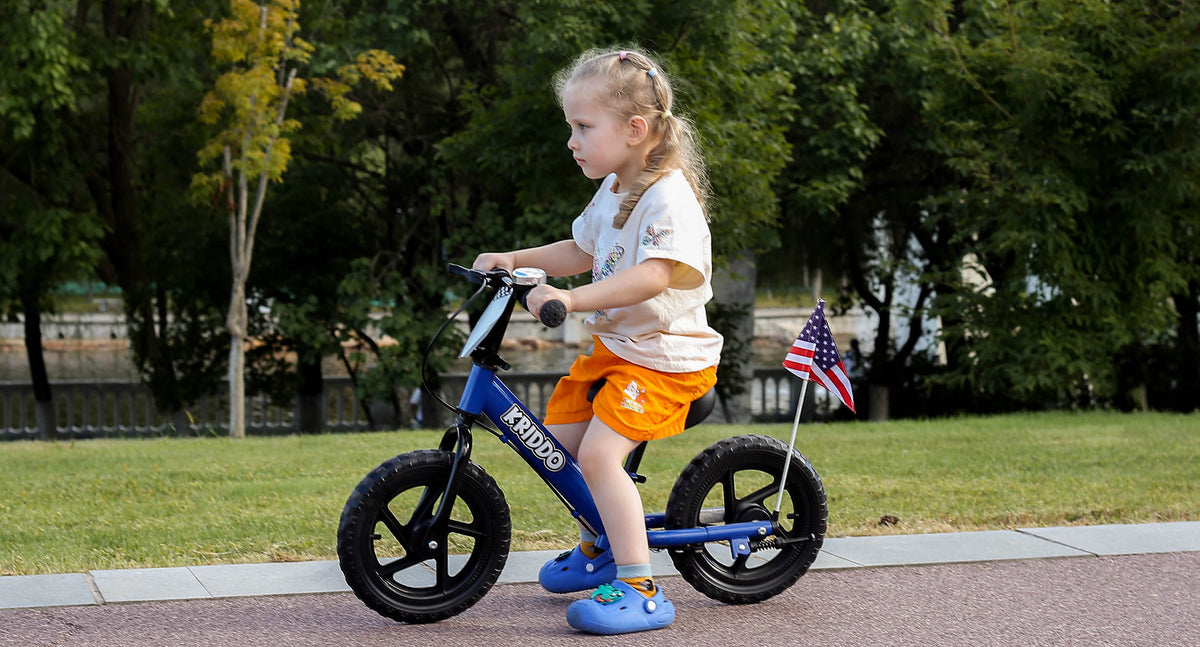
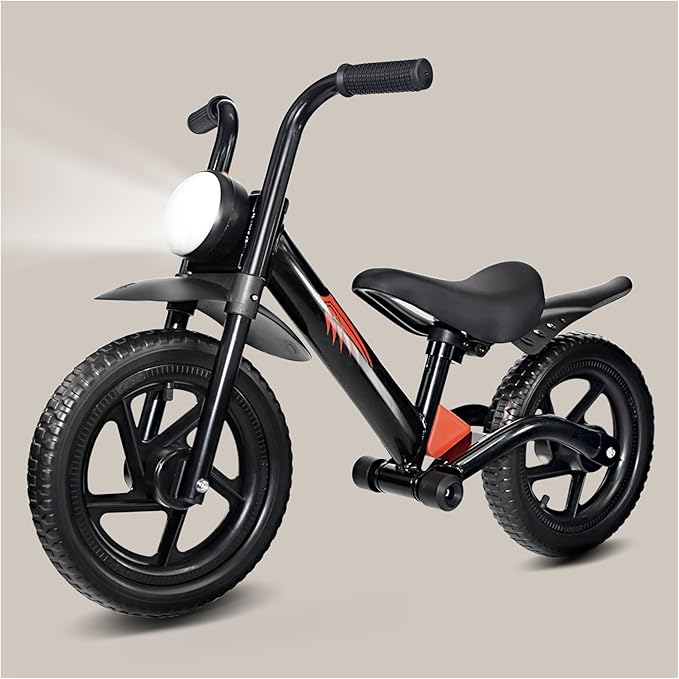
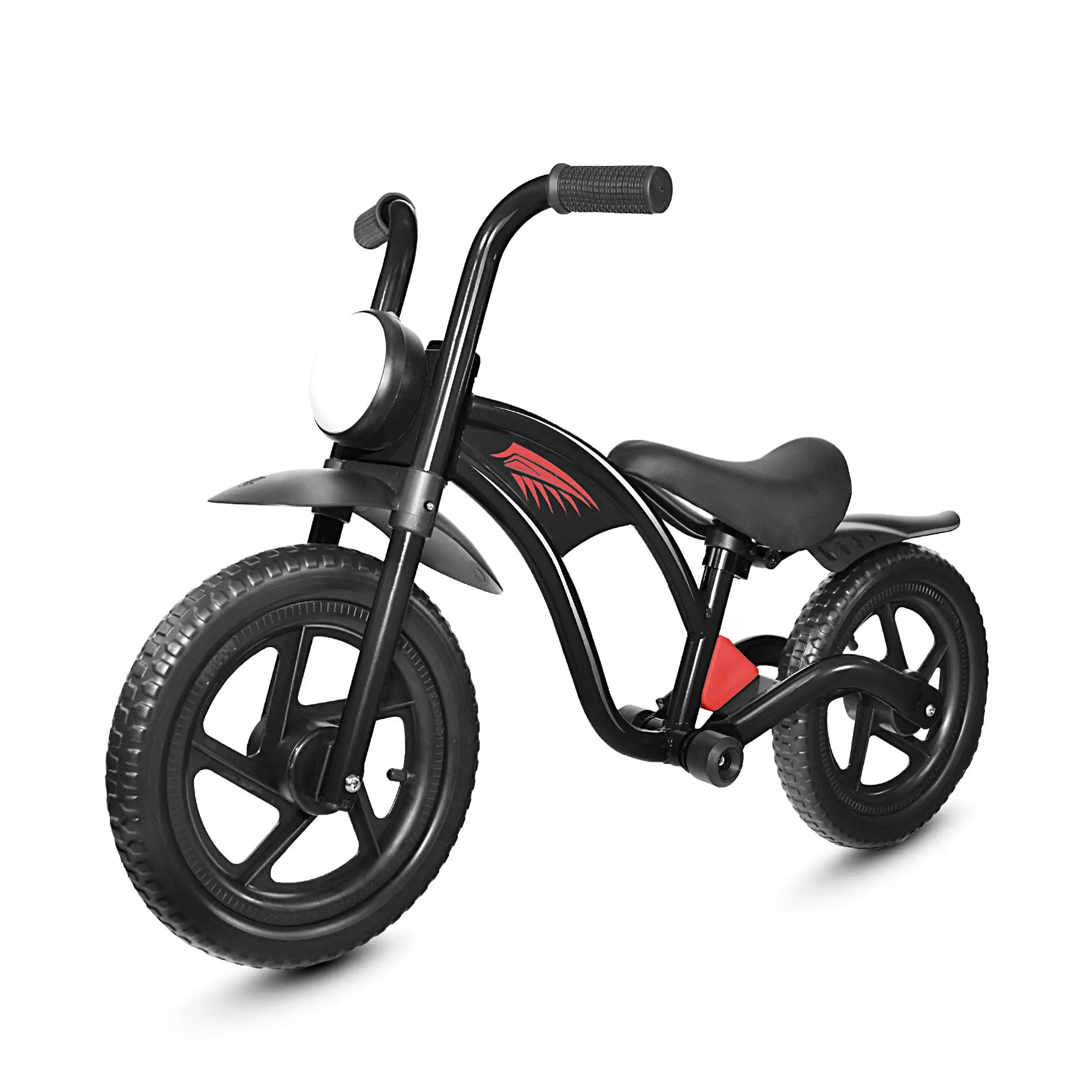
The KRIDDO balance bike with brakes is designed to let children focus on balance and stopping without distractions. With both front and rear braking systems, kids can practice real braking skills early, at their own pace.
The KRIDDO balance bike with brake is especially helpful for younger riders who are just beginning to understand speed and control.
The Cruise Pal model offers features that genuinely support learning:
- Dual braking system for safer stops
- Rear foot brake and ergonomic hand brake
- Lightweight frame that’s easy for small riders to manage
- Soft grips sized for young hands
- Puncture-proof tires for consistent handling
- High-quality brake cables for smooth response
It’s a setup that supports confidence without overwhelming a child.
Moving to Pedal Bikes Without Losing Braking Skills
When kids transition to pedal bikes, braking often feels different again. More speed. More momentum. More excitement.
For children starting on pedal bikes, the KRIDDO 14 inch & 16 inch models are built to support that transition thoughtfully.
These bikes offer:
- 14- and 16-inch thick rubber wheels for stability
- Removable training wheels that fade out naturally
- Front hand brake and rear coaster brake
- Full chain guard to protect hands and clothing
- Smooth bearings for easier pedaling
- Front and rear reflectors for visibility
- Custom nameplates and DIY stickers for personalization
Designed for kids aged 3 to 8, these bikes make braking feel familiar rather than intimidating.
Final Thoughts: Braking Is Freedom, Not Restriction
Teaching a child how to brake on a bike isn’t about limiting fun. It’s about giving them control.
When kids know they can stop safely, they ride faster with confidence. They explore further. They take pride in mastering something real.
And honestly? There’s nothing better than watching a child ride off knowing they can handle whatever comes next.