





How Do You Organize an Easter Egg Hunt?
A Memorable Guide for Families
Tommy | 30th, Mar
If you’re wondering how do you organize an Easter egg hunt, the short answer is this: keep it simple, keep it fair, and make it feel magical. That’s really the whole secret. Kids don’t need a huge production to have the time of their lives. They need colorful eggs, a little suspense, some movement, a few sweet treats, and that delicious feeling that treasure might be hiding just around the corner.
And honestly? That’s why egg hunts never go out of style.
For a lot of families, an Easter egg hunt is the heartbeat of the holiday. It brings everyone outside, gets little legs moving, and turns an ordinary backyard, living room, or park into a world of tiny surprises. If you’ve ever read through how to celebrate Easter with simple traditions that still feel magical, you already know that the most lasting holiday memories usually come from the smallest things.
The best part is that you do not need to be a party planner to pull it off. Whether you’re hosting a neighborhood event, setting up a family gathering, or planning a small morning surprise before brunch, a well-organized Easter egg hunt can be easy to manage and wildly fun.
Start With the Age Range—Because That Changes Everything

Before you buy a single egg or candy bunny, think about the children who’ll be joining.
This is where many parents get tripped up. A hunt that feels exciting for a seven-year-old can feel frustrating for a three-year-old. And if older kids race ahead and scoop up everything in sight, younger children can end up disappointed fast. That’s not exactly the Easter vibe anyone wants.
So if you’re organizing for mixed ages, fairness matters more than difficulty.
One of the easiest ways to make the hunt work for everyone is to assign egg colors by age group. For example:
- Blue eggs for toddlers
- Yellow eggs for preschoolers
- Pink eggs for early elementary kids
- Green eggs for older children
That way, every child knows exactly what they’re looking for, and no one feels left behind. You can use plastic eggs, foil-wrapped chocolate eggs, or dyed hard-boiled eggs if you’re keeping things traditional.
Another option is to create separate hunt zones. Younger children can search in open, visible areas where eggs are tucked into easy spots. Older kids can take on more challenging hiding places or even follow clues.
And if competition tends to create drama in your house—fair enough—skip the “most eggs wins” setup entirely. You can give every child a small prize at the end or draw one name randomly for a bonus surprise. That keeps the energy fun without turning it into a full-on Easter championship.
Pick the Right Day and Time Without Overthinking It
You do not need to host your Easter egg hunt on Easter Sunday itself.
That’s the truth.
A lot of families already have church, meals, travel, naps, grandparents, and roughly twelve things happening at once. So if Easter weekend is packed, plan the hunt for the day before, the weekend before, or even during spring break.
The key is choosing a time when kids are awake, fed, and not already melting down.
Late morning usually works beautifully. Early afternoon can also be great, especially if you want to tie it into lunch or a casual backyard party. In most cases, two to three hours is more than enough for the full experience, especially if you include snacks, photos, and maybe one or two bonus games.
Keep it relaxed. A hunt should feel exciting, not scheduled down to the minute.
Choose Your Eggs Like a Strategist
Now for the fun part: the eggs themselves.
If you’re hosting indoors, real eggs can be charming and nostalgic. If you’re hosting outdoors, plastic eggs are usually the smarter move. They’re easier to spot, easier to fill, and much less likely to crack open in the grass five minutes before game time.
Inside those eggs, you can add:
- Mini stickers
- Temporary tattoos
- Coins
- Jelly beans
- Small chocolates
- Tiny toys
- Puzzle pieces
- Coupon-style rewards like “pick tonight’s movie” or “extra bedtime story”
Try to avoid fillers that are too tiny for younger children, and be careful with candy if toddlers are involved. Texture, size, and safety matter more than people think.
A good rule of thumb is to prepare around 10 eggs per child, though you can go higher if you’re hosting a bigger event and want the yard to feel full. Some families also include one larger “special egg” per child so everyone ends with a little wow moment.
That said, quantity isn’t everything. Variety makes the hunt feel richer. A mix of shiny eggs, bright wrappers, and a few unexpected goodies makes a huge difference.
Add Clues if You Want More Than a Basic Hunt

If you’re planning for older kids, one of the best ways to level up your Easter egg hunt is to turn it into a mini treasure trail.
This is where things get really fun.
Instead of simply scattering eggs around the house or yard, you can hide a few key eggs that contain clues leading to the next location. Eventually, those clues can guide children to a final prize, a basket, or even a “golden egg.”
You don’t need to make the clues too clever. In fact, simple usually works better.
Try clues like:
- “Look where shoes go when the day is done.”
- “I keep fruit fresh and snacks cold.”
- “You watch cartoons from this cozy spot.”
- “The flowers outside might know the answer.”
That little extra layer turns the hunt into more of an adventure. Kids feel like detectives, not just collectors.
For younger children, though, skip the riddles unless they love them. Most toddlers and preschoolers are happiest when they can actually see progress quickly. That early success keeps them engaged.
The Hiding Part Is Where the Magic Happens
This is the moment every adult secretly enjoys too much.
Hiding eggs is half strategy, half comedy.
You want a balance of easy wins and satisfying discoveries. Some eggs should be sitting in plain sight. Others can be tucked under a bush, behind a flowerpot, near a tree trunk, beside a couch cushion, or behind a stack of books.
Good hiding spots might include:
- In a child’s shoe by the door
- Behind couch pillows
- Under low shrubs
- Inside an empty flower pot
- In the fruit bowl
- Tucked beside a fence
- Near a TV stand
- Under a picnic table
- On a low bookshelf
- Beside garden toys
If your child is around three or four, lean visible. Really visible. Kids new to Easter egg hunts need momentum. If they spend too long without finding anything, the excitement fades quickly.
And here’s the thing people forget: keep the hunt area fairly contained. Spreading eggs too far apart can make the whole experience feel slow and confusing. Closer hiding spots create more “I found one!” moments, which is exactly what you want.
Set Rules Before the Kids Burst Out the Door
Even a casual Easter egg hunt needs a few rules.
Not many. Just enough.
Otherwise, the first thirty seconds can turn into absolute chaos.
A few helpful rules might be:
- Only collect eggs in your color group
- No pushing or grabbing
- Stay within the marked area
- Wait until everyone starts together
- Bring eggs back to your basket before opening them
- Ask for help if you can’t reach something
If you’re doing a clue-based hunt, explain whether children should work alone, in teams, or with an adult.
And yes, if there’s a golden egg or special prize, tell kids ahead of time whether finding it means they automatically win something—or whether it simply unlocks a group surprise. That avoids tears later.
Make It Feel Bigger With a Few Simple Extras
You don’t need an elaborate party setup to make the day feel special, but a few little touches go a long way.
A basket station by the front door. Bunny ears. Chalk signs. A spring playlist. Lemonade in paper cups. Done.
You can also build the hunt into a bigger Easter routine with:
- Egg decorating beforehand
- A bunny-themed snack table
- A post-hunt photo corner
- A “guess how many jelly beans” jar
- A small prize table for everyone
These details make the event feel more complete without adding too much work.
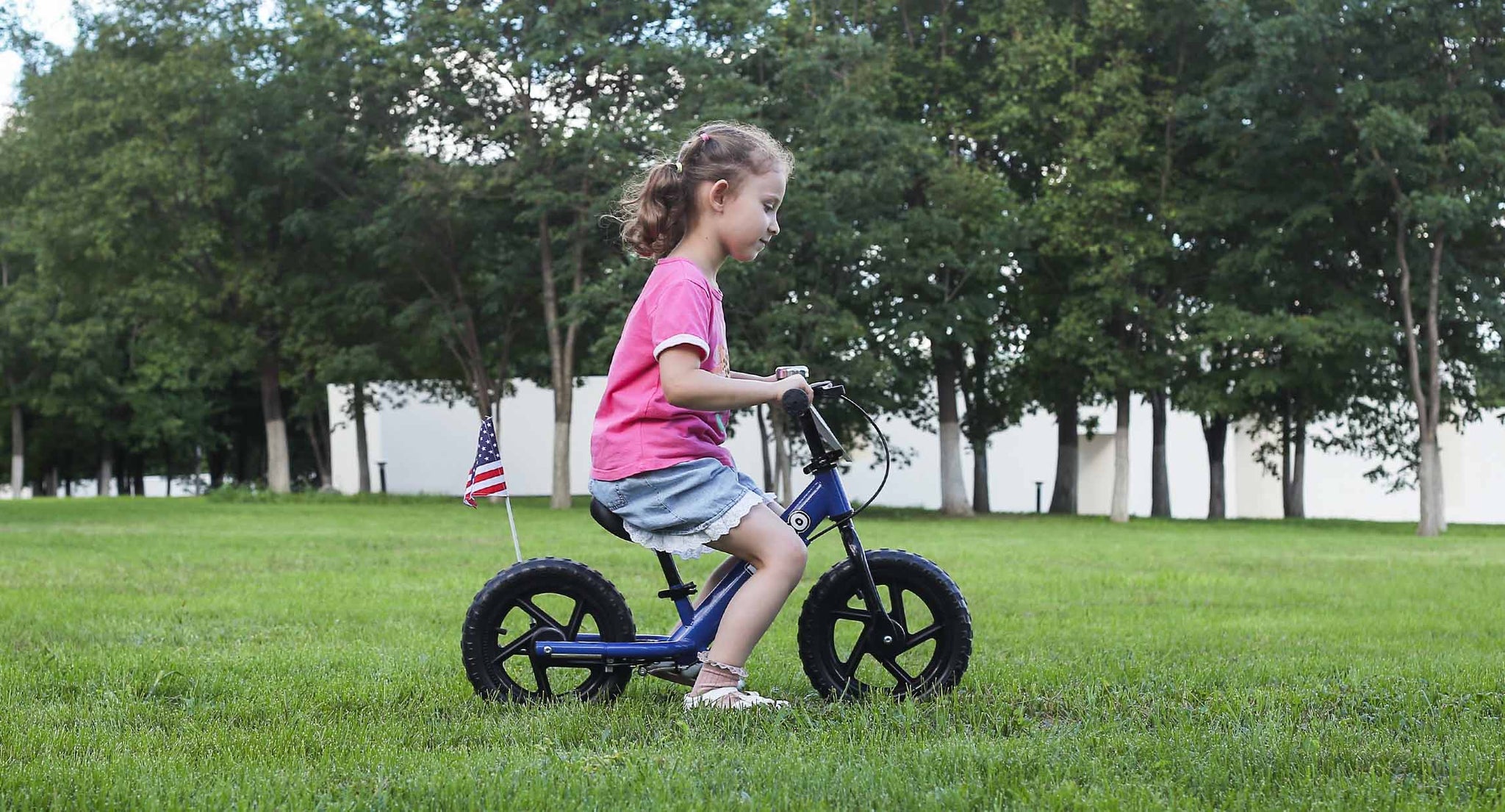
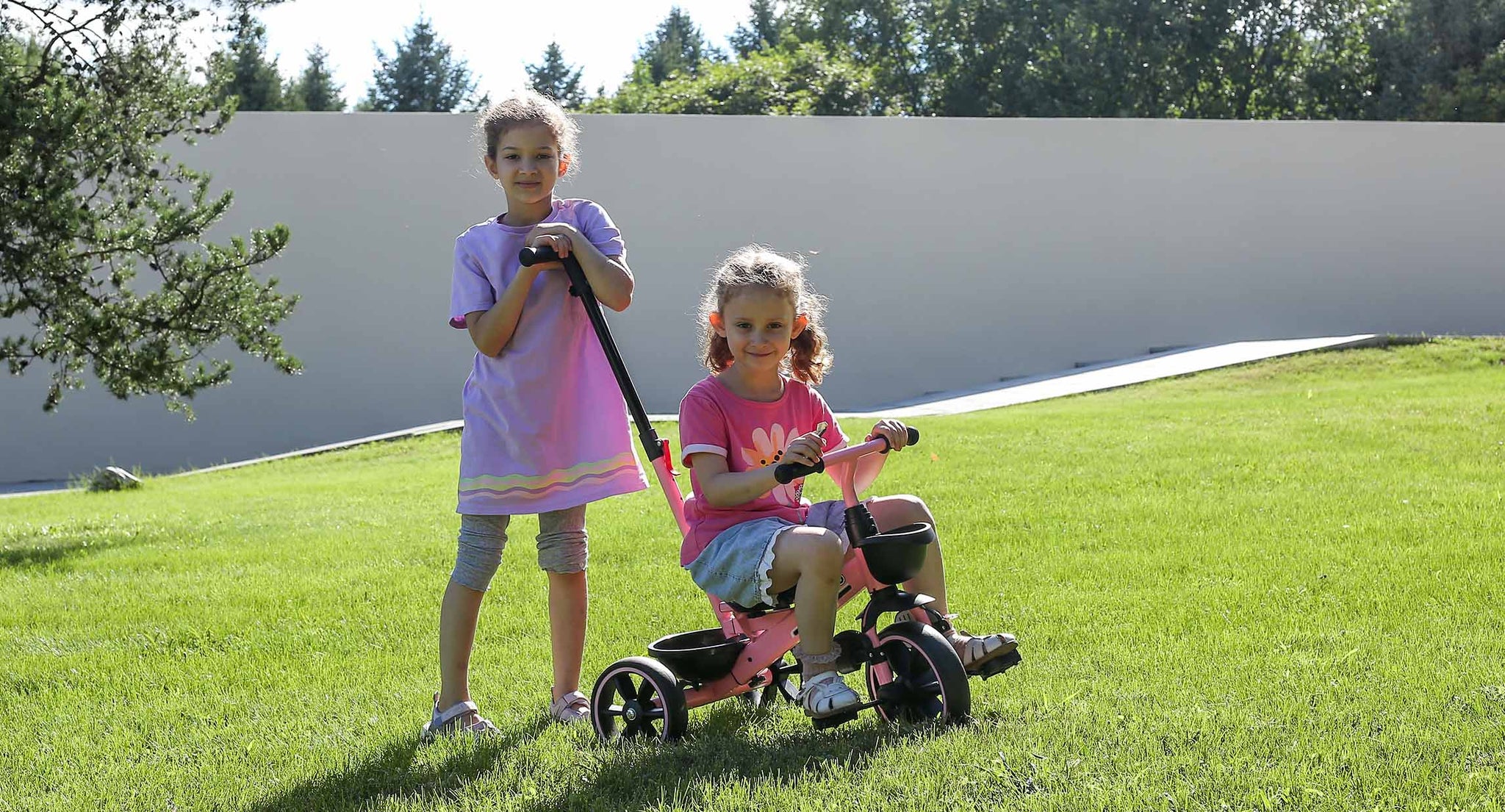
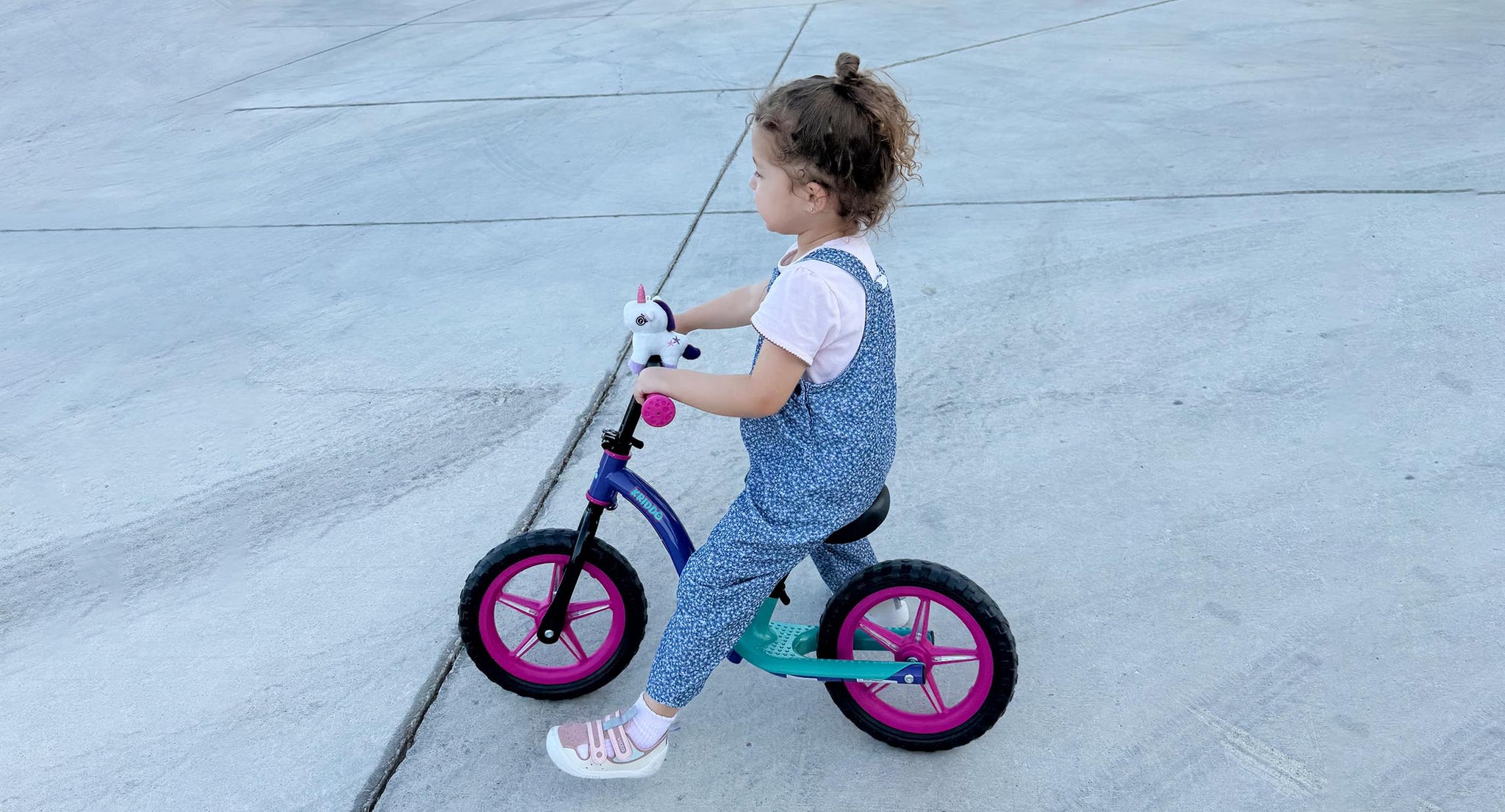
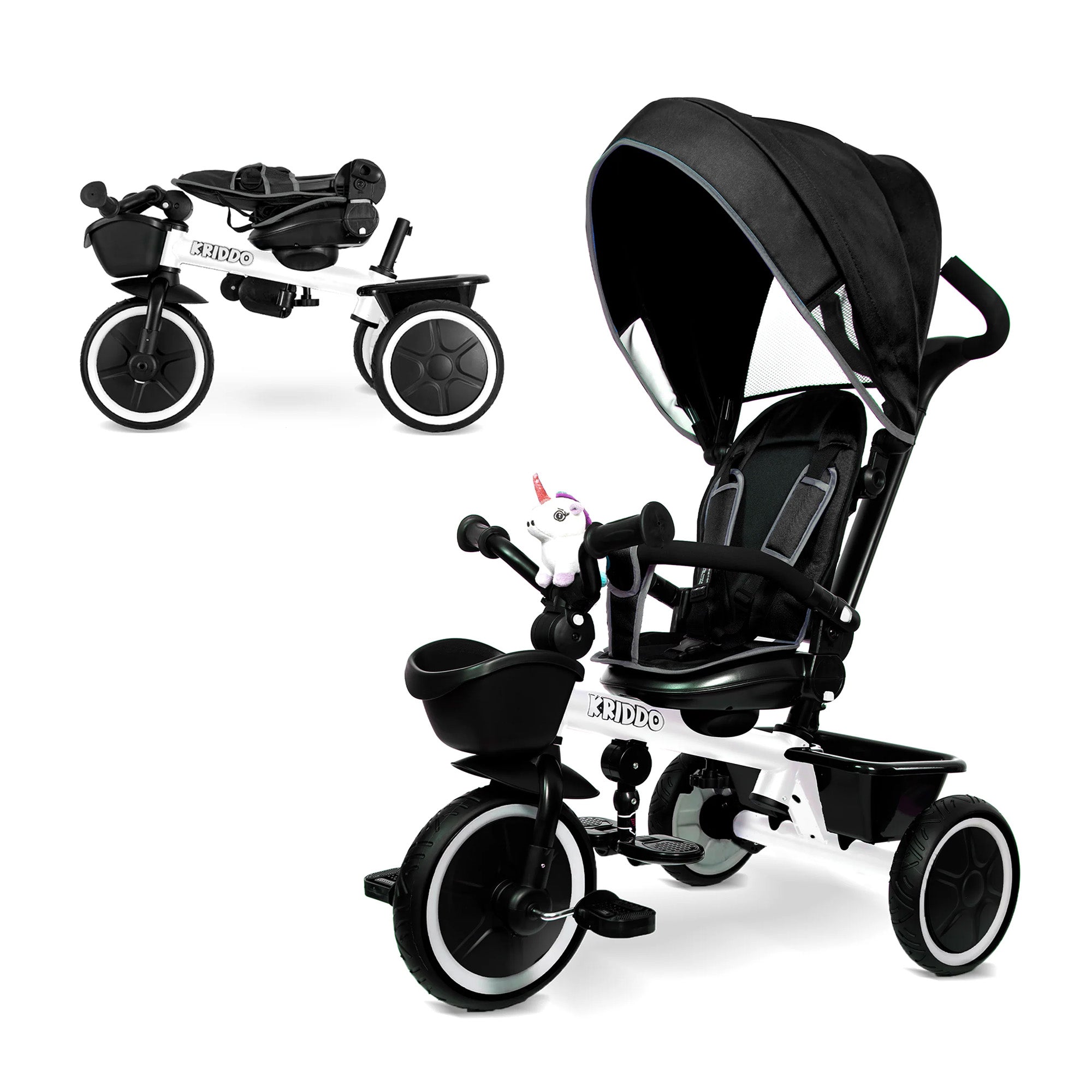
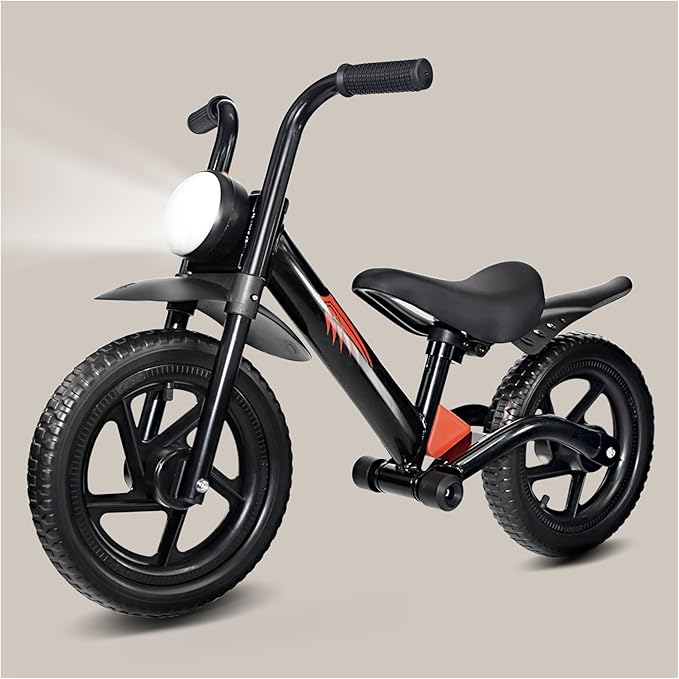
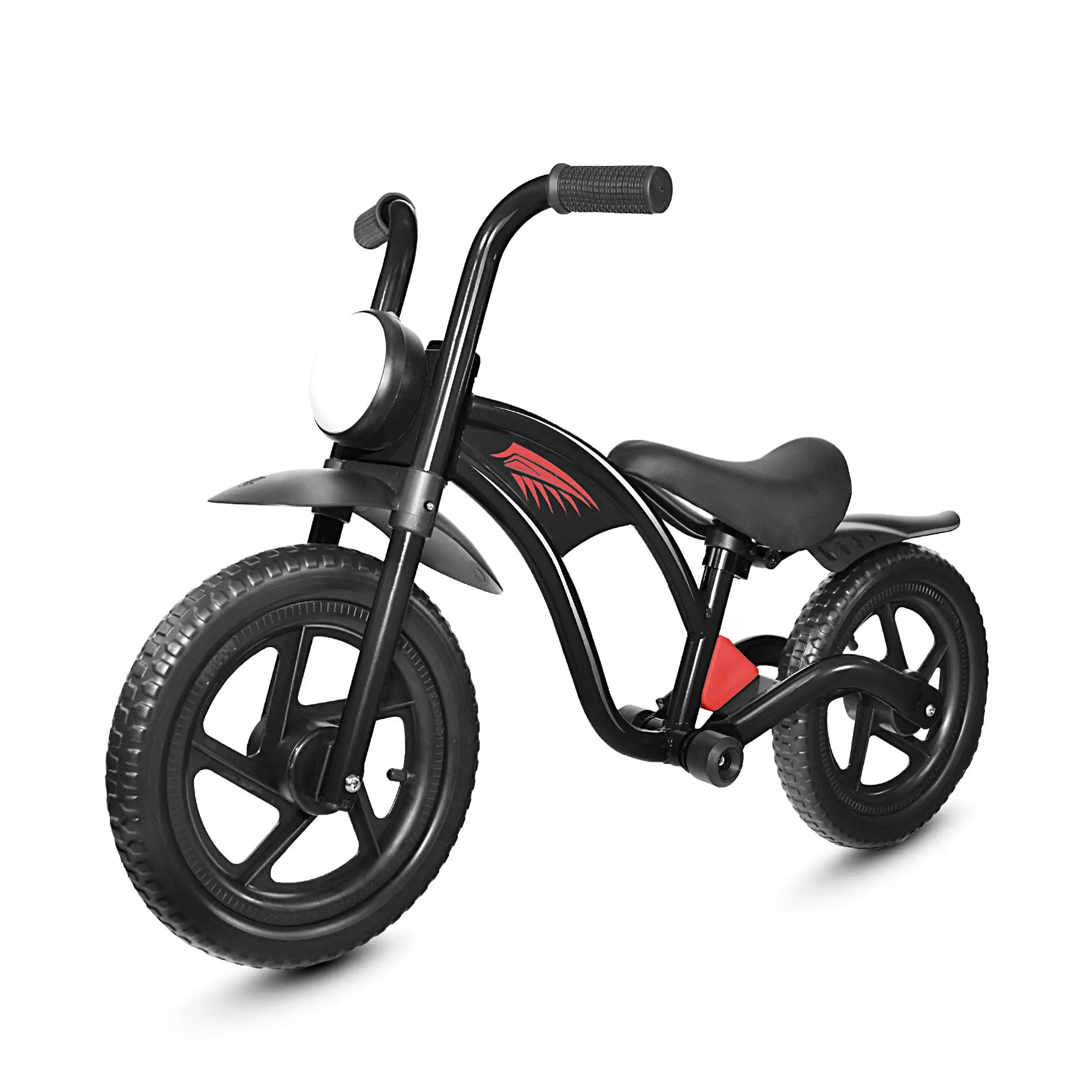
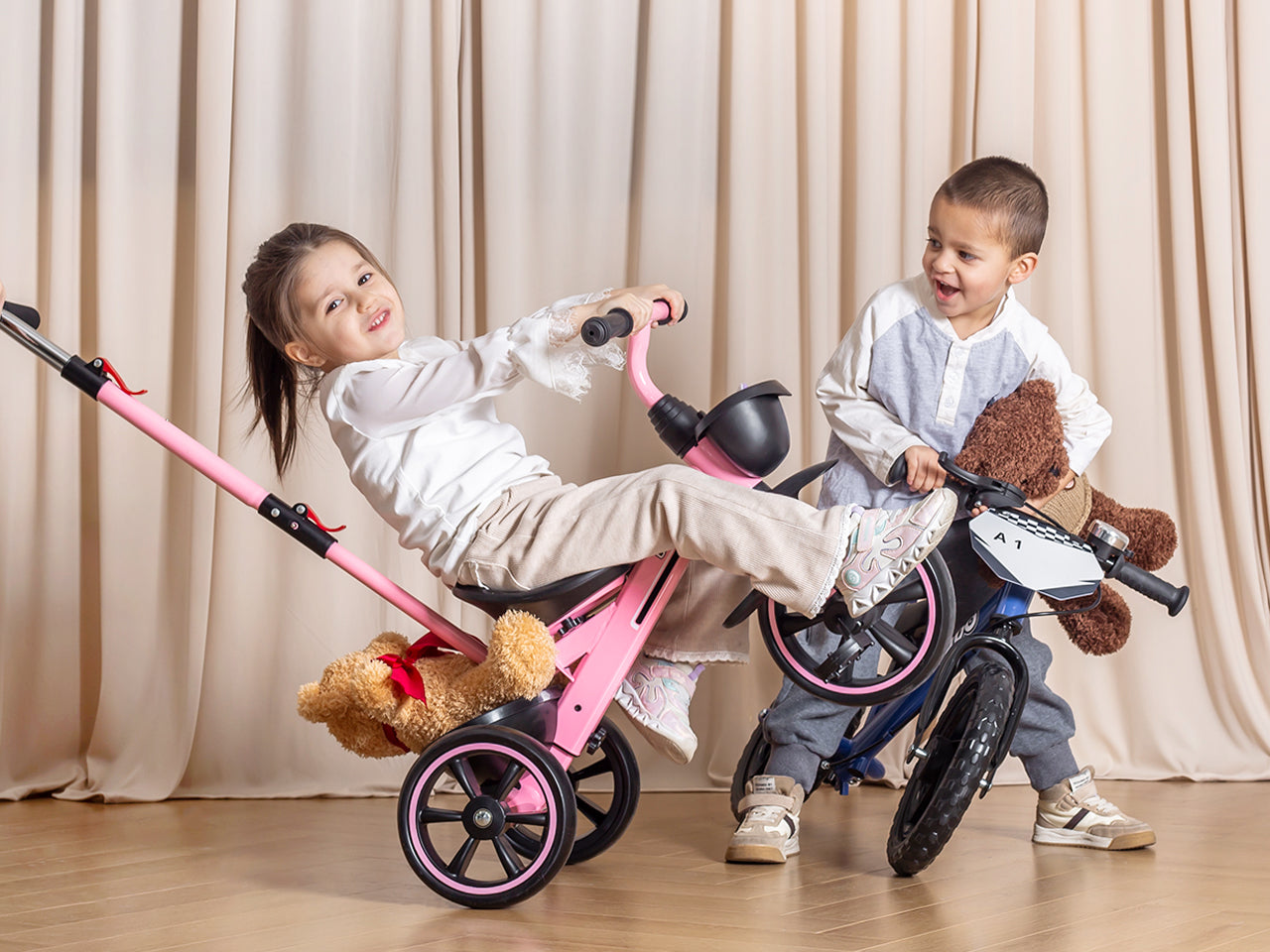
And if your child loves movement, there are fun ways to make the search even more active. Some families turn the hunt into a ride-and-find adventure using a balance bike or a kids tricycle, especially in driveways, cul-de-sacs, or larger backyards.
That can be especially helpful for children who get bored with slow walking or who just want the day to feel more playful and energetic.
Why KRIDDO Products Work So Well for Easter Fun

If you’re planning an outdoor Easter setup and want something that adds movement without making the day complicated, KRIDDO can fit in naturally. Families who already know the KRIDDO brand often use ride-on toys as part of backyard play because they keep children engaged before and after the main event.
A few standout benefits make them especially useful during holiday activities:
- Encourages active outdoor play: Kids aren’t just standing around waiting for the next egg. They’re moving, steering, exploring, and burning off that candy energy in the best way.
- Great for younger riders: Balance bikes and tricycles help little kids feel included, especially if older siblings are faster on foot.
- Makes larger hunt spaces easier to enjoy: If your yard, driveway, or park setup has more ground to cover, riding can keep the experience fun instead of tiring.
- Adds another layer of excitement: An Easter egg hunt already feels special. Add wheels, and suddenly it feels like a real adventure.
- Supports repeat play after the holiday ends: The eggs disappear by afternoon. The ride-on fun sticks around long after Easter is over.
That’s the kind of purchase parents tend to appreciate—something seasonal in spirit, but practical beyond the holiday itself.
Keep the Goal in Mind: Fun First, Perfect Never
If you’re still asking how do you organize an Easter egg hunt, the real answer is not “perfectly.”
You organize it warmly. Lightly. With enough structure to keep things moving and enough flexibility to laugh when something goes sideways—because something probably will. One child will find six eggs in thirty seconds. Another will walk past the obvious one three times. Someone may open a chocolate before the hunt is technically over. That’s family life.
And honestly, that’s what makes it memorable.
A great Easter egg hunt is not about flawless planning. It’s about creating a small pocket of wonder—one where kids run, search, squeal, compare baskets, and remember that spring feels a little magical.
That’s more than enough.