







Extracurricular Activities for Kids:
Helping Children Discover Their Passions
Miley | 23rd, July
I still remember the first time my child tried an organized activity.
Before that day, I wondered if it was too early. Would they enjoy it? Would they feel nervous? Would I be adding one more thing to an already busy family schedule?
But when I watched my child walk into the room, curious but a little unsure, something changed. Within a few minutes, they were laughing, trying something new, and talking to another child who shared the same interest.
That small experience reminded me that childhood is not only about learning letters, numbers, or classroom skills. Children are constantly discovering who they are.
The right extracurricular activities for kids can give children a place to explore their interests, build confidence, develop friendships, and discover abilities they may not even know they have.
Some children shine on a sports field. Others find their voice through music, art, science, or creative projects. There is no single path that works for every child.
The goal is not to fill every hour of the week.
The goal is to give children opportunities to explore, grow, and enjoy learning in different ways.
Why Extracurricular Activities for Kids Matter

Every child has different strengths.
Some children naturally love movement and competition. Others are happiest creating something with their hands, solving problems, or performing in front of others.
Extracurricular activities allow children to experience success outside traditional school settings.
These activities can help children develop:
- confidence
- creativity
- communication skills
- independence
- teamwork
- problem-solving abilities
For many children, friendships also grow naturally through shared interests.
A child who feels shy at school may find it easier to start conversations when they are surrounded by others who enjoy the same activity.
Physical activities especially provide opportunities for children to practice social interaction. Movement, games, and group activities can support children as they learn cooperation and communication skills, which are important parts of development. Many parents notice how physical activity improves social skills in children through everyday play and organized activities.
Sports Activities Help Kids Build Confidence and Teamwork
Sports are one of the most common extracurricular choices for children, and for good reason.
Sports teach lessons that go far beyond winning or losing.
Children learn how to:
- practice consistently
- follow instructions
- work with teammates
- handle challenges
- set personal goals
For some children, team sports are exciting because they enjoy working with others. Soccer, basketball, and team-based activities can create a strong sense of belonging.
For others, individual activities may feel more comfortable. Swimming, martial arts, cycling, hiking, gymnastics, or running allow children to focus on personal improvement.
The important thing is finding an activity that matches your child’s personality.
A child who dislikes competitive team environments is not necessarily uninterested in sports. They may simply need a different type of activity.
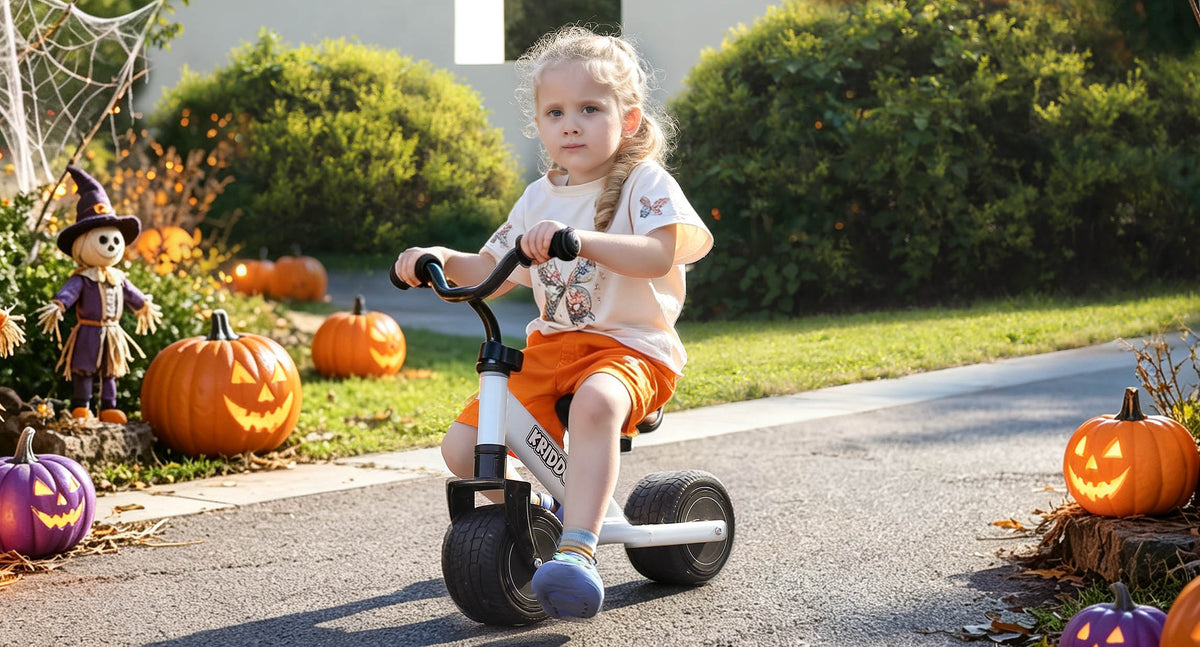
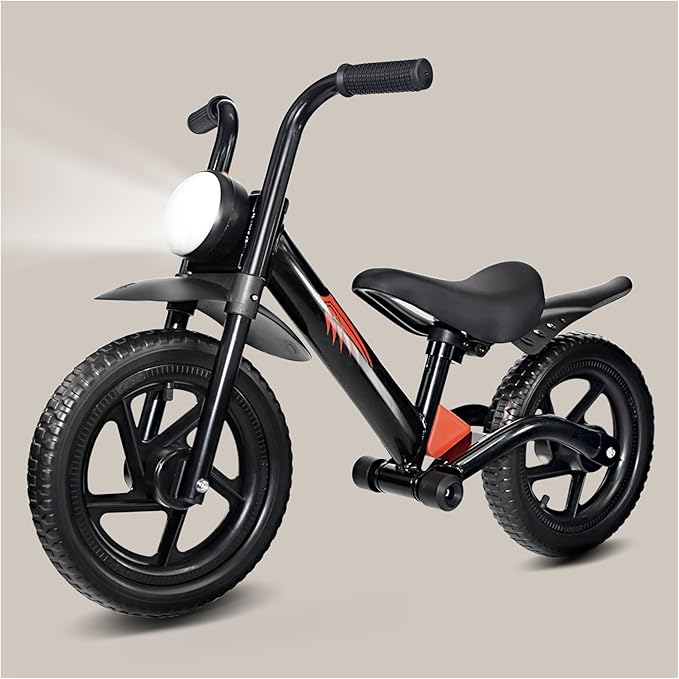
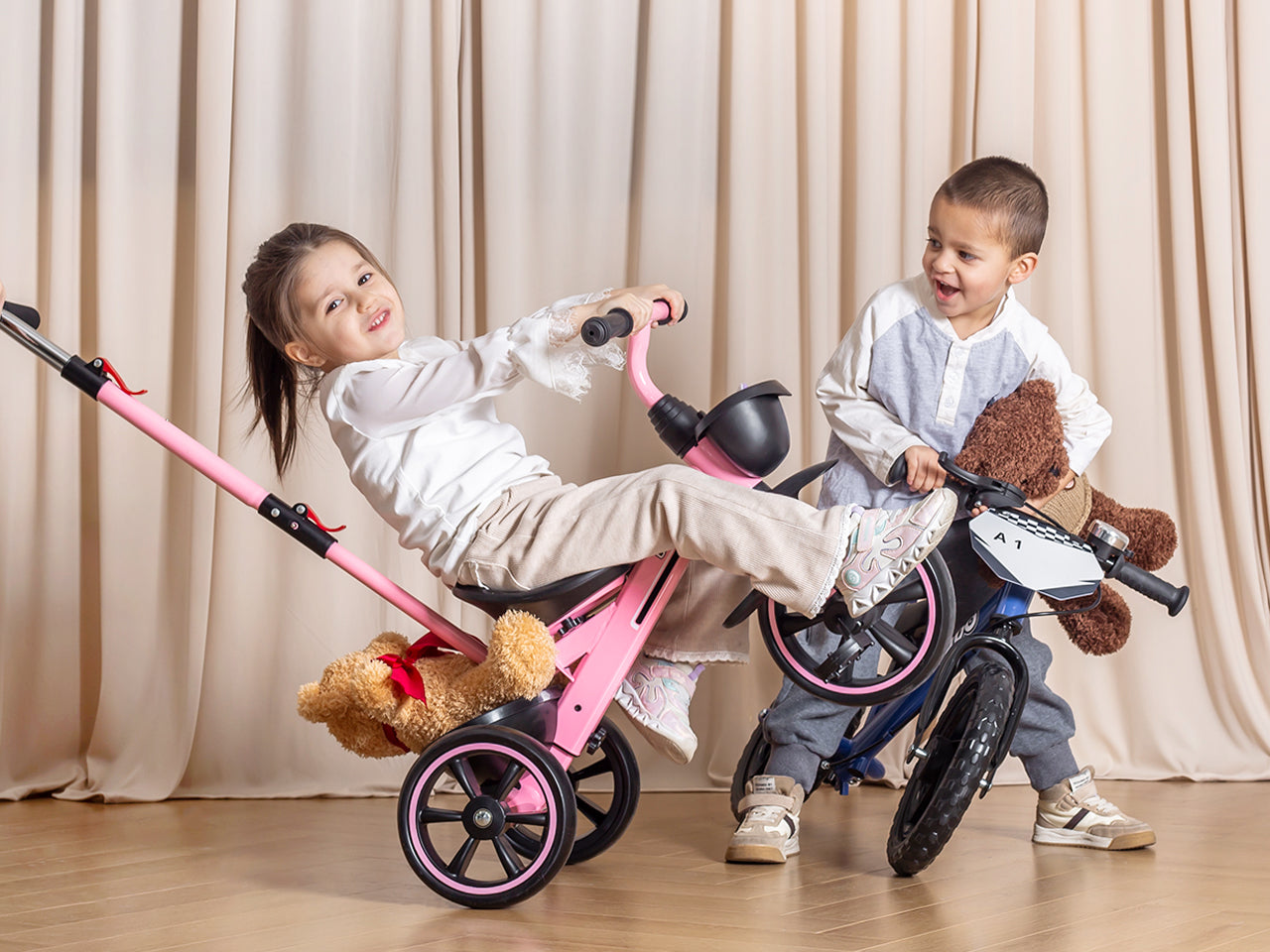
For younger children, activities involving movement can also support balance and coordination. Some families introduce riding as an early physical activity, such as using a balance bike for 2 year old to help children practice control, confidence, and independence while having fun outdoors.
Let Kids Try Different Activities Before Choosing One
One common mistake parents make is assuming their child should immediately find “the thing” they love.
But many children need time to explore.
A child may try soccer and decide it is not for them. They may take a dance class and discover they love performing. They may join a science club and suddenly become fascinated by experiments.
That exploration is valuable.
Trying different activities helps children understand themselves.
They learn:
“I like working with a team.”
“I prefer creating things.”
“I enjoy challenges.”
“I feel happiest when I can move.”
Parents do not need to search for the perfect activity right away. Childhood is a time for curiosity.
Sometimes the activity that seems unimportant at first becomes the one that creates lasting confidence.
Creative Activities Help Children Express Themselves
Not every child discovers confidence through sports.
For many children, creativity is where they feel most comfortable.
Art, music, dance, theater, and hands-on projects allow children to express emotions and ideas in their own way.
Creative activities can help children develop:
- imagination
- fine motor skills
- emotional expression
- communication abilities
A child who struggles to explain feelings with words may express themselves through drawing.
A child who feels nervous speaking in groups may gain confidence through theater.
A child who loves patterns and sounds may discover joy through music.
Parents can encourage curiosity by providing opportunities for creative exploration. Simple activities at home and structured classes outside the home can both help children grow. Supporting curiosity is part of raising curious children and inspiring learning.
Popular creative activities include:
- painting
- crafts
- children’s dance classes
- theater programs
- singing
- learning an instrument
- DIY projects
The most important part is not the final product.
It is the process of creating.
Libraries Offer More Than Just Books

Many parents think of libraries as places to borrow books.
But local libraries often provide much more.
Depending on the community, children may find:
- reading clubs
- science activities
- art workshops
- storytelling events
- music programs
- movie events
Libraries are wonderful spaces because they encourage learning without pressure.
A child can explore a new interest in a relaxed environment. They can ask questions, meet other children, and discover topics they may not encounter elsewhere.
Checking local community schedules can reveal many affordable opportunities for children.
Learning a New Language Opens New Possibilities
Language learning is another meaningful extracurricular activity for kids.
Learning a new language takes patience, but it gives children the ability to communicate with more people and understand different cultures.
Young children often learn languages naturally through songs, games, stories, and conversations.
Families can explore:
- community language classes
- online lessons
- language apps
- cultural programs
The experience does not need to feel like another school subject.
A few minutes of practice through fun activities can create a positive relationship with language learning.
Don’t Overload Your Child’s Schedule
While extracurricular activities offer many benefits, balance matters.
A full schedule can leave children feeling tired instead of excited.
Parents should pay attention to their child’s energy and emotions.
Ask yourself:
“Does my child look forward to this activity?”
“Are they enjoying the experience?”
“Do they still have time for free play?”
Free play is also an important part of childhood. Children need unstructured time to imagine, explore, and simply be kids.
The right activity should add something positive to their life, not create constant pressure.
Choosing the Right Extracurricular Activity for Your Child

There is no universal list of perfect activities.
The best choice depends on your child.
Consider:
Their interests
What naturally catches their attention?
Their personality
Do they enjoy groups or prefer individual challenges?
Their developmental stage
Is the activity appropriate for their current abilities?
Their enjoyment
Are they excited to participate?
A child who enjoys an activity is more likely to stay engaged and learn from the experience.
Remember, extracurricular activities are not only about creating achievements.
They are about helping children discover what makes them feel confident, curious, and happy.