




Electronic Toys vs Traditional Toys:
Finding the Right Balance in Play
Frank | 5th, Aug
Walk into any toy store today, and you’ll quickly notice how much children’s play has changed.
Bright screens, talking robots, interactive games, and app-connected toys often catch children’s attention before classic toys like blocks, puzzles, and pretend play sets.
Many parents understand why electronic toys are attractive. They can teach numbers, letters, music, coding, and even basic STEM concepts. Some parents worry that if they do not provide the newest educational apps or technology-based toys, their children might fall behind.
But is newer always better?
The conversation around electronic toys vs traditional toys is not about deciding that one type is good and the other is bad. Both have advantages. The real question is how each type of play supports children’s development.
Why Electronic Toys Are So Appealing

Technology has changed the toy industry dramatically.
Compared with older electronic toys that simply made sounds or required children to press buttons, many modern electronic toys are much more interactive. Robots, coding kits, digital games, and learning devices can create engaging experiences for children.
Some electronic toys can support learning by helping children practice:
- recognizing colors and shapes;
- counting and early math skills;
- memory and pattern recognition;
- following instructions;
- understanding cause and effect.
For example, a child using a coding toy may learn how actions create results. A music-based electronic toy may encourage rhythm and creativity. Some invention kits introduce children to early STEM concepts through hands-on challenges.
However, the educational value of a toy depends on how children use it.
A toy that encourages children to think, create, and solve problems provides a very different experience from one that simply entertains them with lights and sounds.
Children learn best when they are active participants in play.
The Lasting Charm of Traditional Toys
Traditional toys have remained popular for generations because they give children something incredibly important: control.
With many traditional toys, the child decides what happens next.
A wooden block is not only a block. It can become a castle, a bridge, a house, or an imaginary world. A toy car can become part of a city, a race, or a story created entirely by the child.
The toy provides the material, but the child provides the ideas.
This type of open-ended play encourages creativity and independent thinking.
When children build with physical blocks, they practice controlling small hand movements, improving hand-eye coordination, and understanding balance. They may sort blocks by size and shape, compare different structures, and explore simple math concepts while building.
They are also learning basic problem-solving skills.
A child who builds a tower naturally begins experimenting:
How tall can it go?
Why did it fall?
Through this process, children develop patience, confidence, and independence. Experiences like these help children gradually build an independent spirit because they learn to make decisions and solve small challenges on their own.
Traditional toys also encourage social development.
When children build together, play board games, or create pretend worlds, they practice sharing, cooperation, communication, and taking turns. These everyday interactions help children understand others’ feelings and develop the social skills they need when building friendships.
Skills Traditional Toys Can Support

Traditional toys can support many areas of childhood development.
Imagination and Role Play
Dolls, toy animals, vehicles, pretend kitchens, and costumes allow children to recreate experiences from everyday life.
Through pretend play, children create stories, practice language, and learn how different people interact.
A toy kitchen can become a restaurant. A toy car can become part of an adventure. A stuffed animal can become a friend who needs care.
These simple games help children understand the world around them.
Fine Motor Skills
Building blocks, puzzles, shape sorters, and construction toys help children strengthen hand muscles and improve coordination.
These skills support future activities such as writing, drawing, and using everyday tools.
Creativity
Clay, coloring materials, and open-ended building sets allow children to experiment freely.
Because there is no single correct answer, children learn that their ideas have value.
Language and Concept Development
Board games, toy letters, matching games, and cards help children develop vocabulary, memory, early literacy, and problem-solving abilities.
Physical Development
Children also need opportunities to move.
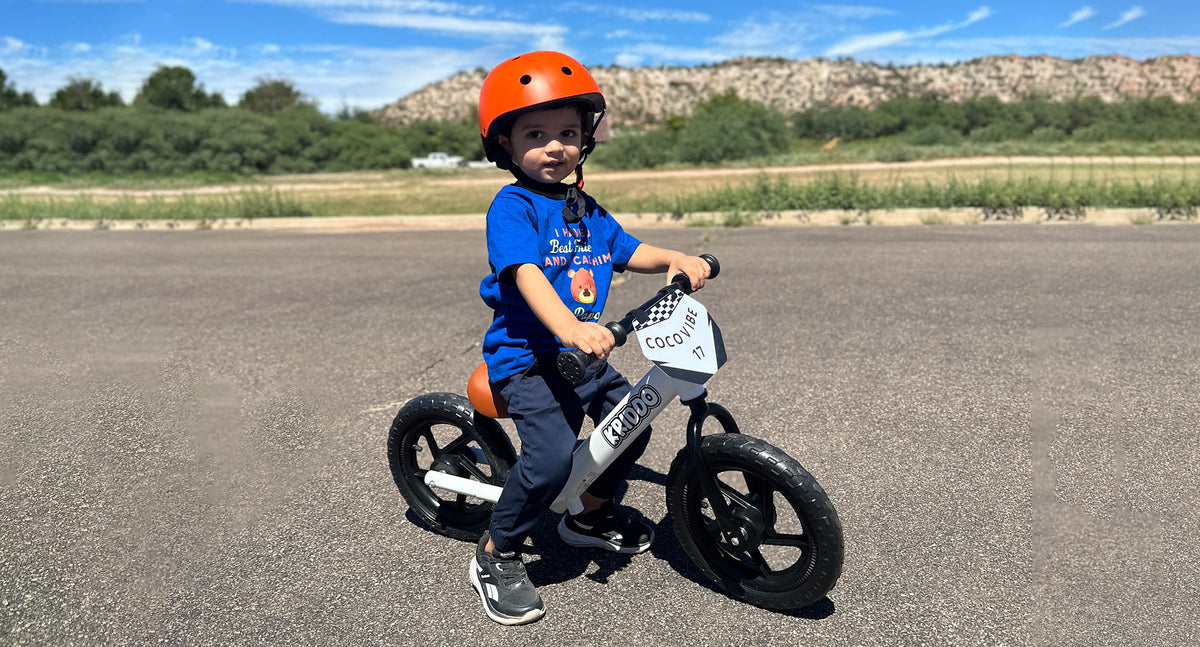
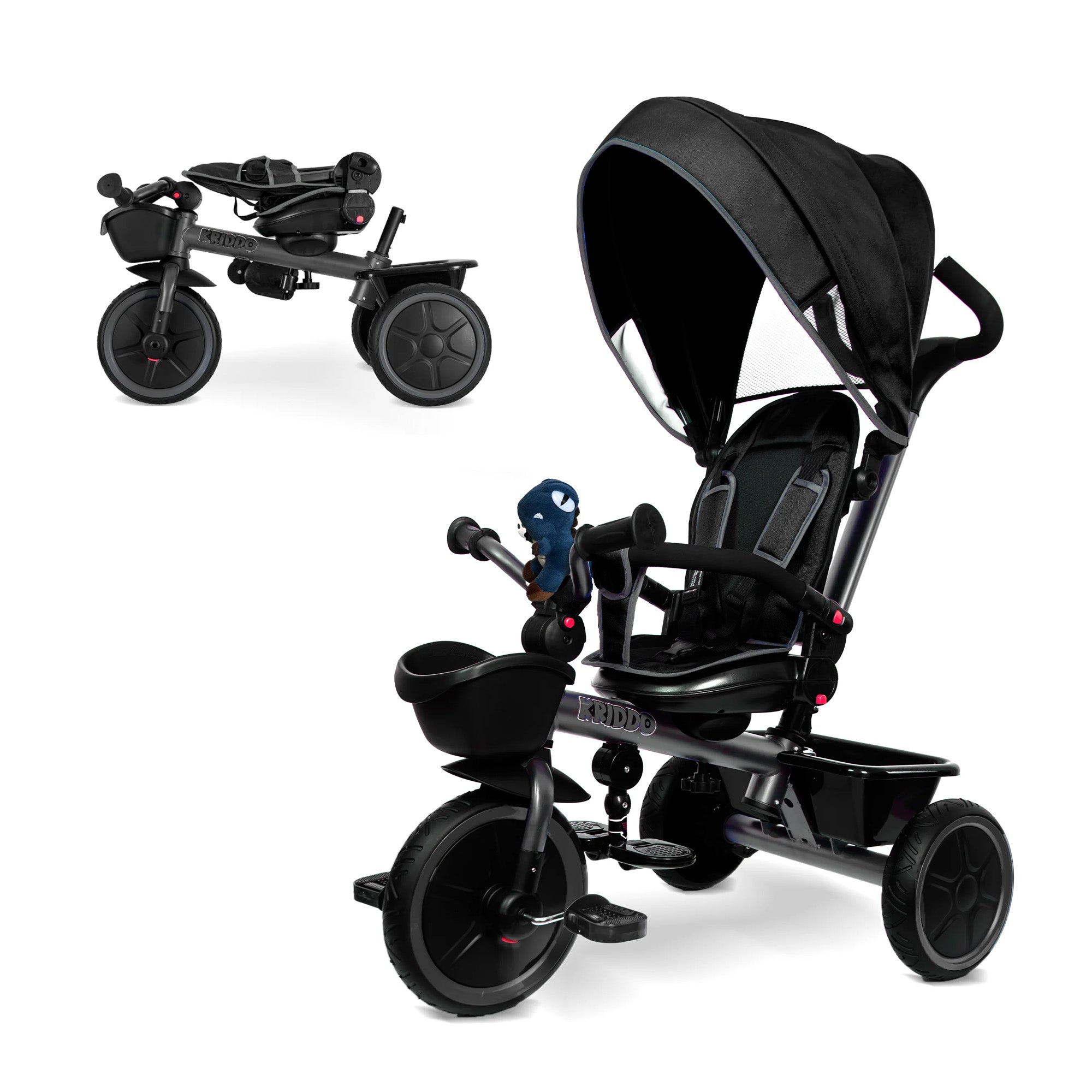
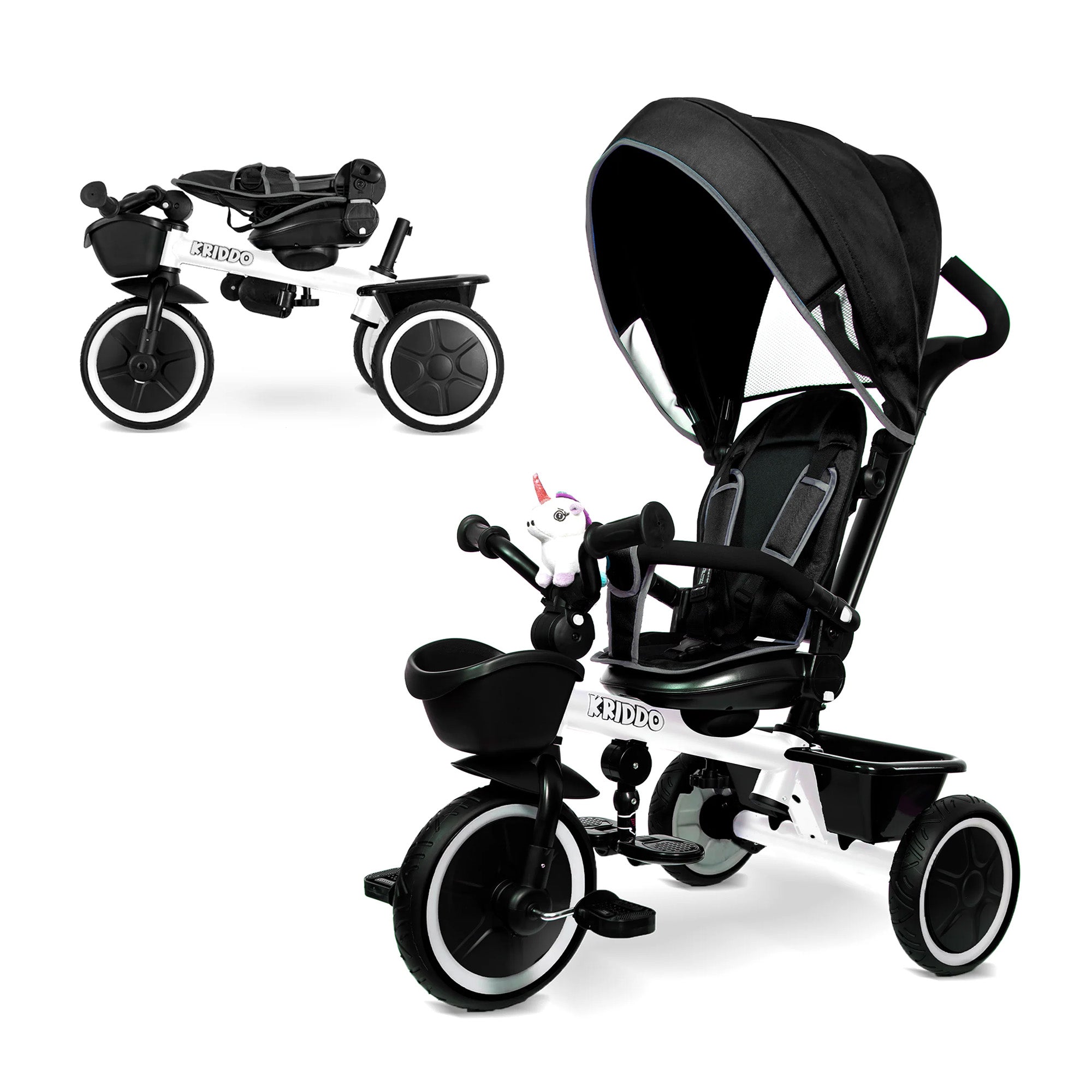
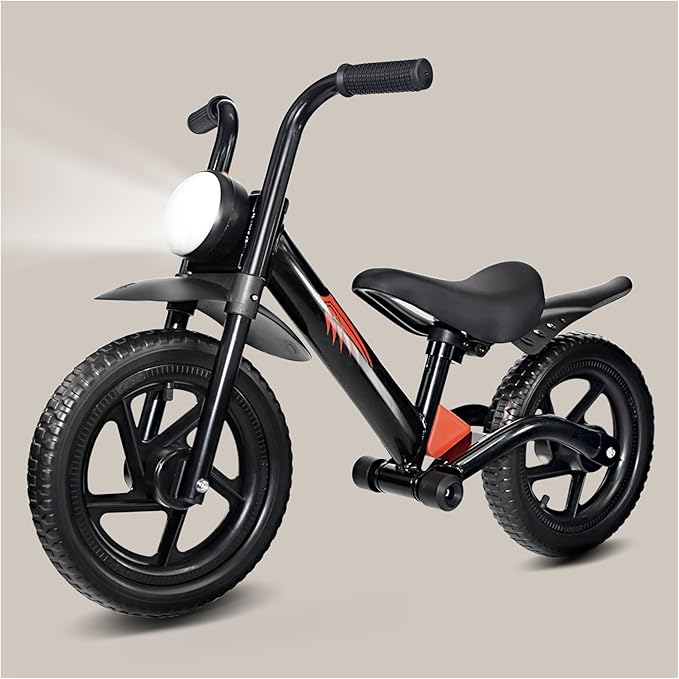
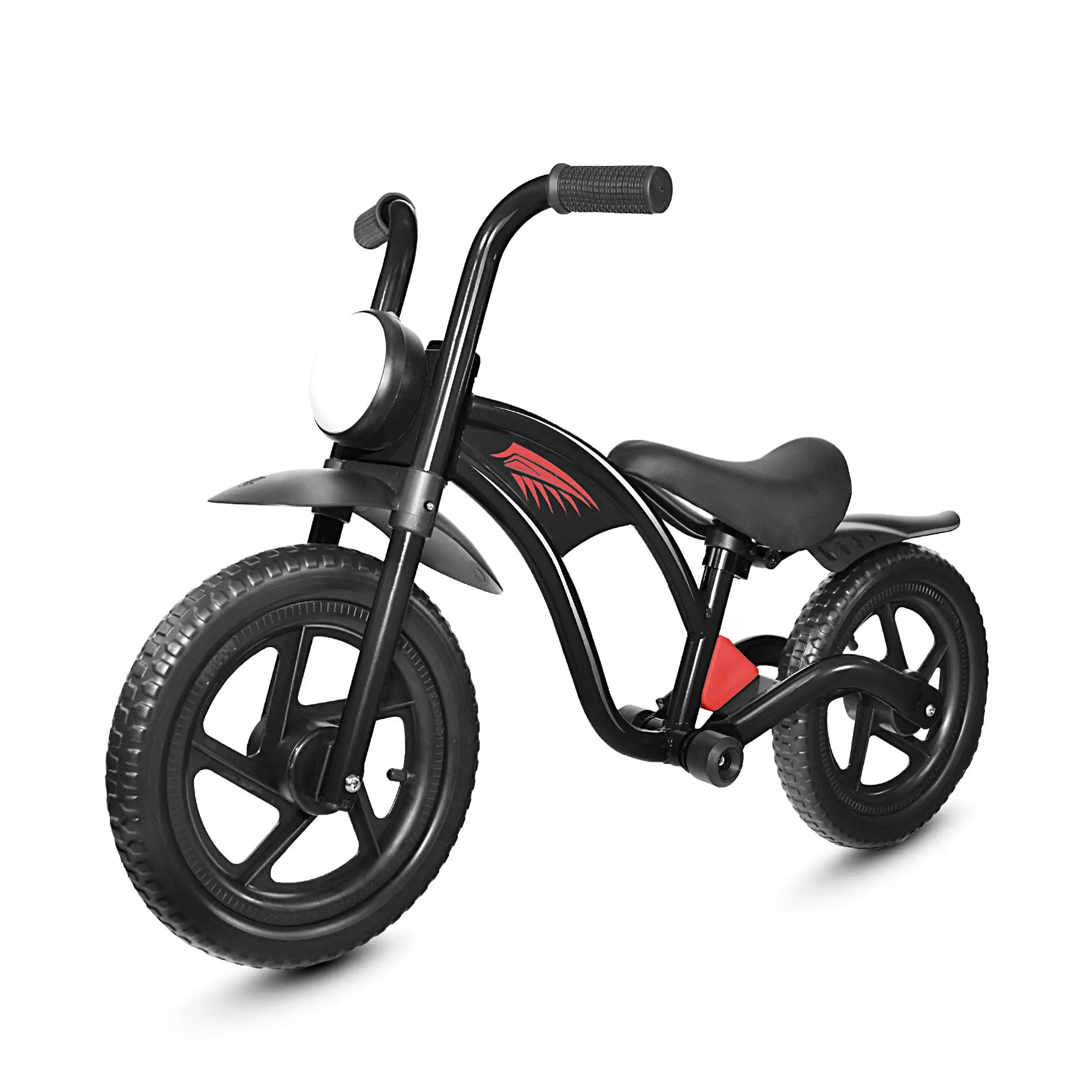
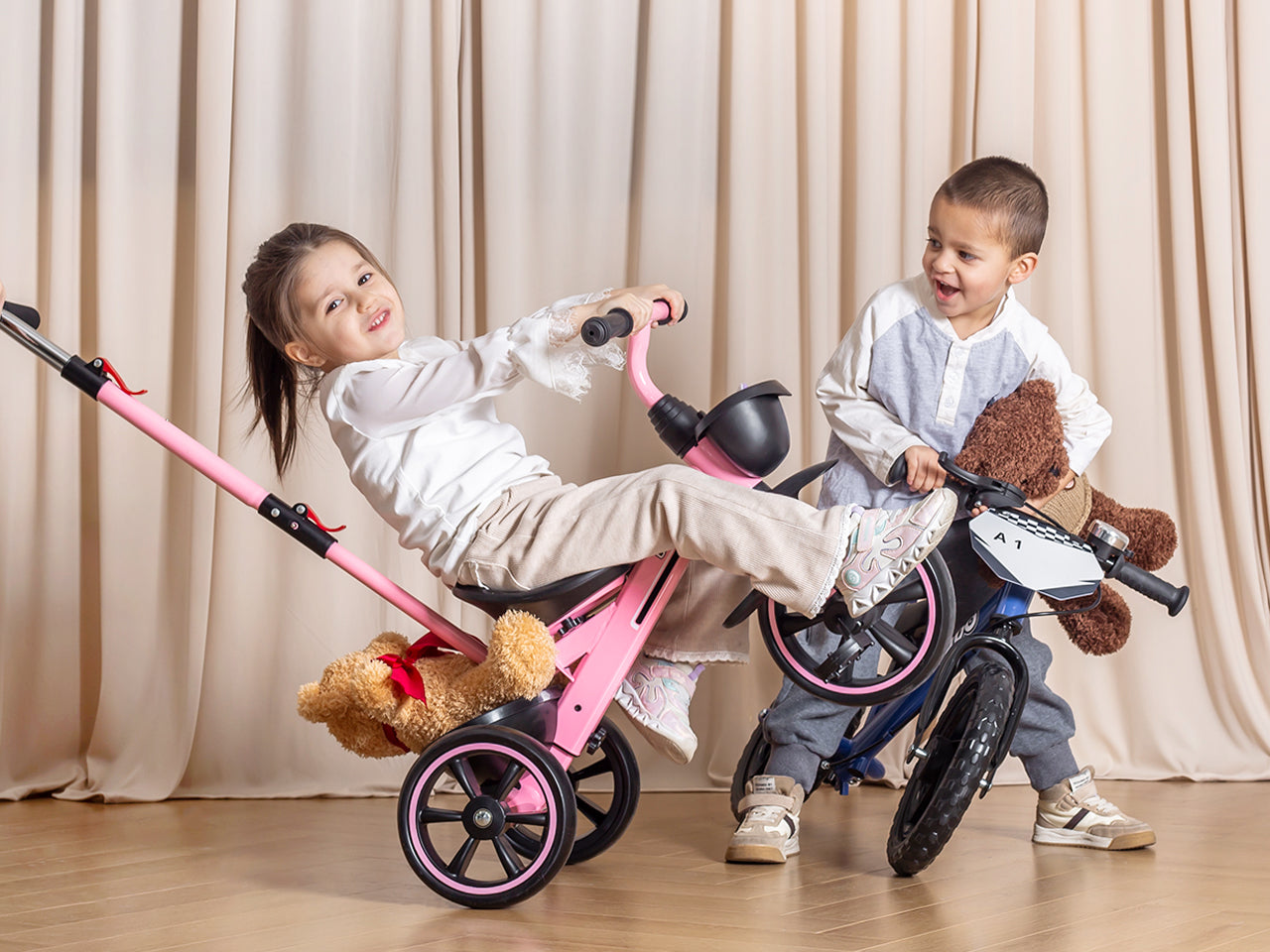
Large toys such as ride-on vehicles, push toys, tricycles, and balance bikes encourage children to develop coordination and body control.
Activities involving movement are an important part of childhood development, and options like kids’ tricycles and balance bikes allow children to practice physical skills while enjoying active play.
Where Electronic Toys Can Help
The discussion about electronic toys vs traditional toys does not mean electronic toys should be avoided.
Technology is part of children’s lives, and some electronic toys can offer meaningful learning opportunities.
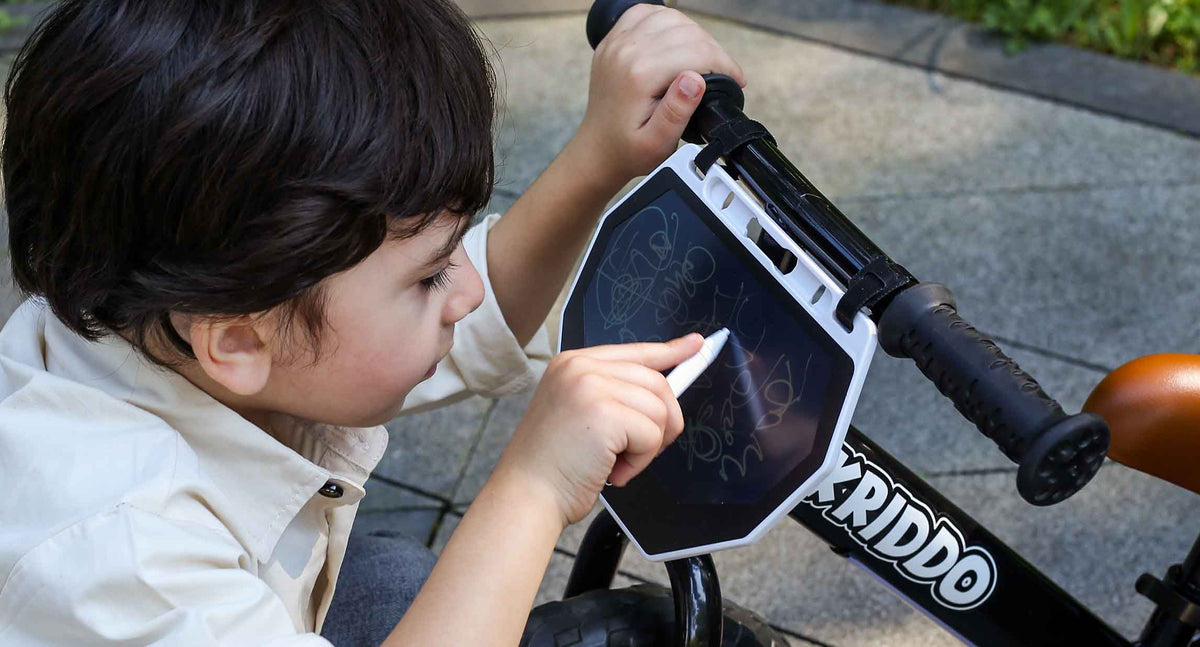
A coding robot can encourage logical thinking. A digital art tool can support creativity. An interactive music toy can help children explore sounds and patterns.
The most valuable electronic toys are usually those that require children to make choices.
Parents can ask:
Is my child creating something?
Are they solving problems?
Are they experimenting?
If the answer is yes, the toy is likely supporting active learning.
Finding Balance Between Electronic Toys and Traditional Toys
The best approach is often balance.
Traditional toys and electronic toys offer different experiences.
Traditional toys encourage imagination, hands-on learning, movement, and social interaction. Electronic toys can introduce children to technology, interactive learning, and digital skills.
The two can even work together.
A child might build a structure with traditional blocks and then use a programming toy to explore how machines work. A child might complete a physical puzzle and later play a digital game that reinforces similar ideas.
Rather than replacing one with the other, parents can create a play environment where both have a place.
Choosing the Right Toys for Your Child

When choosing toys, focus less on how impressive the toy looks and more on what it allows your child to do.
Ask yourself:
- Does my child make choices while playing?
- Can the toy be used in different ways?
- Does it encourage creativity?
- Does it support problem-solving or communication?
Helping children develop curiosity is also an important part of early learning. Toys that encourage children to ask questions, test ideas, and explore different possibilities can help them stay curious as they grow through everyday experiences.
Ultimately, the debate about electronic toys vs traditional toys is not about choosing old-fashioned toys over modern ones.
It is about giving children different ways to learn.
Traditional toys offer creativity and imagination. Electronic toys offer interactive exploration and technology experiences.
Together, they can provide children with a balanced play environment that supports learning, confidence, and growth.