








Activities for Kids Who Don’t Like Sports:
Real Options That Work
Connor | 19th, Mar
Let’s be honest—not every kid wants to chase a ball across a field. And that’s perfectly fine. Still, many parents feel that quiet pressure: if their child isn’t into sports, are they missing out? Will it affect confidence, friendships, even future opportunities?
Here’s the thing. Kids don’t need team sports to grow into capable, well-rounded individuals. What they do need is movement, creativity, and a sense of belonging. If your child avoids competitive games, there are plenty of activities for kids who don’t like sports that still build physical health, social skills, and confidence—just in a different way.
Let’s walk through what actually works.
Movement Without the Pressure (Yes, It Exists)

You don’t need a scoreboard to stay active. In fact, for many kids, removing competition makes all the difference.
Unstructured play—what some call “free play”—is often underestimated. But it’s powerful. Kids move naturally when they’re not being judged or coached.
Think about simple things:
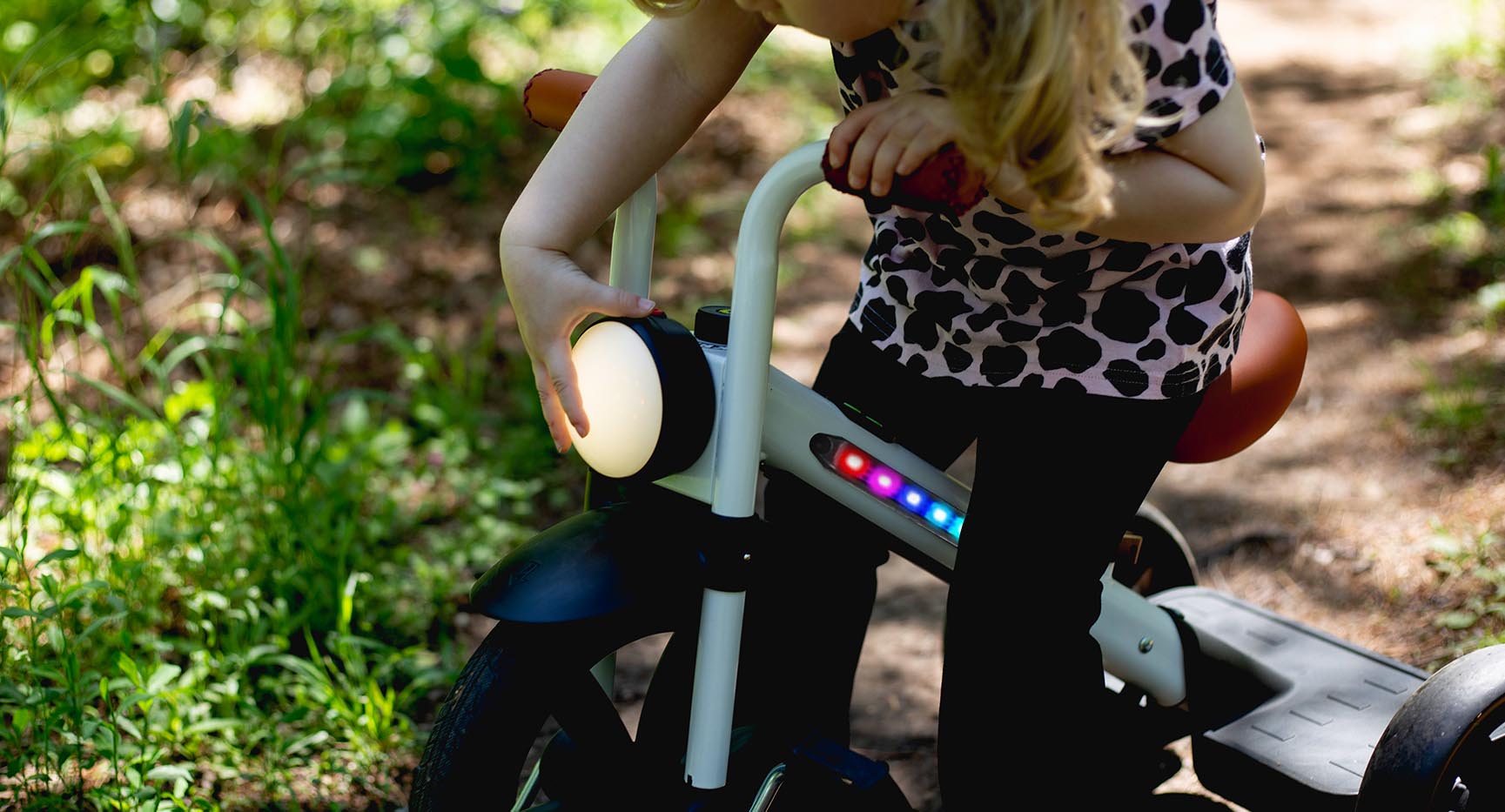
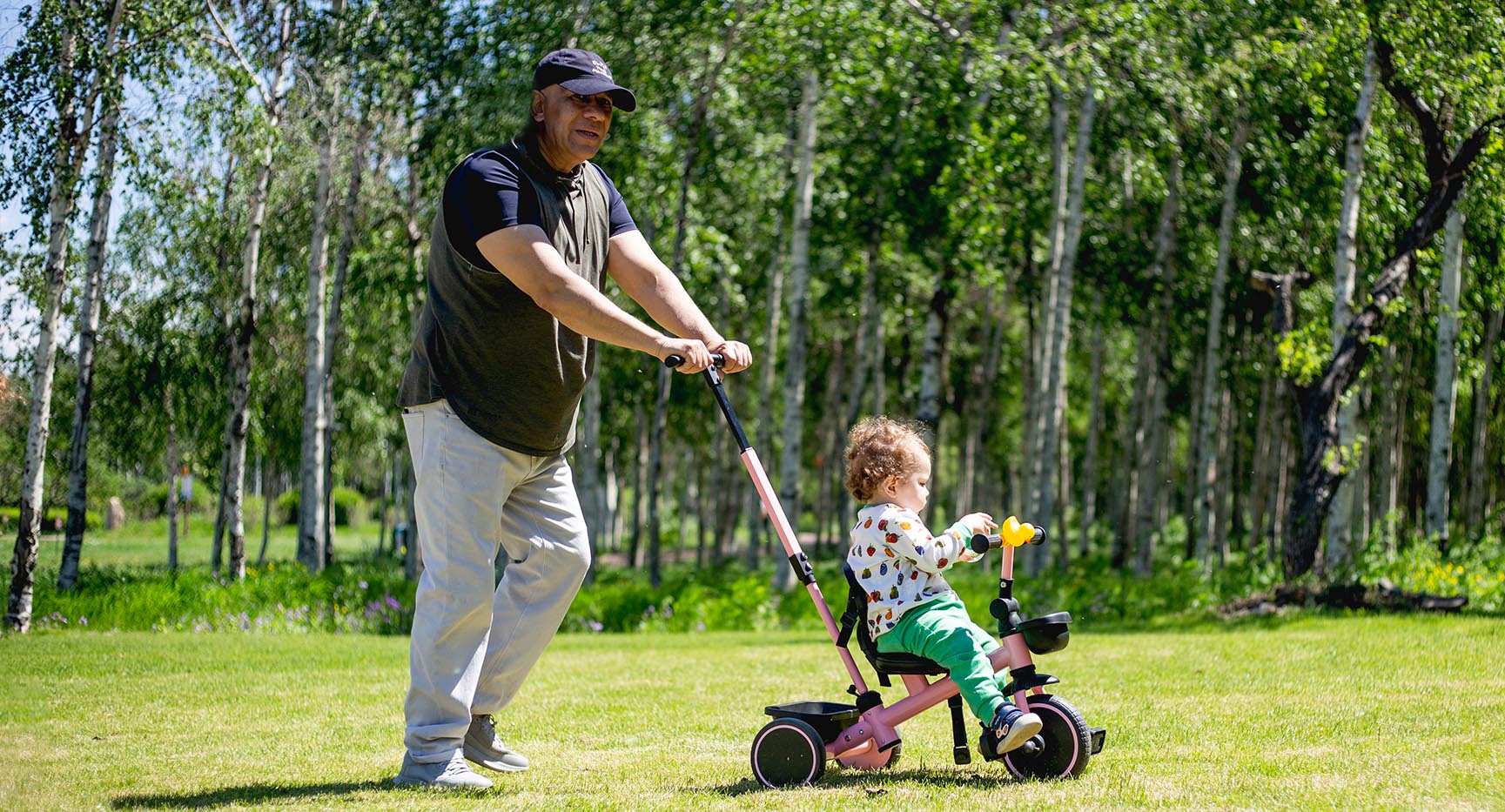
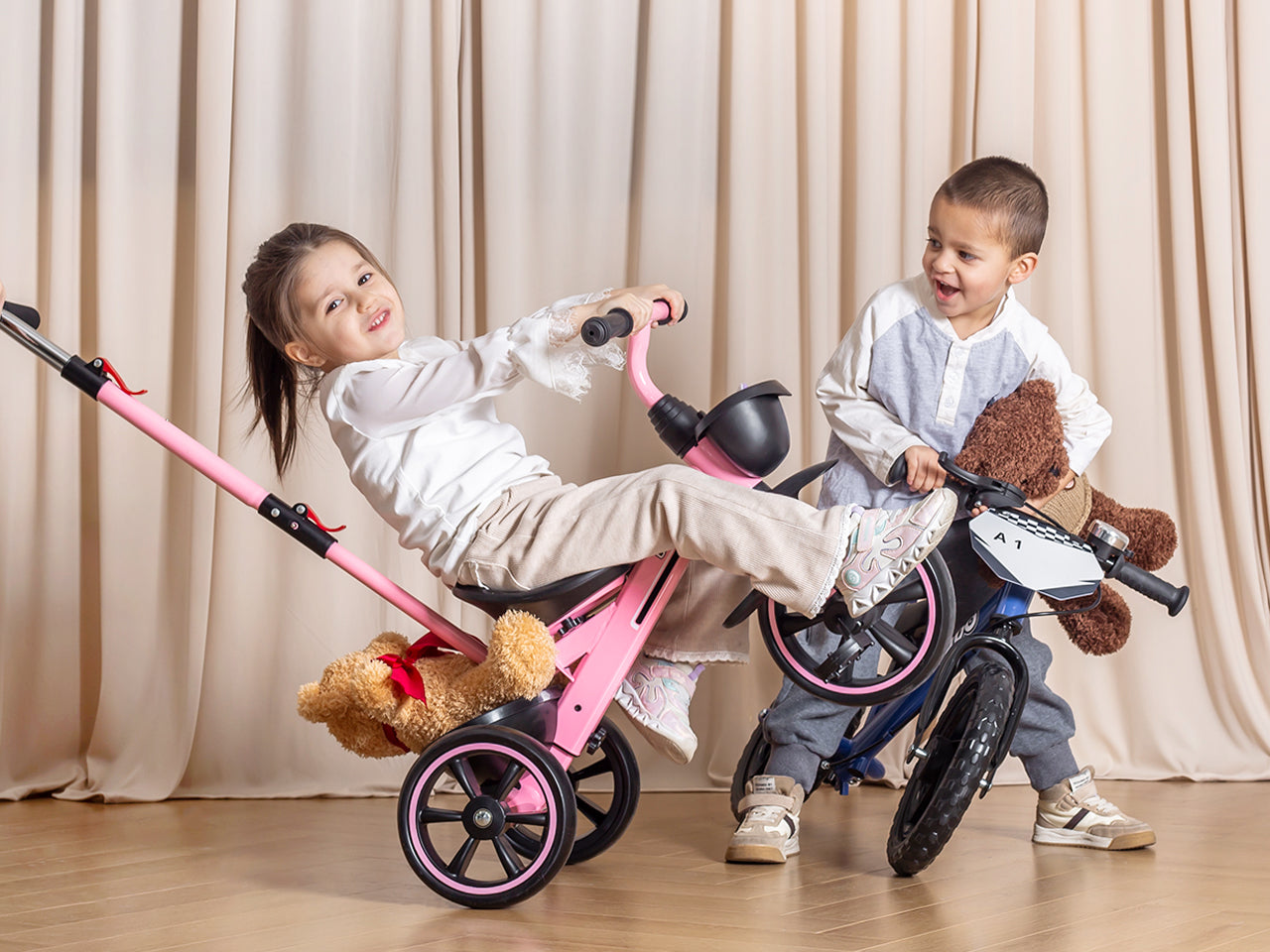
- Riding kids bikes
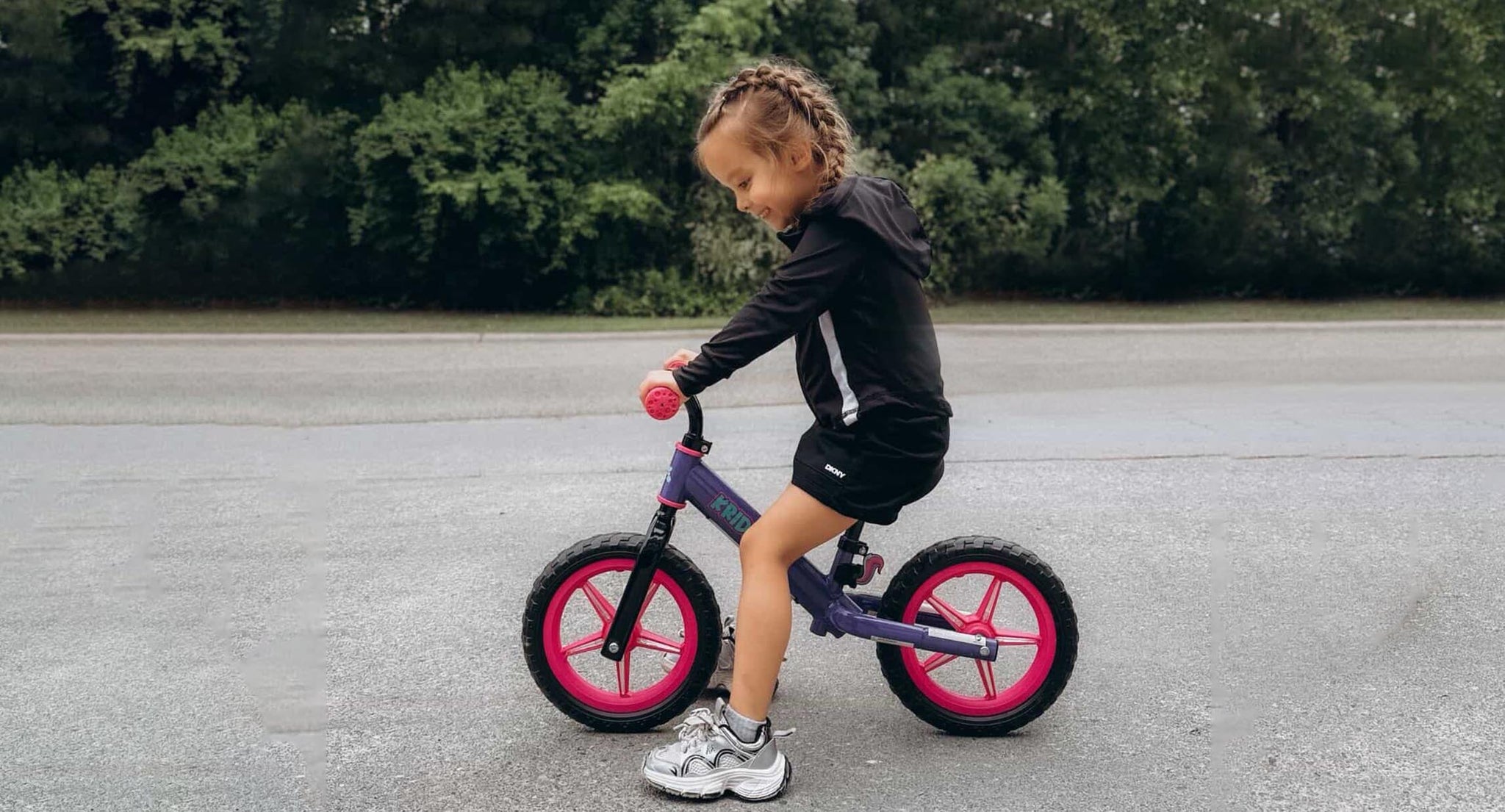
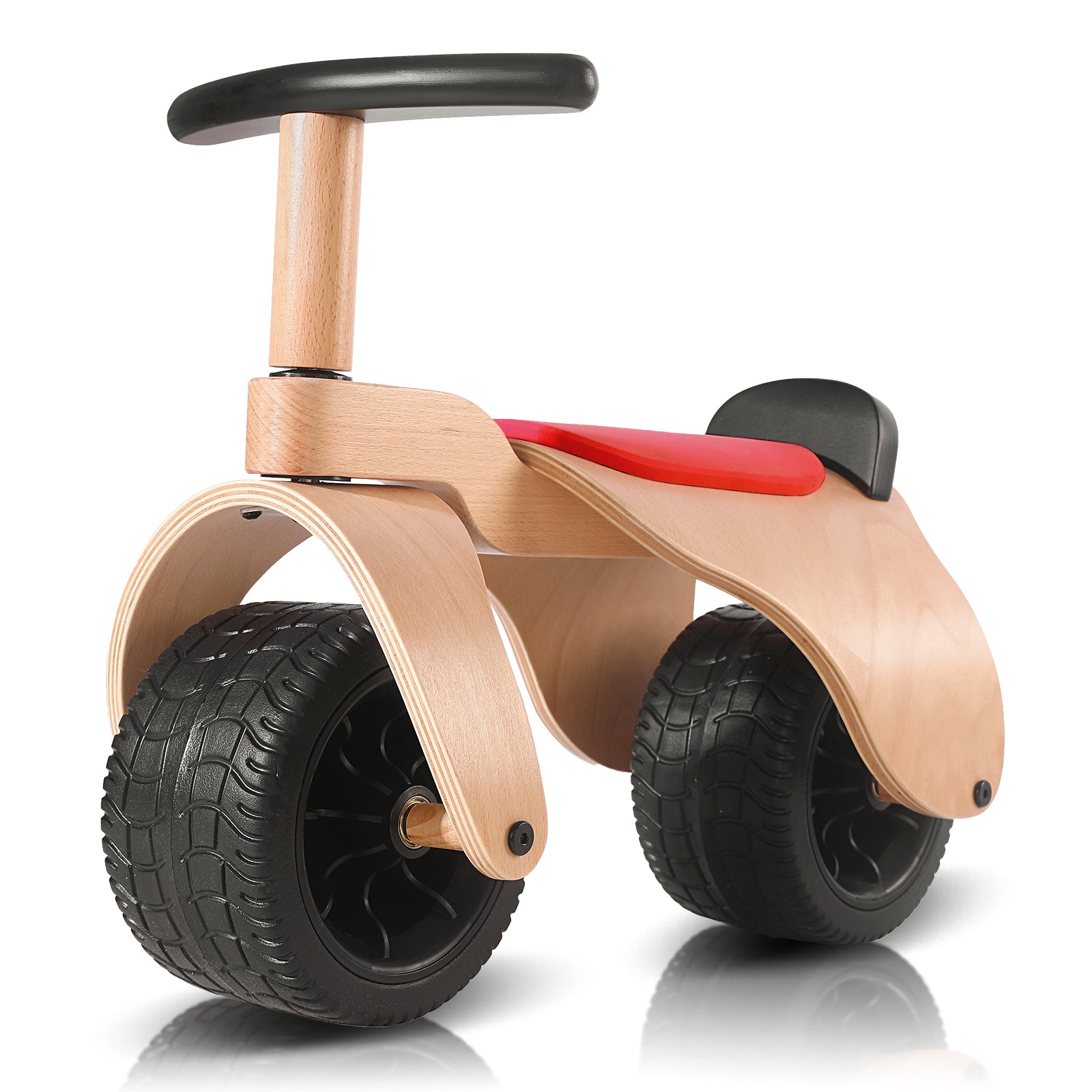
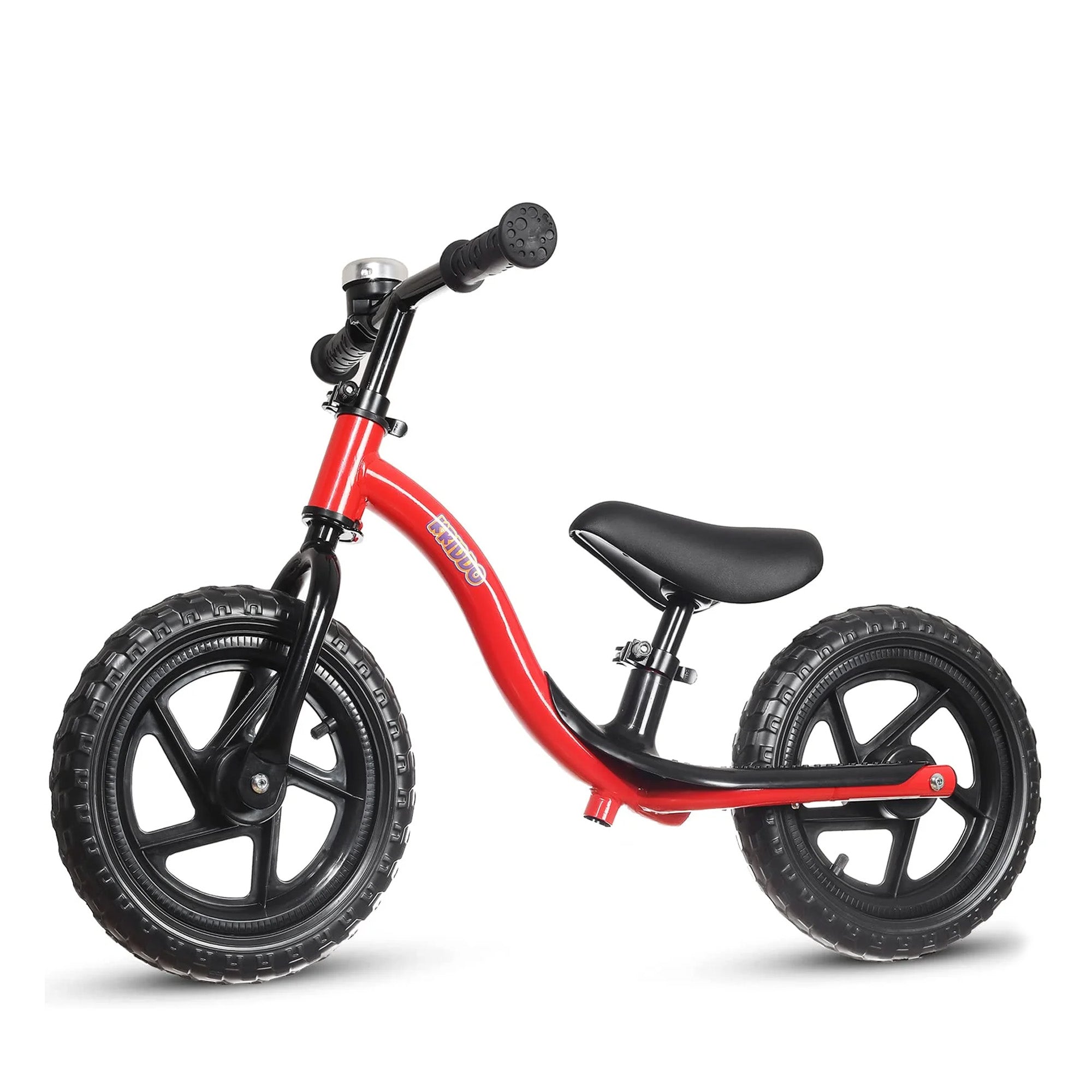
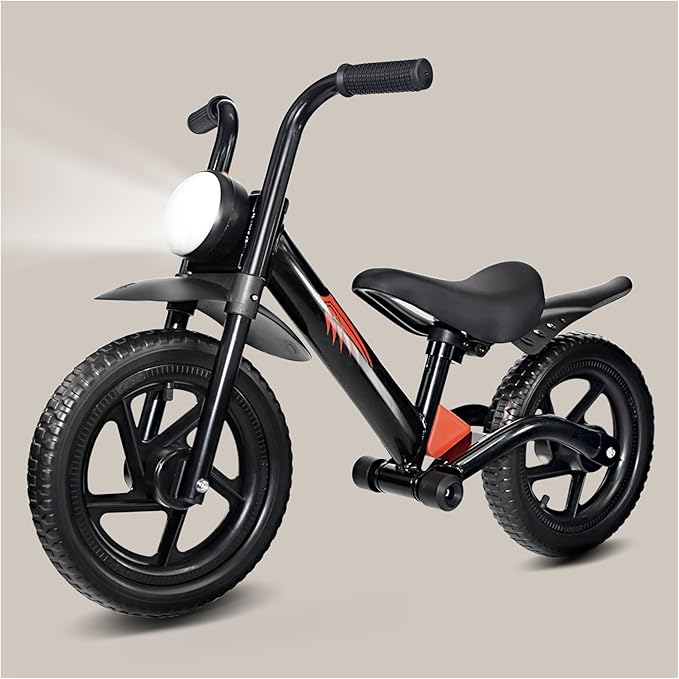
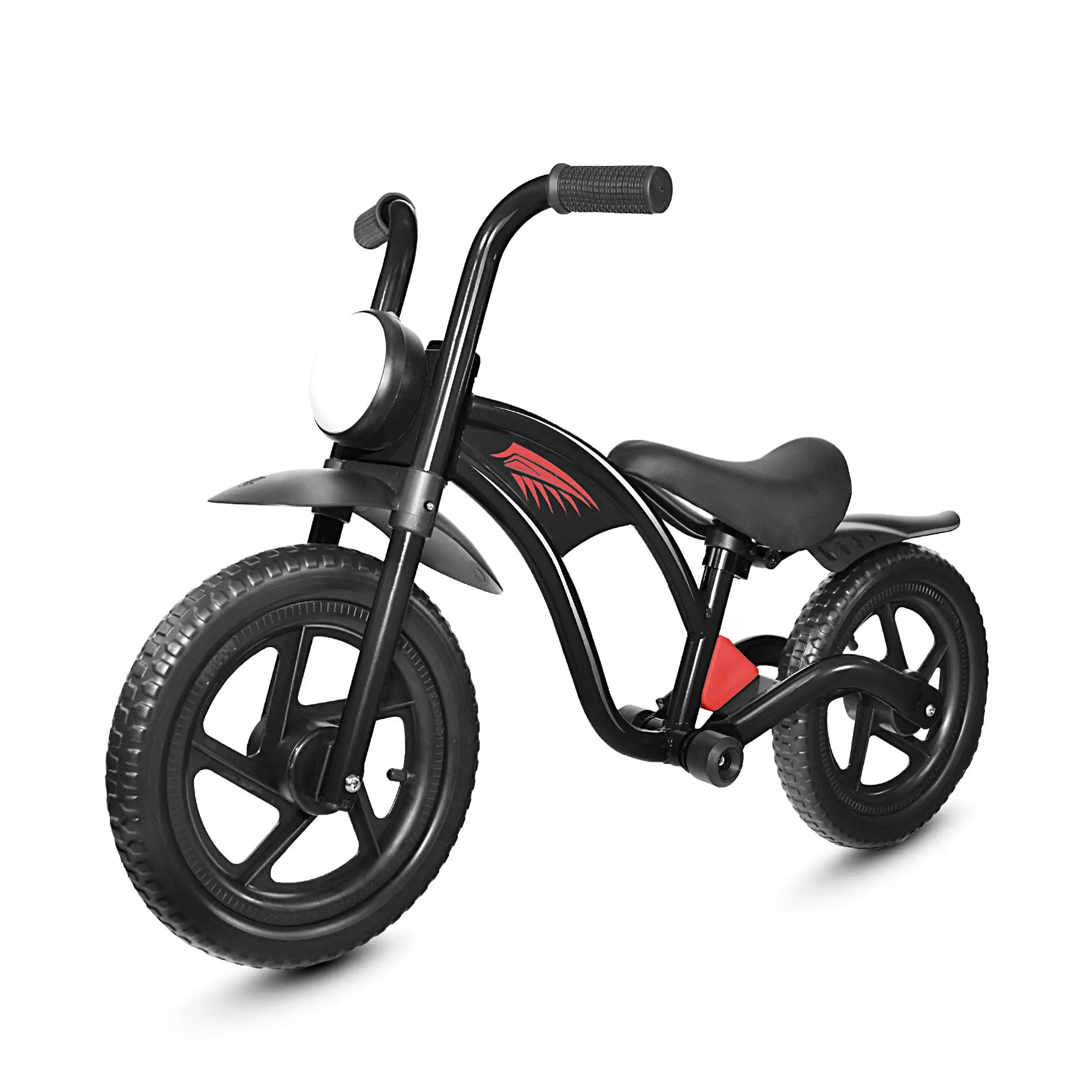
- Practicing on a balance bike
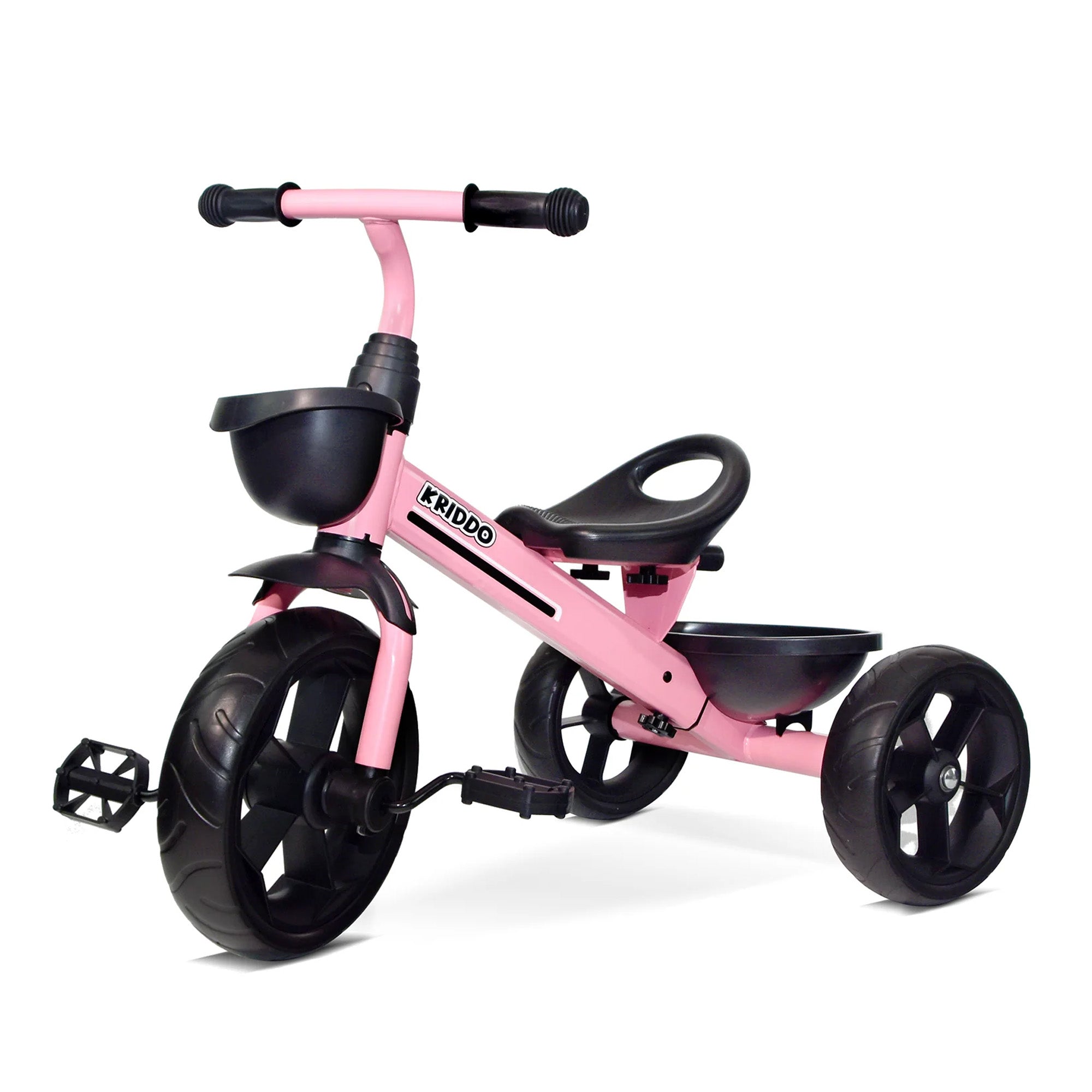
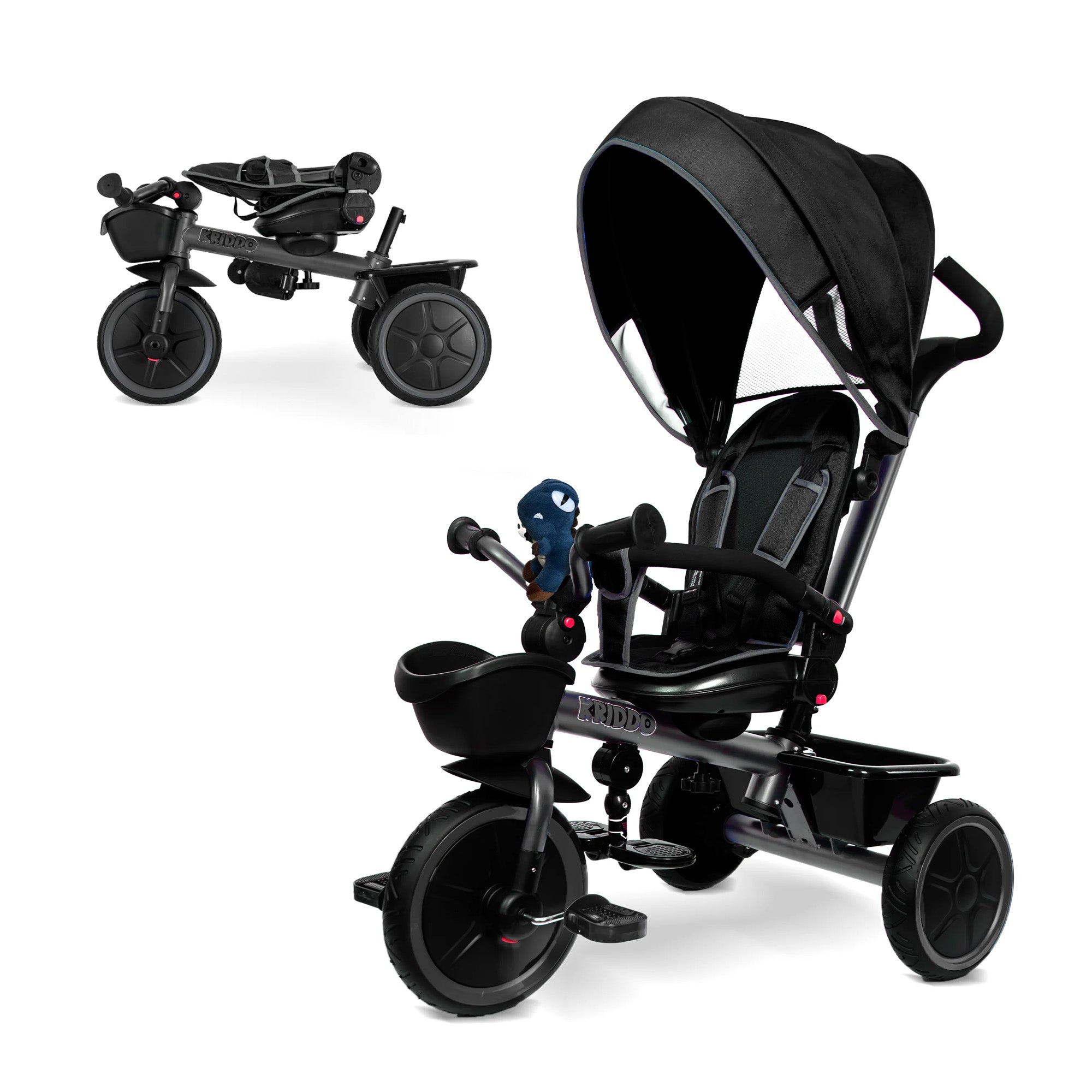
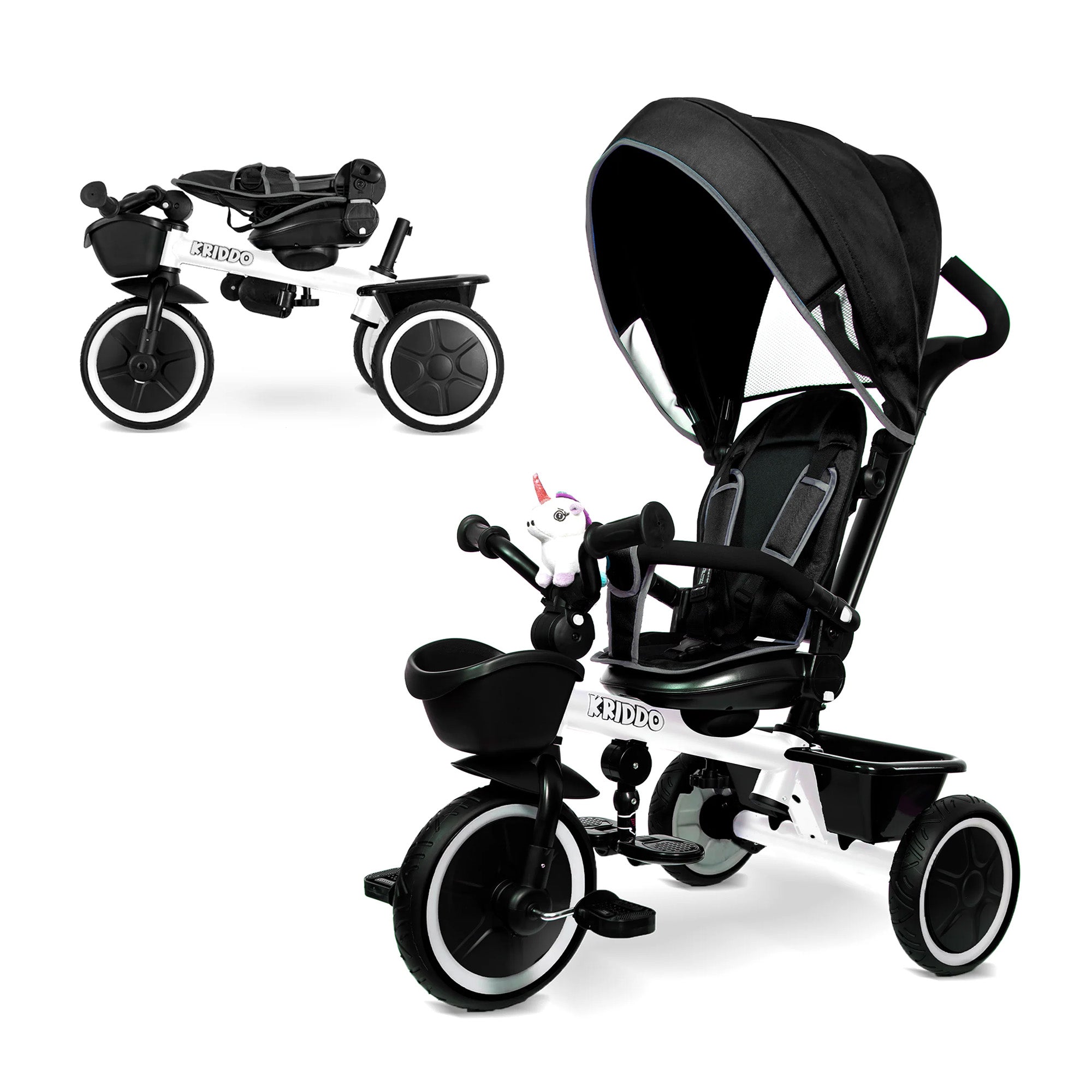
- Exploring with toddler tricycles
- Playing tag, hide-and-seek, or even dancing in the living room
These activities don’t come with expectations. No one’s keeping score. And yet, kids are building coordination, endurance, and confidence without even noticing.
Honestly, that’s the sweet spot.
Featured Products
Climbing Walls, Not Social Ladders
Indoor rock climbing has quietly become a favorite among kids who shy away from team sports—and it’s easy to see why.
It’s individual. It’s challenging. And most importantly, it’s self-paced.
A child can attempt the same route ten times without feeling like they’re letting anyone down. There’s no bench, no substitution, no pressure to perform for others. Just small, personal wins—one grip at a time.
What’s interesting is that climbing still offers social interaction. Kids chat, encourage each other, share tips. But the comparison? It fades into the background.
And for a child who’s used to feeling “not athletic enough,” that shift matters more than we think.
Wheels, Wind, and a Bit of Freedom
Cycling hits a unique balance—it’s both independent and social.
A child can ride solo, exploring their neighborhood at their own pace. Or they can join family rides and feel part of something shared. There’s no rigid structure, no drills. Just movement and a bit of adventure.
Using well-designed options like those from KRIDDO can make a noticeable difference. When equipment fits properly and feels safe, kids are more willing to try—and stick with it.
Beyond the physical benefits, cycling teaches subtle life skills:
- Spatial awareness
- Decision-making
- Confidence in unfamiliar settings
And let’s not ignore the emotional side. There’s something about riding—wind in your face, wheels spinning—that just feels freeing.
Skate, Glide, Repeat

Now, this one tends to surprise parents.
A kids scooter or skateboard might not seem like a structured activity, but for many kids, it becomes a passion.
Why? Because it blends creativity with movement.
There’s no “right way” to ride. Kids experiment. They fall. They try again. Over time, they develop balance, coordination, and resilience—without anyone telling them how to do it.
Of course, safety gear matters. Helmets, pads, the basics. But once that’s covered, kids can explore freely—whether it’s at a park, sidewalk, or driveway.
And yes, it looks cool. That helps too.
Featured Products
Music: The Quiet Confidence Builder
Not every activity has to be physical to be meaningful.
Music offers something different—expression, discipline, and emotional release.
Learning an instrument today isn’t what it used to be. Kids aren’t just practicing scales; they’re playing songs they recognize, experimenting with sound, even creating their own music.
Options are wide open:
- Piano
- Guitar
- Violin
- Voice lessons
And here’s a subtle benefit—performance confidence. Whether it’s a small recital or just playing for family, kids learn how to share something personal without the pressure of competition.
For some children, that’s far more valuable than scoring a goal.
STEM Clubs: Where Curiosity Wins
If your child lights up when solving problems or building things, STEM-based activities might be the perfect fit.
These include:
- Coding workshops
- Robotics teams
- Chess clubs
- LEGO building groups
They’re engaging, hands-on, and often collaborative—but without the physical intensity of sports.
Local libraries and community centers frequently host these programs, making them accessible and low-pressure.
And while they may not involve running or jumping, they develop critical thinking, patience, and teamwork in a different form.
Let me put it this way: not all growth is visible. Some of it happens quietly, in focused moments of curiosity.
Dance: Movement That Feels Like Play

Here’s something parents sometimes overlook—kids who dislike sports often love movement, just not in a structured, competitive format.
Dance bridges that gap.
Whether it’s ballet, hip-hop, jazz, or even freestyle sessions at home, dance allows kids to move without rules that feel restrictive.
There’s rhythm, expression, and just enough structure to guide improvement.
And for kids who are hesitant at first? Give it time. Once they connect with the music, something shifts.
It stops feeling like an “activity” and starts feeling like fun.
Theater and Role Play: More Than Just Acting
Kids naturally gravitate toward storytelling. Dress-up games, imaginary worlds, playful dialogue—it’s all part of how they process the world.
Structured drama activities build on that instinct.
Through theater, kids learn:
- Communication skills
- Emotional awareness
- Problem-solving through improvisation
And unlike sports, success isn’t measured by speed or strength. It’s about expression, creativity, and presence.
Even shy kids often find their voice here. Not all at once—but gradually, scene by scene.
A Quick Reality Check (Because It Matters)
Parents sometimes worry: If my child doesn’t play sports, will they fall behind?
Short answer—no.
Colleges, communities, and future employers value diverse experiences. A child who commits to music, robotics, or creative arts is developing discipline and passion—just in a different lane.
In fact, forcing a child into sports they dislike can backfire. It may lower confidence instead of building it.
So yes, encouraging activity is important. But forcing a specific type of activity? That’s where things get tricky.
So, What Should You Do?

Start simple.
Watch what your child gravitates toward. Are they drawn to movement, creativity, building, or performing?
Then experiment—without pressure. Try a class. Visit a park. Let them test different activities for kids who don’t like sports until something clicks.
And when it does? Support it fully.
Because confidence doesn’t come from doing what everyone else is doing. It comes from finding something that feels right—and sticking with it.