





8 New Parent Tips:
What No One Prepares You For
Camila | 13th, Apr
I still remember one night—around 2:17 a.m.—standing in the kitchen, holding a crying baby in one arm and a cold cup of coffee in the other. I had no idea what I was doing. None. And yet… somehow, we were getting through it.
If you’re a new parent, you probably know that feeling.
It’s love. It’s chaos. It’s wondering if you’re doing anything right—and then melting the moment your baby smiles at you.
This guide isn’t about perfection. It’s about what actually helps when life with a newborn (and eventually a toddler) gets unpredictable, loud, and surprisingly funny.
1. When the Guilt Creeps In (and It Will)

Let’s start here, because honestly… this one hits hard.
You scroll through Instagram or Facebook, and suddenly every other parent seems calm, organized, glowing. Their baby sleeps through the night. Their house looks spotless. Their toddler eats vegetables without negotiation.
Meanwhile, you’re reheating the same coffee for the third time.
Here’s the truth: what you’re seeing is a highlight reel.
According to child development guidance often shared through organizations like the CDC, every child grows at their own pace—and every family adapts differently. That includes you.
You know what? It’s okay to feel unsure. It’s okay to have moments where you think, “I should be better at this.”
But parenting isn’t a performance. It’s a relationship.
So instead of comparing:
- Focus on your baby’s needs
- Notice your own effort (yes, it counts)
- Celebrate tiny wins—like surviving a tough morning
Honestly, some days success just means everyone ate and nobody cried for 10 minutes straight. That counts.
2. Your House Will Never Be That Clean Again (And That’s Fine)
If you used to love a perfectly tidy home… I have news.
Babies don’t just live in your space—they completely redefine it.
One minute everything is organized, and the next:
- There are burp cloths everywhere
- Toys appear in places you didn’t even go
- Laundry becomes a permanent background activity
It feels like a tiny tornado visits your house multiple times a day.
And at first, you might fight it. You’ll buy bins, organizers, labels…
Honestly? I did too.
But eventually, something shifts. You realize the mess is a byproduct of something meaningful. Your home is active. Lived in. Growing.
So instead of chasing perfection:
- Pick a few “anchor areas” to keep functional (kitchen, sleep space)
- Let the rest be flexible
- Give yourself permission to stop fixing everything
Because the truth is—this phase doesn’t last forever. Even if it feels endless right now.
3. Building a Bedtime Routine (Even When It Feels Impossible)
Sleep. The thing everyone talks about… and nobody fully explains.
In the early months, routines feel like a myth. Your baby wakes randomly, naps unpredictably, and somehow senses exactly when you’ve just fallen asleep.
But slowly—very slowly—patterns start to form.
And this is where a simple bedtime routine helps.
Not a perfect one. Just a consistent one.
It might look like:
- A warm bath
- Pajamas
- A short story
- A quiet song
That’s it.
According to pediatric sleep recommendations often referenced by the American Academy of Pediatrics, consistent routines help signal safety and predictability to children—even from a very young age.
And here’s the thing: it’s not just for your baby.
You need that rhythm too.
Even if the routine “fails” some nights (and it will), stick with it. Over time, it becomes a signal: we’re winding down now.
4. Stop Comparing Milestones (Seriously)

This one can sneak up on you.
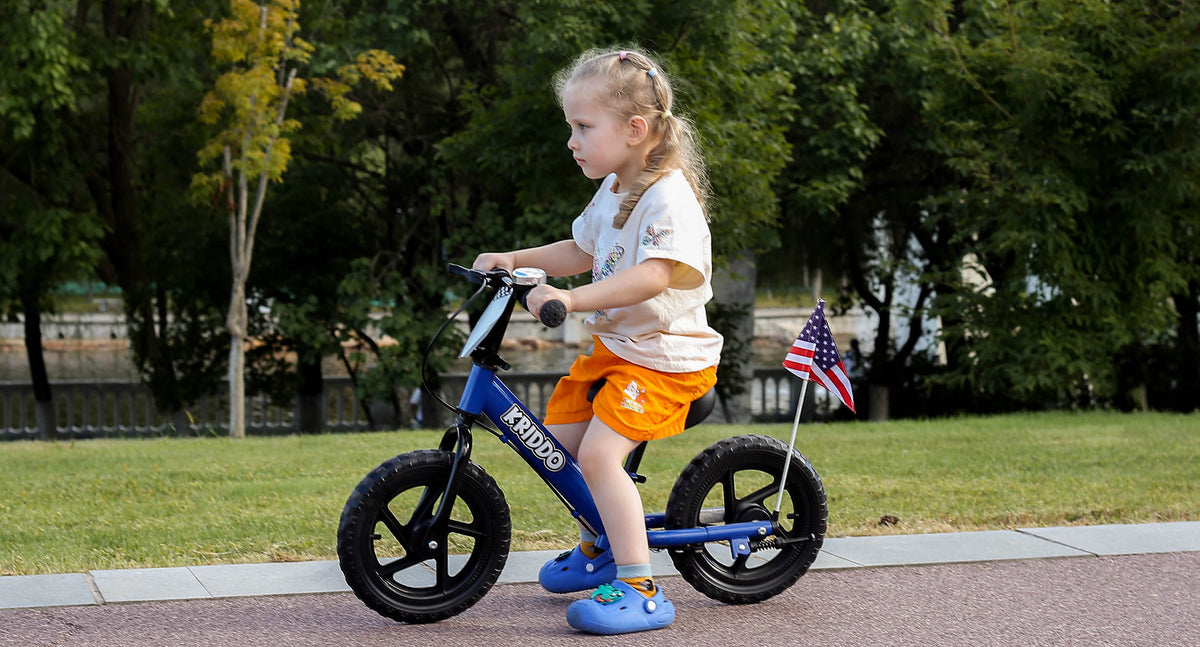
You’re at a park, and another child the same age is already running, talking, maybe even riding a small bike.
And your brain goes: Wait… should my child be doing that?
Take a breath.
Development isn’t a race.
Some kids walk early but talk later. Others observe quietly before jumping into everything at once. It’s not linear—and it’s definitely not competitive.
Instead of comparing:
- Notice what your child is doing
- Encourage curiosity, not pressure
- Celebrate progress, not timing
And yes, eventually your child will want to explore things like riding.
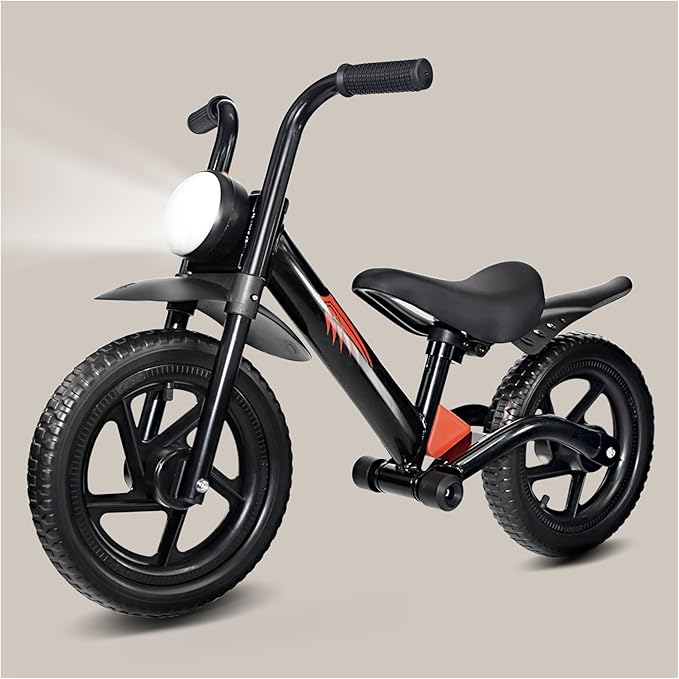
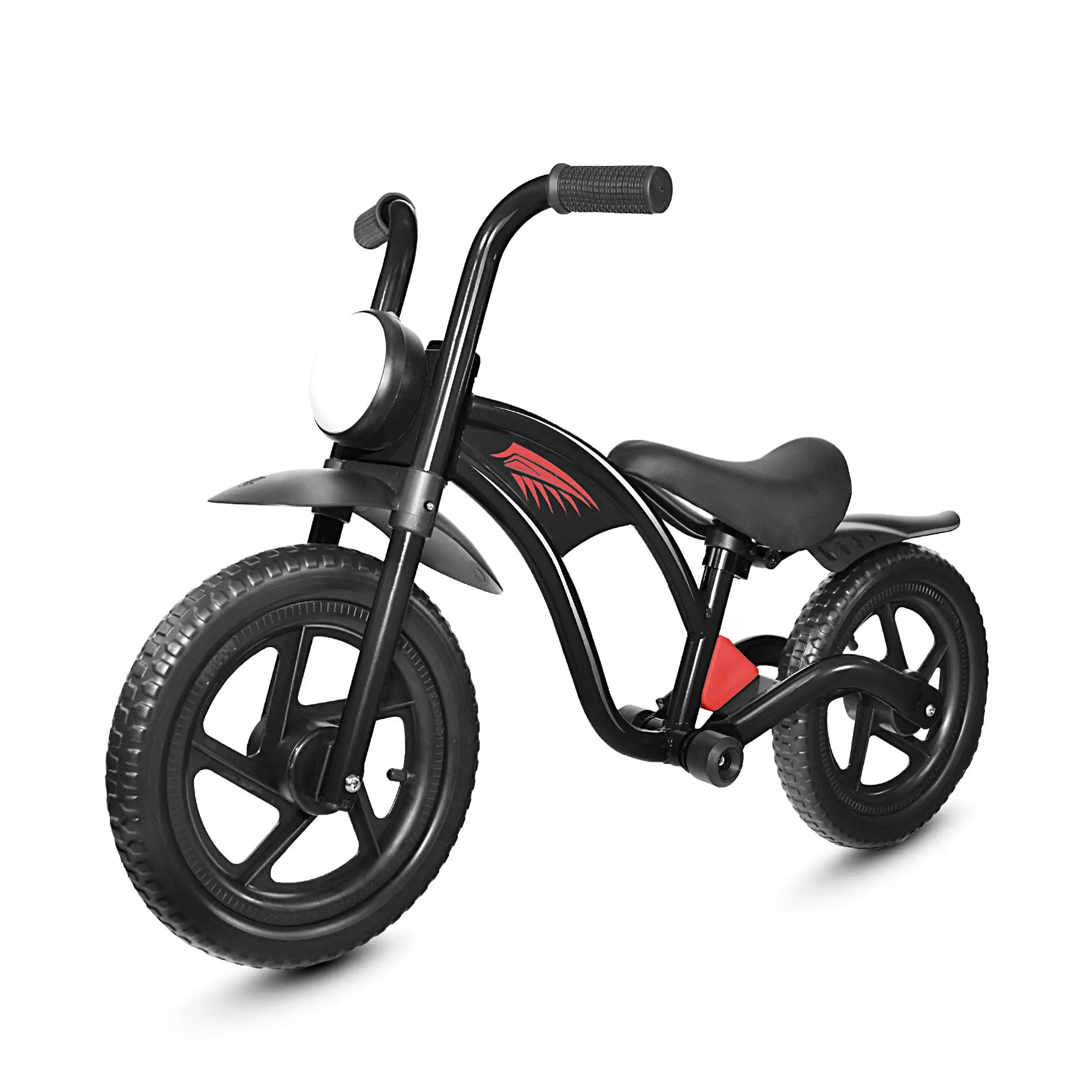
When that time comes, many parents find tools like balance bikes helpful—not as a “performance booster,” but as a way to support natural coordination and confidence.
If you’re exploring that stage, you might come across options like
KRIDDO’s balance bikes.
What matters most isn’t the brand—it’s whether:
- Your child feels stable
- The bike fits their size
- They enjoy the experience
And honestly? Some kids take to it immediately. Others don’t. Both are normal.
Later, as skills grow, simple activities can help build confidence gradually.
But again—no rush.
5. Fresh Air Helps More Than You Think
There were days I didn’t want to leave the house. Everything felt like too much—getting dressed, packing a bag, timing naps…
But almost every time I did step outside, something shifted.
Even a short walk can:
- Calm a fussy baby
- Reset your mood
- Break the “same room all day” feeling
You don’t need a big outing.
Try:
- Sitting on your porch for 5 minutes
- Walking around the block
- Letting your baby look at trees, light, movement
It sounds simple, maybe even too simple.
But honestly? It works.
6. Finding Ways to Handle Stress (Because It Builds Up Fast)

Parenting a newborn is physically demanding. But emotionally? That’s where it really hits.
There’s pressure. Noise. Sleep deprivation. Doubt.
And sometimes, that quiet thought: Am I doing enough?
One small shift that helps: stop saying “I should have…”
That’s it.
You don’t need a full wellness routine. Just small, repeatable resets:
- Deep breaths while holding your baby
- A few minutes of stretching
- Listening to music during feeding
Some parents explore mindfulness or gentle yoga—not as a lifestyle, but as a survival tool.
Because your state matters.
Babies are incredibly perceptive. They pick up on tension, tone, energy.
A calmer parent doesn’t mean a perfect parent—it just means you’re taking care of both of you.
7. Trusting Your Instincts (Even When Advice Is Everywhere)
Once you have a baby, advice comes from everywhere.
Doctors. Family. Friends. Strangers in grocery stores.
Some of it is helpful. Some of it… not so much.
And it can get confusing fast.
Here’s a simple filter:
- Medical advice → listen carefully (especially pediatricians)
- Personal opinions → consider, but don’t absorb blindly
Because at the end of the day—you know your child best.
If something feels off, trust that feeling.
If something works for your baby (even if it’s unconventional), that matters too.
And yes, sometimes the unexpected advice—like something from that one quirky relative—turns out to be surprisingly useful.
Parenting is part science, part instinct.
Both matter.
8. The Power of a Simple List

This might sound small, but it’s one of the most practical things you can do.
Write things down.
Because when you’re:
- Feeding
- Burping
- Changing diapers
- Trying to remember what day it is
A simple list helps you:
- Offload mental clutter
- Remember non-urgent tasks
- Feel a little more in control
It doesn’t have to be organized.
Mine wasn’t.
Sometimes it was just:
- “Buy more wipes”
- “Call pediatrician”
- “Try to nap (maybe?)”
And honestly, that was enough.
Final Thought: You’re Doing Better Than You Think
There’s no perfect way to do this.
Some days will feel smooth. Others will feel completely overwhelming.
But if your baby is loved, cared for, and safe—you’re already doing something right.
Actually, you’re doing a lot right.