




How to Encourage Kids to Exercise
(Without Turning It Into a Chore)
Tina | 5th, Jan
Getting kids to move more sounds simple… until you actually try it.
One minute your child is racing through the house pretending to be a dinosaur, and the next they’re completely glued to a tablet. A lot of parents worry about this, especially because regular movement plays such a huge role in healthy physical development in early childhood. According to the American Heart Association, kids ages 6–17 should get at least 60 minutes of moderate to vigorous activity every day.
But honestly? Knowing the recommendation and getting kids excited about exercise are two very different things.
The good news is that learning how to encourage kids to exercise usually has less to do with “fitness” and more to do with fun, routine, and everyday family life. Small changes matter. Sometimes a simple walk after dinner or a scooter ride around the block becomes the thing they look forward to all day.
Start Small Instead of Going All In
One of the biggest mistakes parents make when figuring out how to encourage kids to exercise is trying to change everything overnight.
A child who rarely moves isn’t suddenly going to love hour-long workouts or organized sports practices five days a week. Honestly, most adults wouldn’t either.
Instead, start with something manageable:
- a short family walk
- dancing in the living room
- ten minutes at the playground
- kicking a soccer ball around the yard
As kids build confidence and stamina, they naturally want to do more.
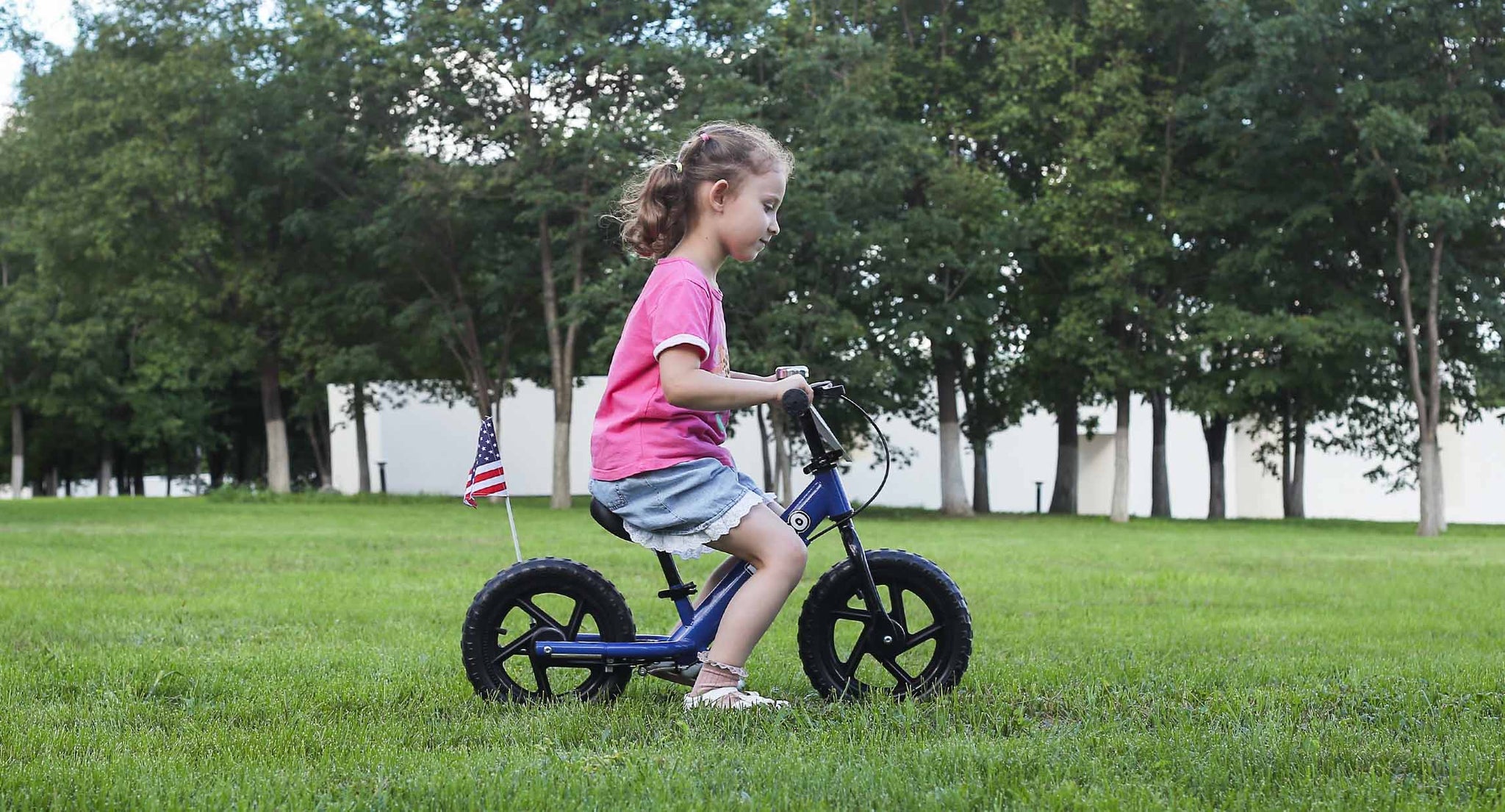
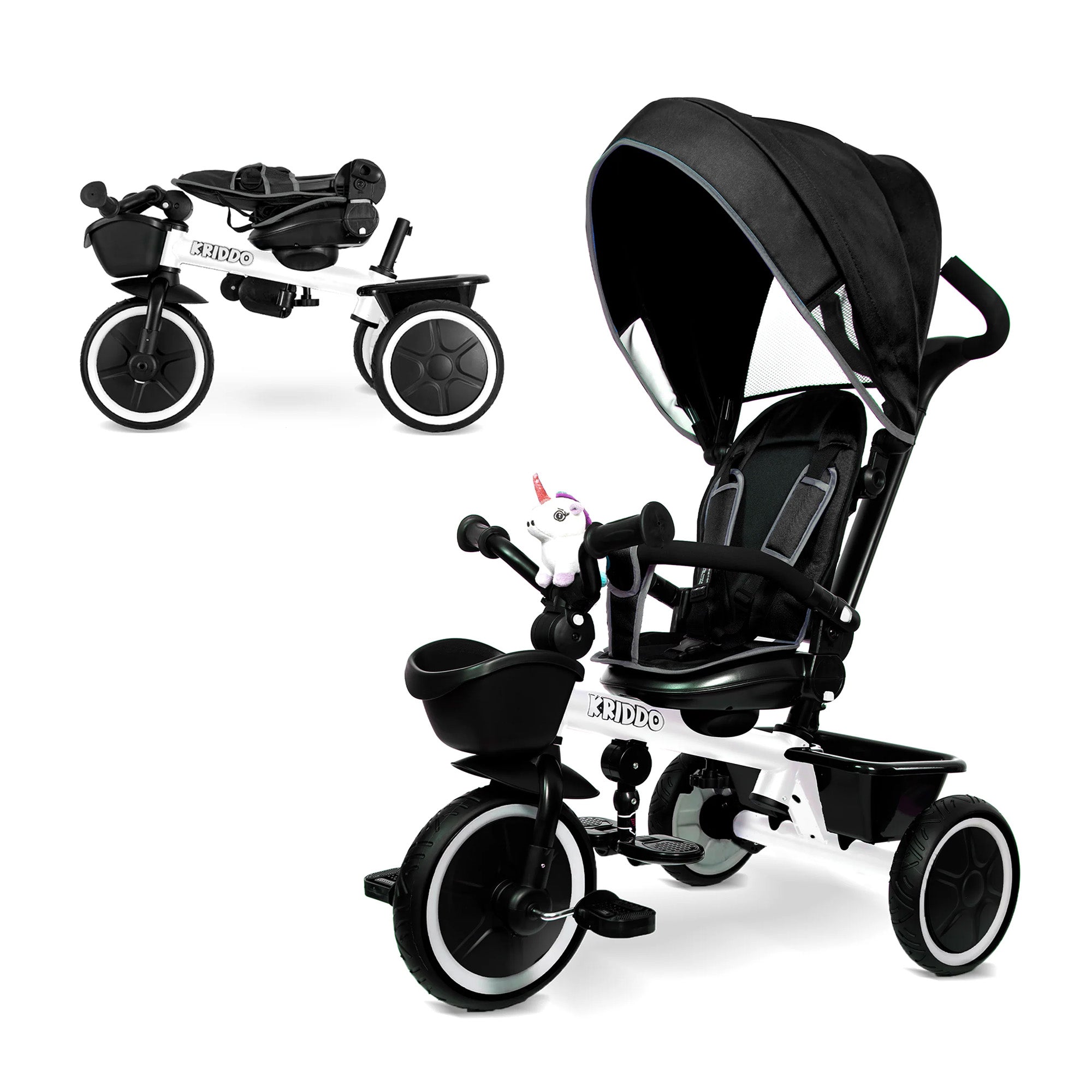
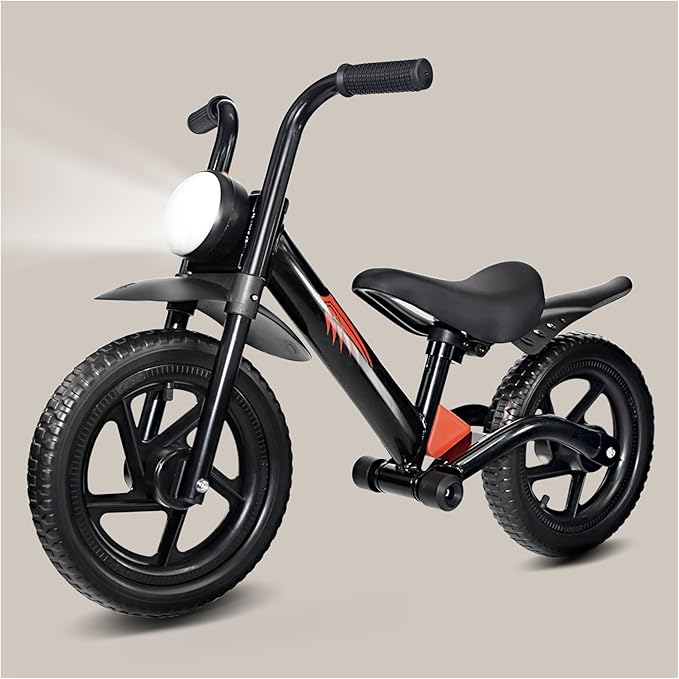
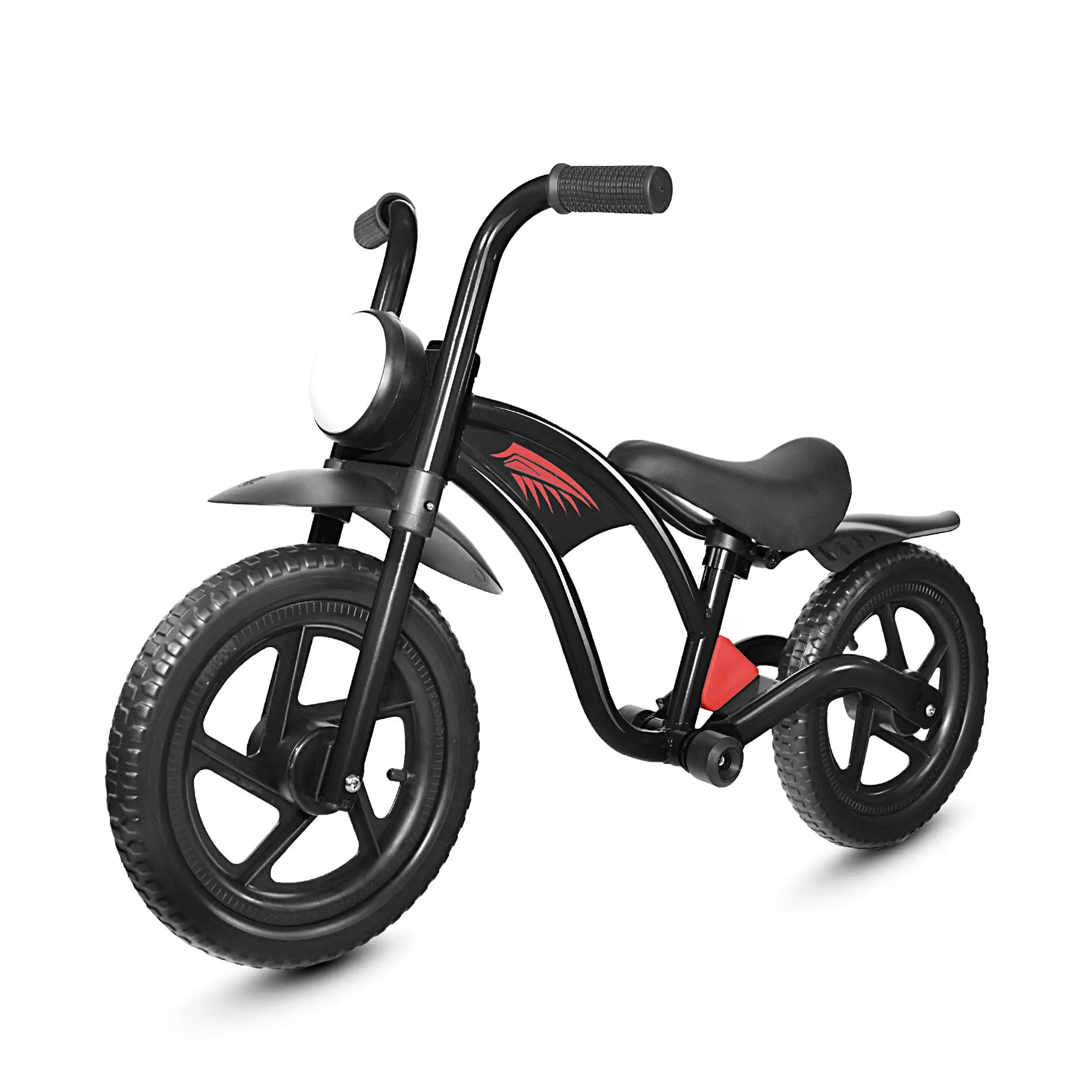
Sometimes movement can sneak into daily life without feeling like “exercise” at all. Maybe your child rides one of their kids bikes to the park instead of sitting in the car. Maybe they race you to the mailbox every evening. Those little moments add up fast.
And you know what? Kids often remember the feeling attached to movement more than the activity itself.
Get Outside—Yes, Even When the Weather Isn’t Perfect

There’s something about being outdoors that changes kids instantly.
A child who complains about indoor activities somehow become wildly energetic the second they step outside. Suddenly they’re collecting sticks, chasing birds, or inventing obstacle courses out of absolutely nothing.
That’s why one of the easiest answers to how to encourage kids to exercise is simply: get outside more often.
It doesn’t have to be complicated.
You can:
- play hide-and-seek
- visit a local park
- walk the dog
- throw a frisbee
- explore a nature trail
Even colder days can work surprisingly well if everyone dresses warmly. Kids usually care less about the weather than adults think they do.
Let Kids See You Enjoy Movement Too
Children notice everything. Especially the things we don’t realize we’re teaching them.
If exercise always sounds like punishment — “I have to work out” or “I need to burn calories” — kids absorb that attitude quickly. But when movement looks enjoyable, social, or relaxing, they begin seeing it differently.
Not every child enjoys competitive sports, and that’s completely okay. Some kids love swimming. Others prefer biking, skating, hiking, or dancing in the kitchen while pancakes cook.
The important thing is helping them connect movement with positive experiences.
I didn’t expect this at first, but many kids become more active simply by watching their parents be active consistently. Family walks. Weekend bike rides. Stretching in the living room. It all counts.
Make a “Let’s Move” List (And Let Kids Choose)

A lot of parents assume exercise requires expensive programs or gym memberships. Usually, it doesn’t.
Sometimes kids just need options.
One surprisingly effective strategy for how to encourage kids to exercise is creating a “movement menu” together. Let them pick activities that sound fun instead of assigning workouts.
Your list could include:
- Let’s go for a walk around the neighborhood
- Time to take the bikes out for a ride
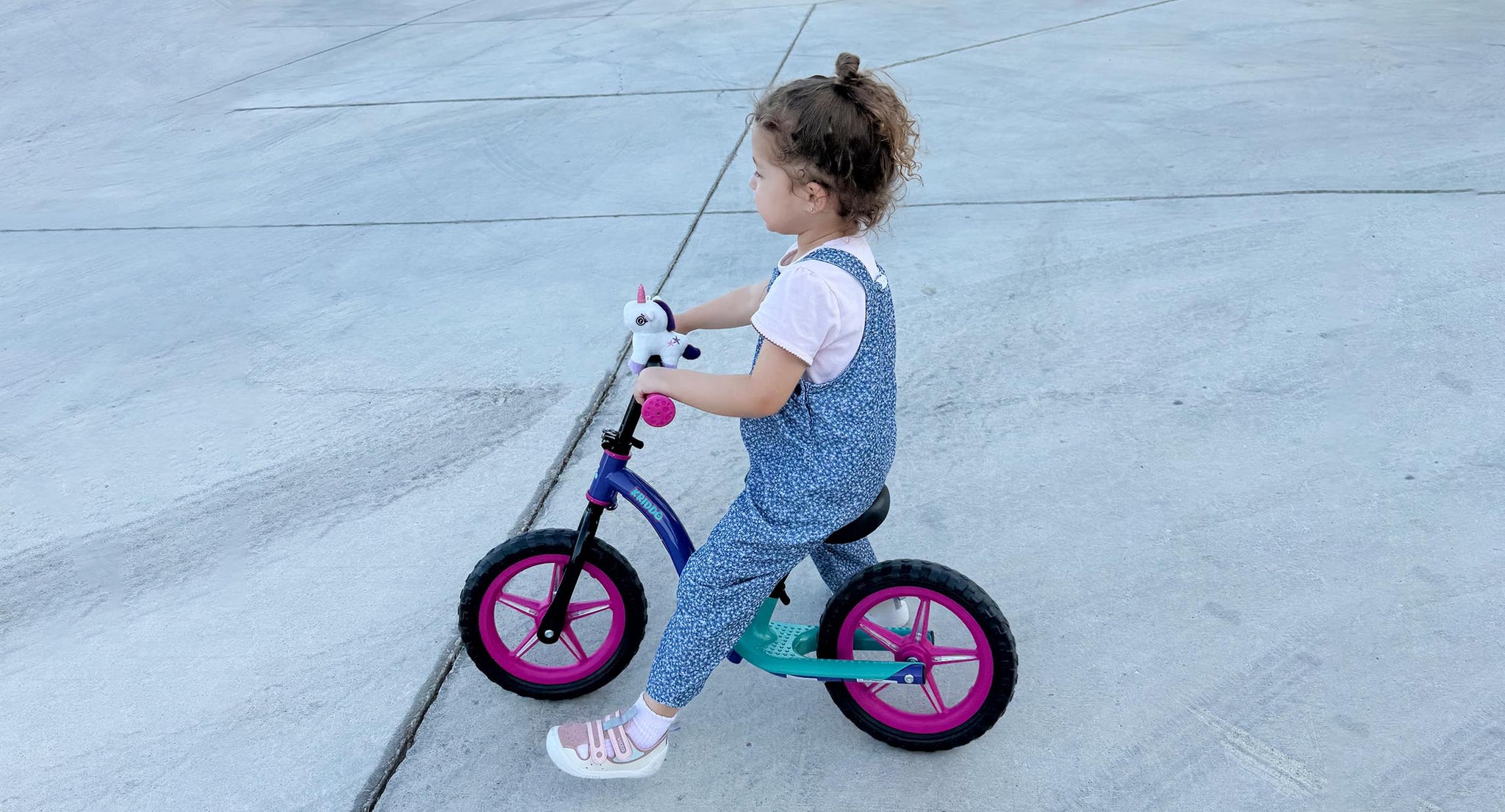
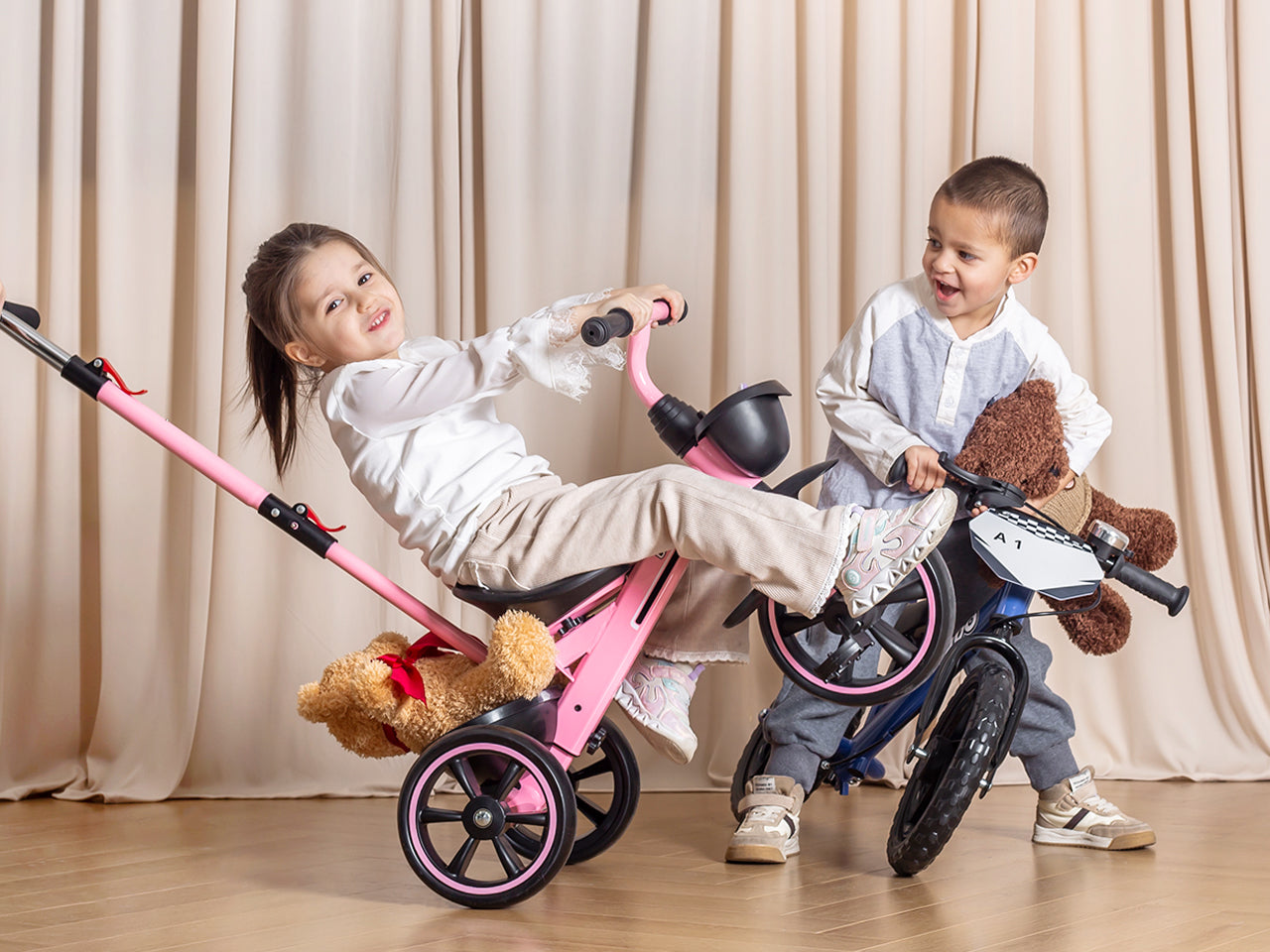
- It’s “wheels day”—let’s find an open parking lot where we can safely ride some ride ons like scooters, balance bikes, or bicycles
- A quick soccer game at the local park
- Free kids’ fitness videos on YouTube
- Making up a game with playing cards or dice (for example, a Jack of Hearts equals 10 jumping jacks)
And honestly, the best sport for kids is usually the one they actually want to keep doing.
Don’t Be Afraid to Try Unusual Activities
Sometimes the answer to how to encourage kids to exercise is introducing activities they’ve never even considered.
A child who dislikes soccer may absolutely love martial arts. Another kid may light up during indoor rock climbing or swimming lessons.
“Trying” matters more than “committing.”
Some children need time before they discover what feels right for them. And honestly, parents sometimes discover unexpected things too. A shy child might suddenly become confident on a climbing wall. A kid who hates team sports may happily walk dogs every afternoon.
The goal isn’t raising elite athletes. It’s helping children find enjoyable ways to move their bodies regularly.
Track Activity—Without Making It a Competition

Tracking activity can help families stay aware of how much movement is happening during the week — but it shouldn’t feel stressful.
A simple family activity log can work well:
- evening walks
- park visits
- bike rides
- dance parties
- sports practices
This isn’t about creating pressure or comparing siblings.
Instead, it helps parents notice patterns. Maybe screen time slowly replaced outdoor play. Maybe weekends are active but weekdays feel too sedentary.
If you notice your child needs more movement, planning a family bike ride or outdoor game night can gently reset things.
And while building healthy habits matters, safety matters too. Whether kids are riding scooters, biking, or joining sports teams, it’s important to follow basic sports safety tips every parent should know.
Your Habits Shape Theirs
Honestly, this part is hard sometimes.
Kids mirror adult behavior constantly. If parents snack on chips while scrolling phones all evening, children notice. If parents drink water, stay active, and prioritize movement, kids notice that too.
You don’t need to become a marathon runner.
Even small family habits matter:
- keeping fruit available for snacks
- walking after meals
- limiting soda
- spending time outdoors together
When healthy choices become normal household behavior instead of strict rules, kids usually resist less.
And that matters because learning how to encourage kids to exercise is really about building a lifestyle that feels sustainable for the whole family.
Remember That Team Sports Aren’t Everything

Some children simply don’t enjoy organized sports.
That doesn’t mean they’re lazy or unhealthy.
A child can build strength, coordination, confidence, and friendships through many other activities. Hiking, biking, martial arts, dance, swimming, skating, and outdoor play all provide meaningful movement opportunities.
There are also many activities for kids who don’t like sports that still support physical and emotional development in really important ways.
Sometimes kids just need permission to move differently.
Use Gifts and Experiences to Spark Interest
Occasionally, the easiest answer to how to encourage kids to exercise is giving movement a little extra excitement.
A team jersey. Tickets to a live game. A new scooter helmet. A balance bike. Even a backyard soccer goal can suddenly make activity feel special.
You never really know what will click for a child.
One simple gift can unexpectedly open the door to a lifelong hobby or favorite sport. Sometimes that inspiration comes from seeing professional athletes in person. Other times it starts with something much smaller, like one of these sports gifts for active kids that quietly encourages more movement at home.
Final Thoughts
Figuring out how to encourage kids to exercise doesn’t require perfect parenting or strict fitness plans.
Most of the time, it comes down to creating opportunities for movement that feel natural and enjoyable. Short walks. Outdoor play. Riding bikes. Trying new activities. Laughing together.
Kids don’t necessarily need intense training programs. They need chances to move, explore, and feel good in their bodies.
And honestly, when families approach exercise with flexibility and patience, healthy habits usually grow little by little — almost without anyone noticing.