









6 Best Sensory Toys for Toddlers
(That Actually Keep Them Engaged)
Max | 28th, Apr
I still remember one afternoon when my toddler dumped an entire bin of rice onto the floor… and then just sat there, quietly running it through his fingers. No cartoons, no noise—just total focus.
Honestly, I didn’t expect that.
That was the moment I realized something: kids don’t just play—they explore the world through their senses. And the right tools can make that exploration so much richer.
Why sensory toys matter more than we think

When we talk about the best sensory toys for toddlers, we’re not just talking about entertainment. We’re talking about brain development.
Every time your child squeezes, spins, balances, or chews something safely, their brain is building connections. It’s like wiring a house—except the house is their future ability to focus, regulate emotions, and even learn in school.
- Motor skills
- Emotional regulation
- Problem-solving
- Language development
And here’s the thing—this isn’t just for kids with specific developmental needs.
Do all kids benefit from sensory play?
Short answer? Yes.
Some kids are constantly jumping, crashing, spinning—they’re what people call “sensory seekers.” Others cover their ears at loud sounds or avoid messy textures—those are more “sensory sensitive.”
Most kids? They’re somewhere in between.
That’s why having a mix of sensory experiences at home can make such a difference. It helps them find balance—calm when they need it, stimulation when they crave it.
Choosing the best sensory toys for toddlers by age
Before we jump into the list, it helps to think about what your child actually needs right now.
Around 1 year old:
- Large textured balls
- Water play mats
- Soft busy boards
- Language development
Around 2 years old:
- Sorting toys
- Texture discs
- Scooping and pouring activities
- Beginner balance elements (with supervision)
Around 3 years old:
- Balance paths
- Sensory bins
- Fine motor toys
- Simple movement-based play systems
You don’t need everything. Honestly, a few well-chosen items go a long way.
6 Best sensory toys for toddlers (real-life favorites)
1. Ride-on toys (movement + balance + confidence)
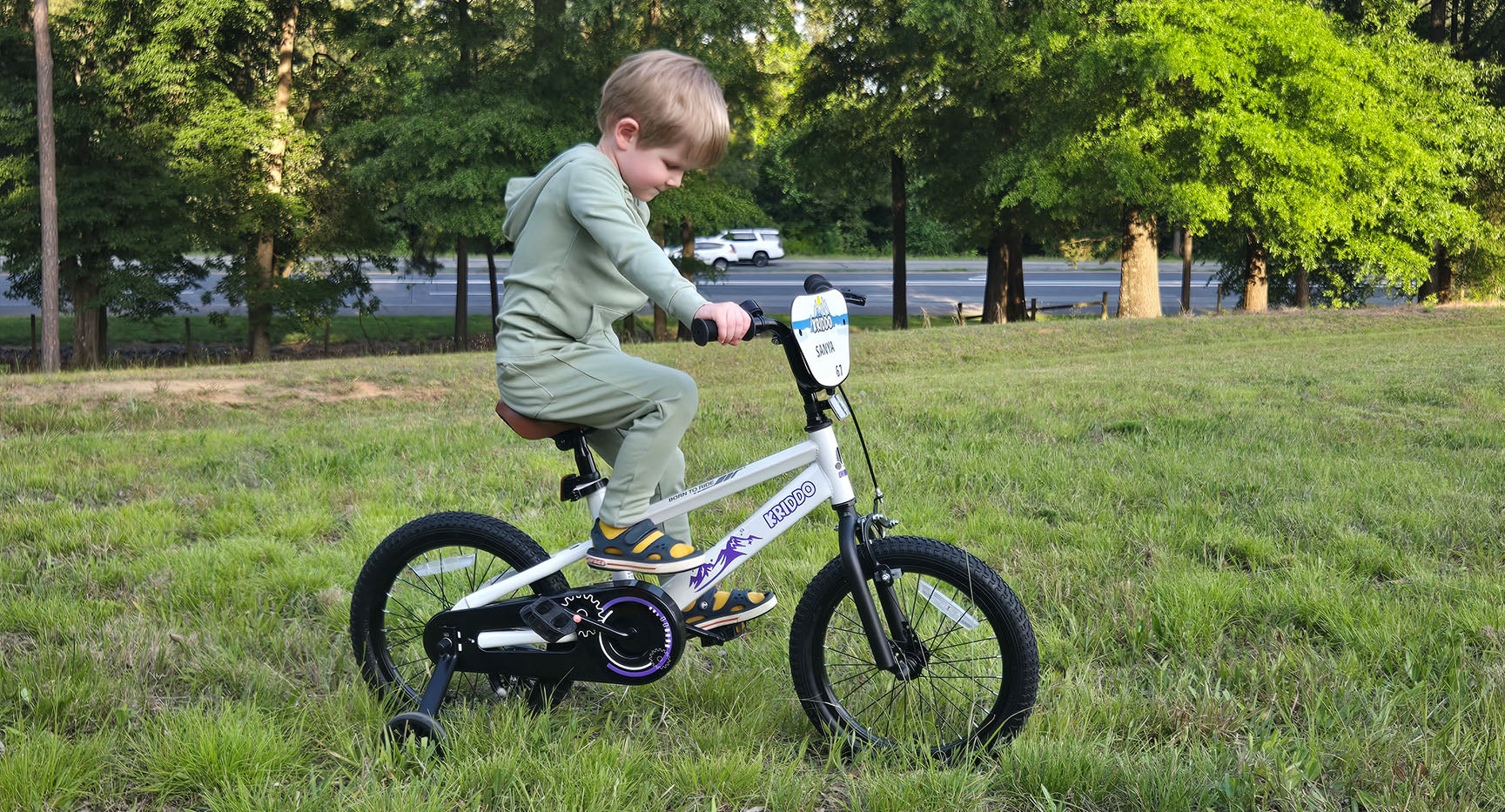
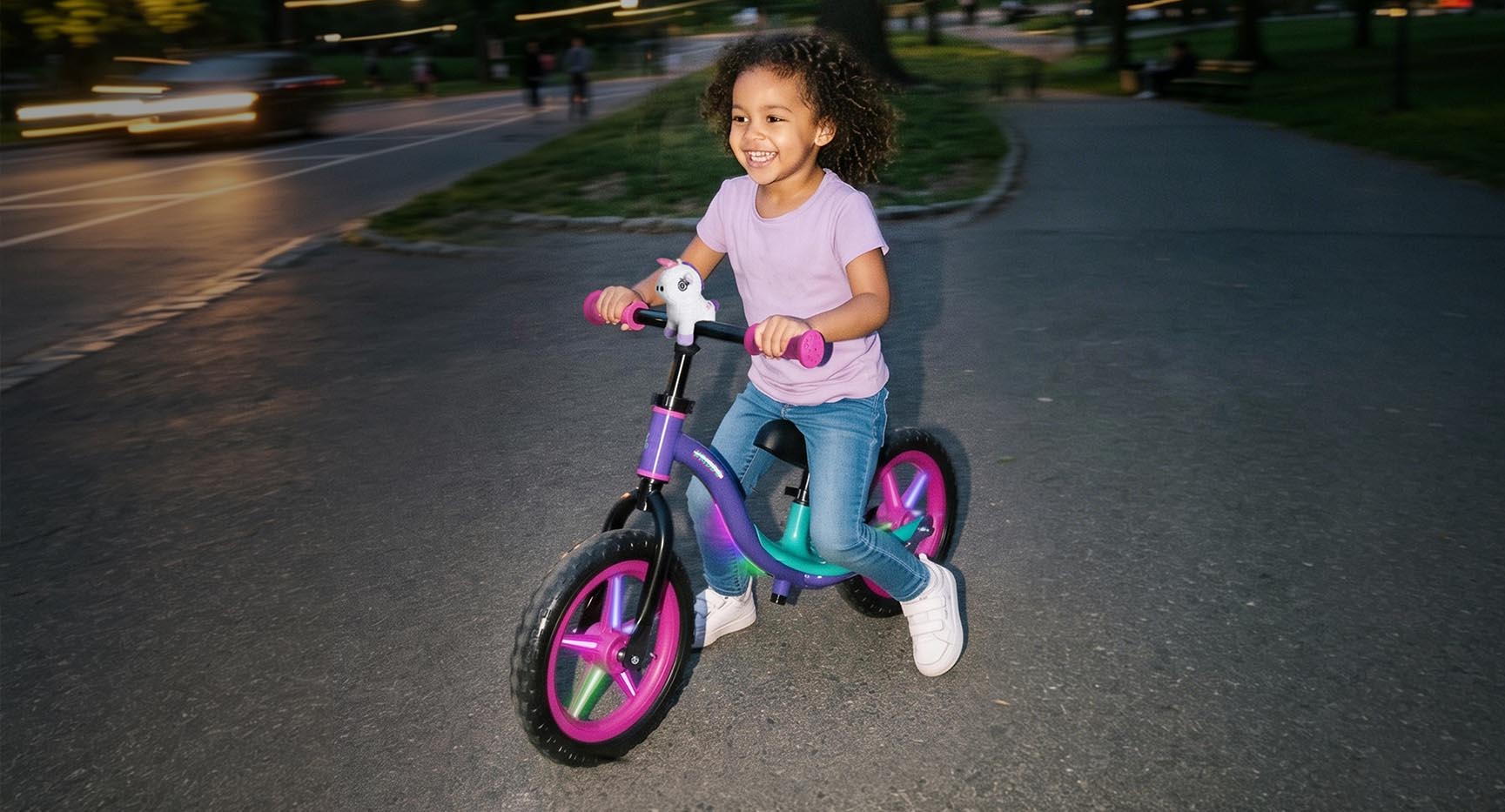
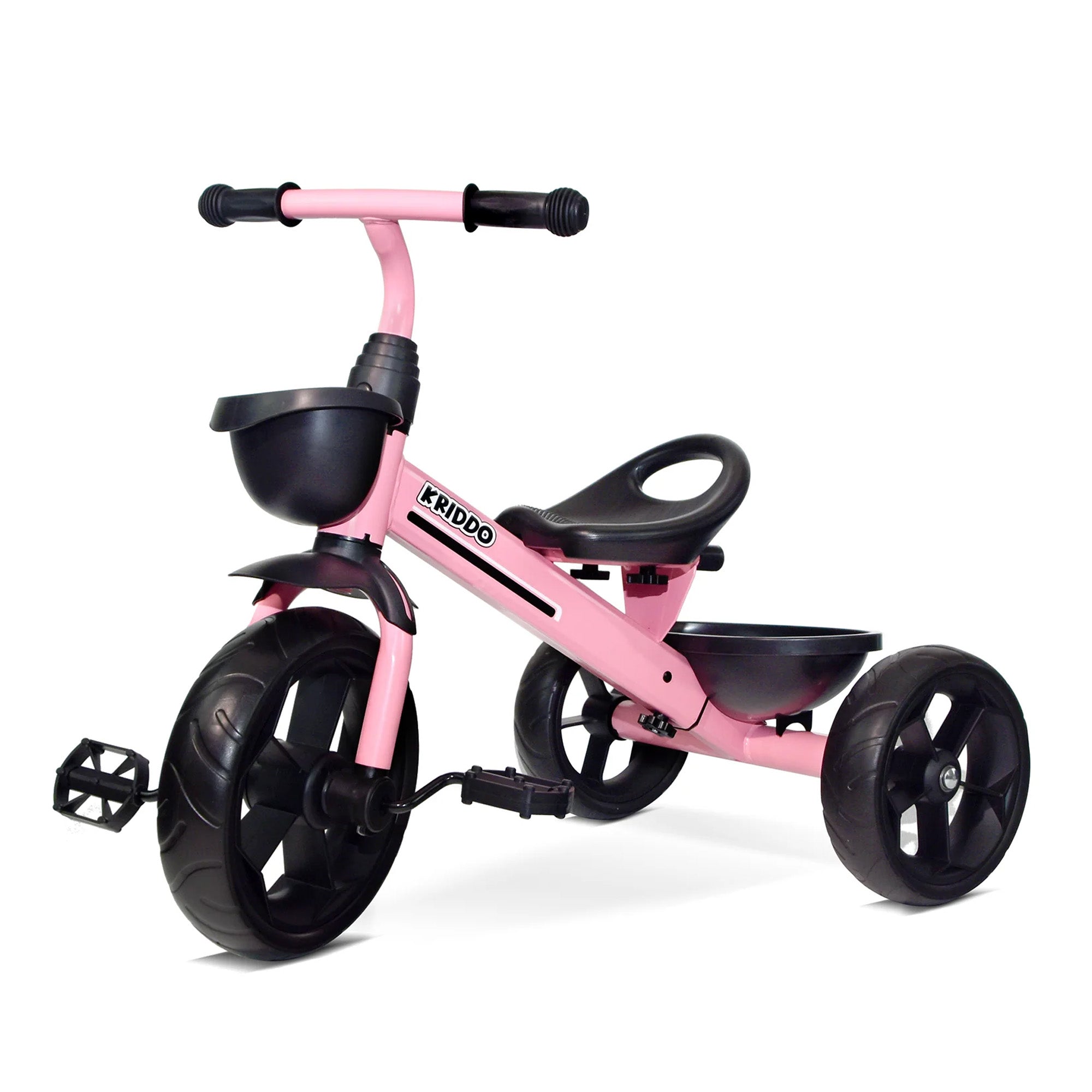
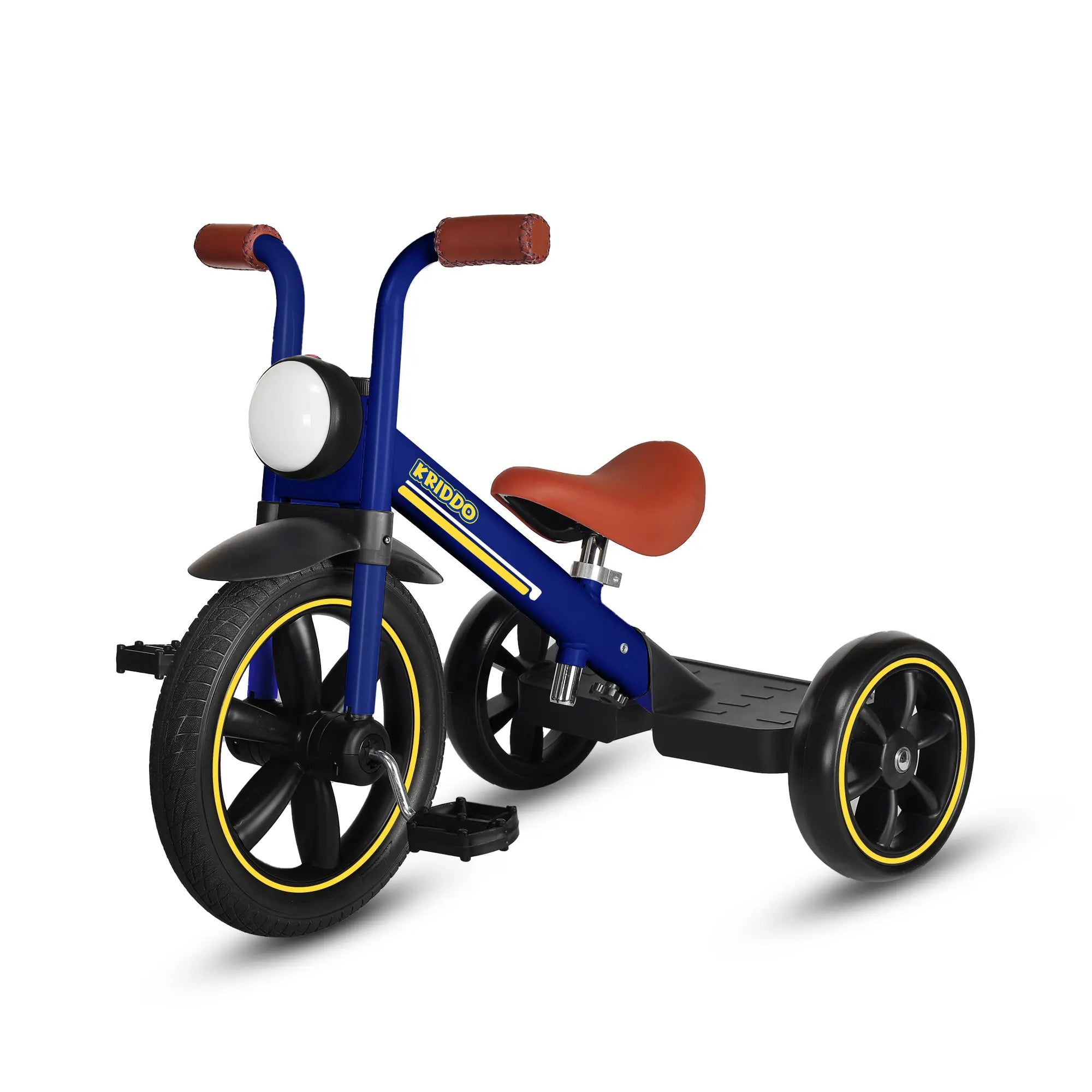
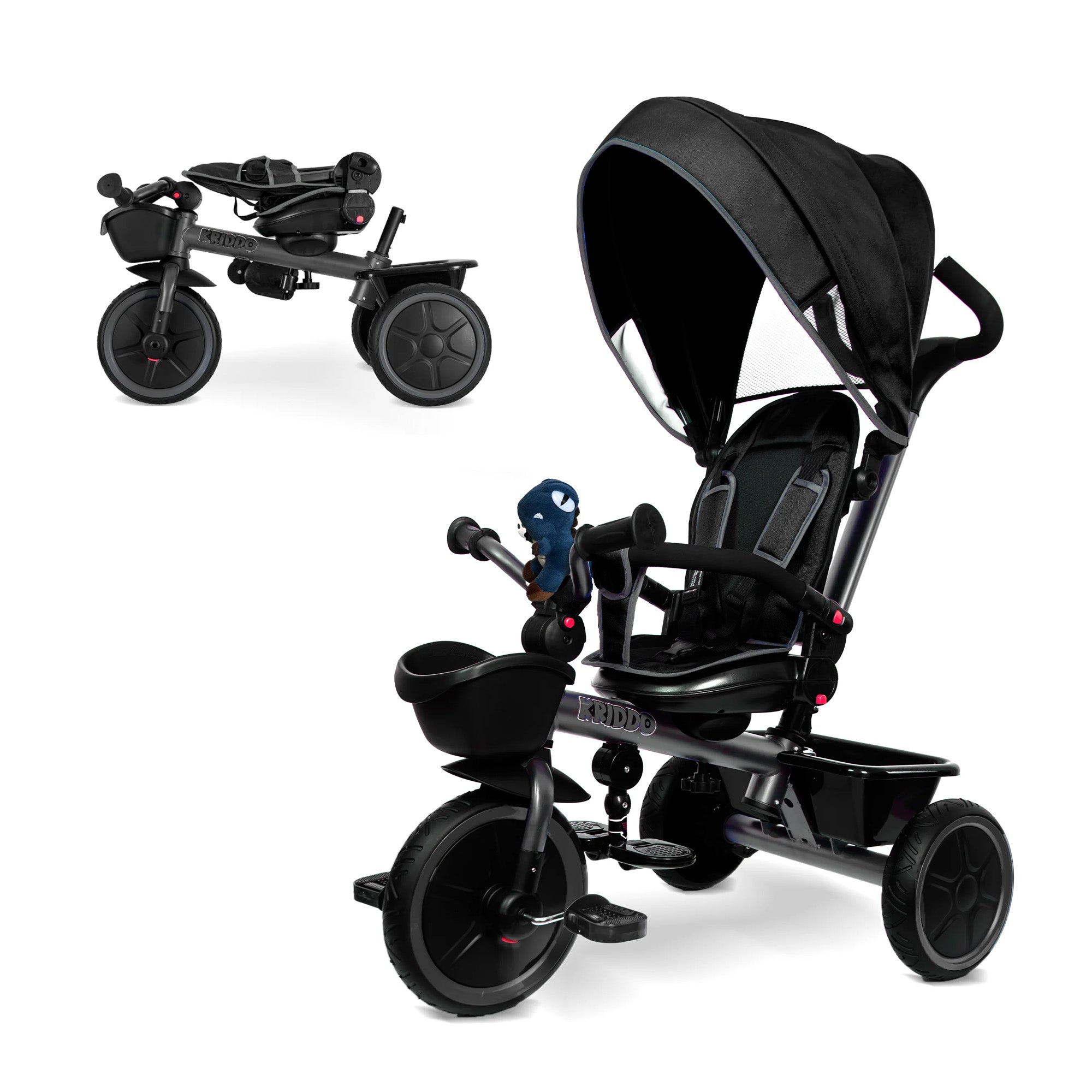
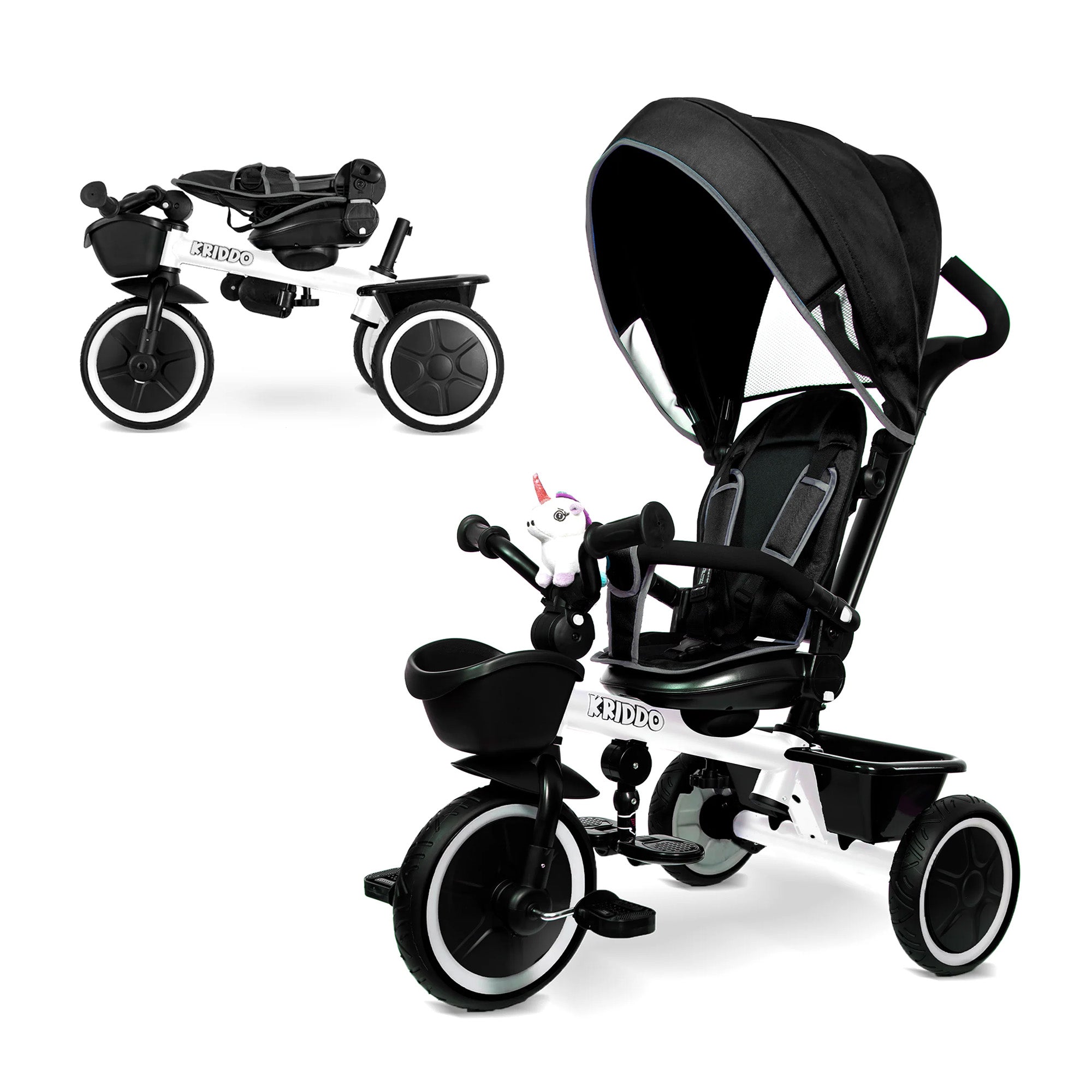
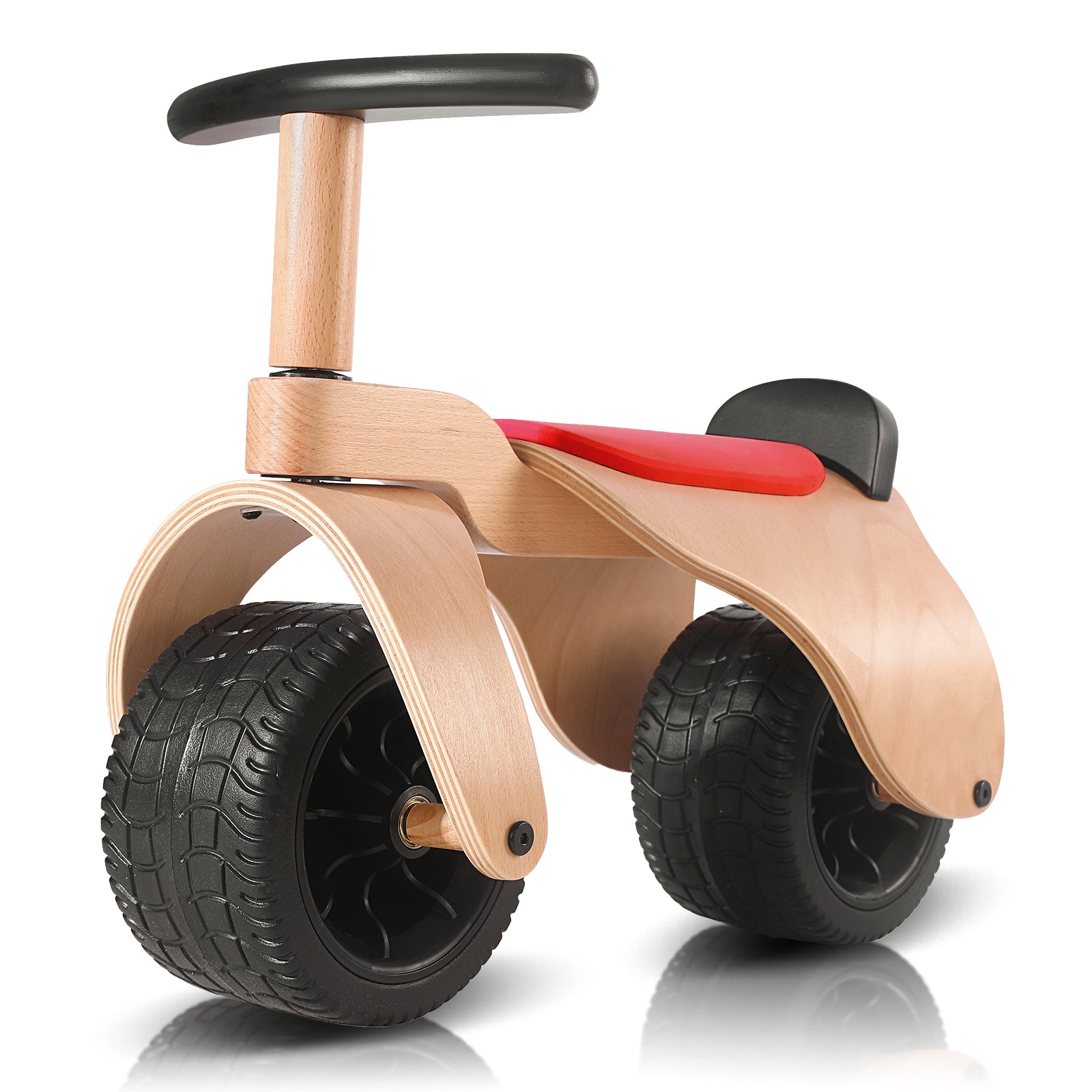
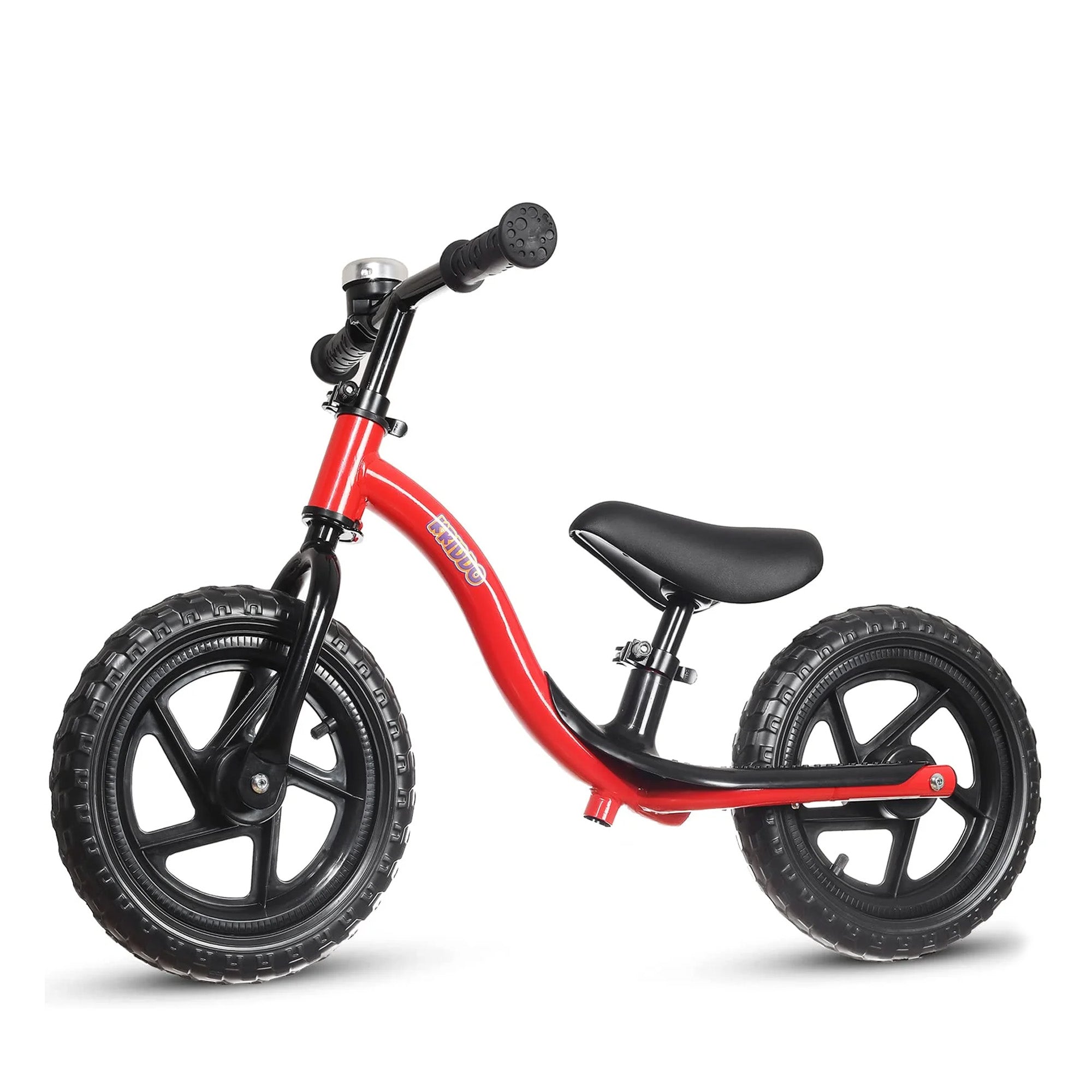
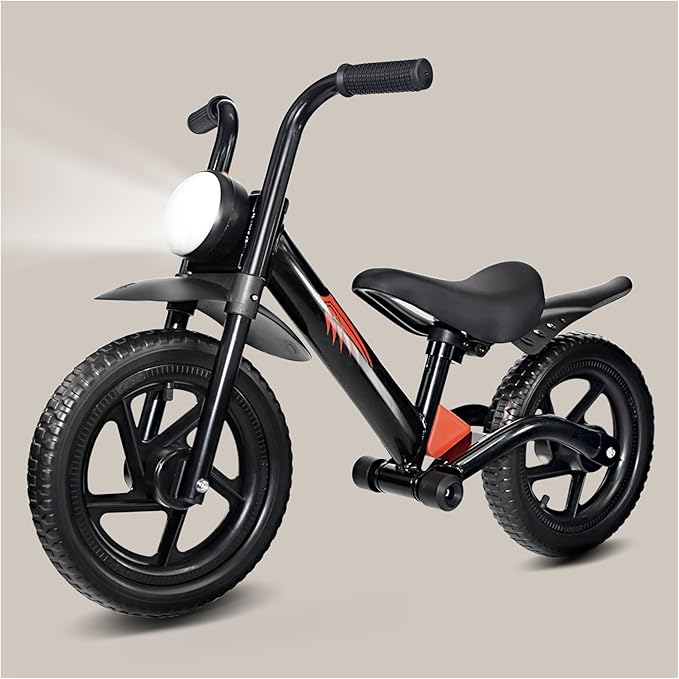
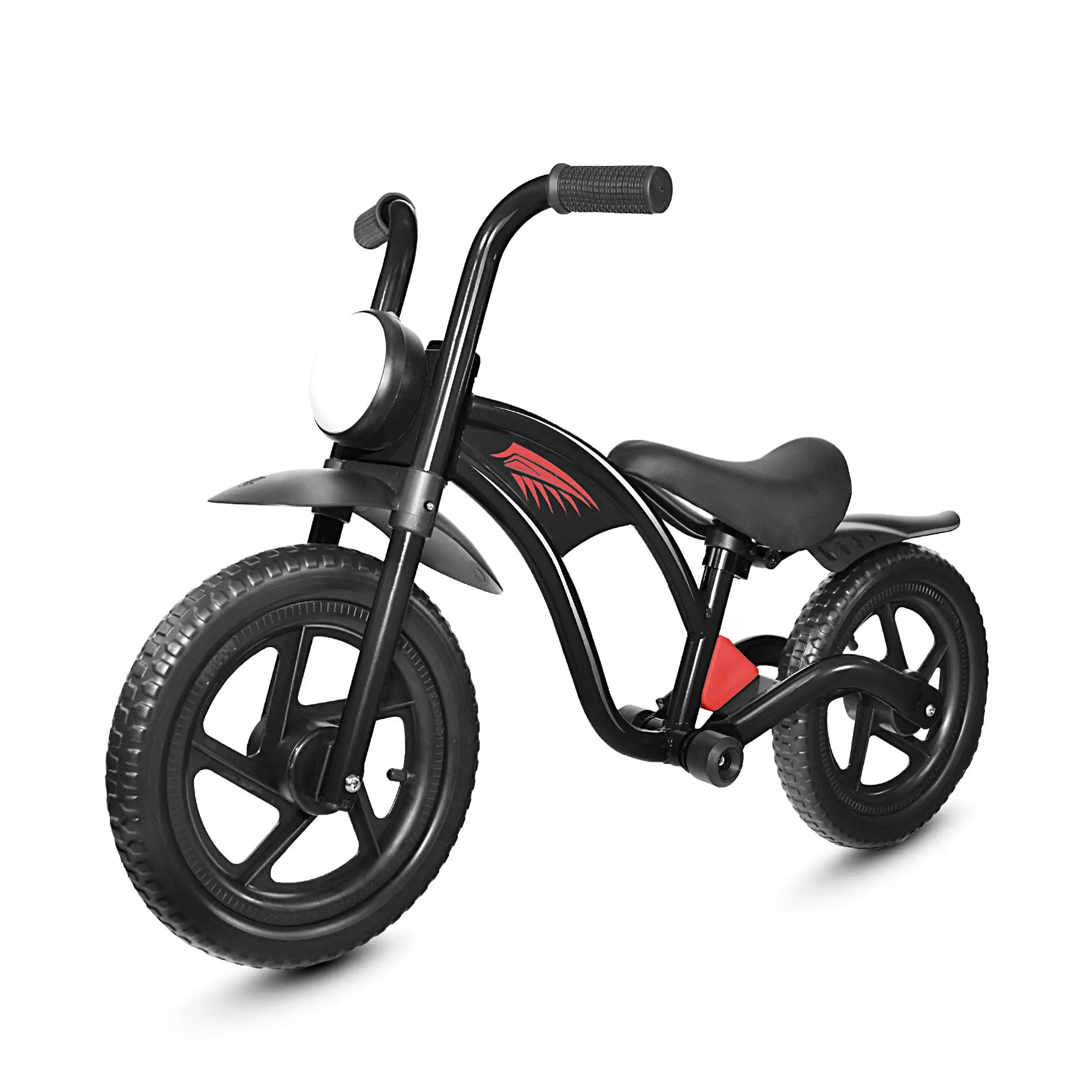
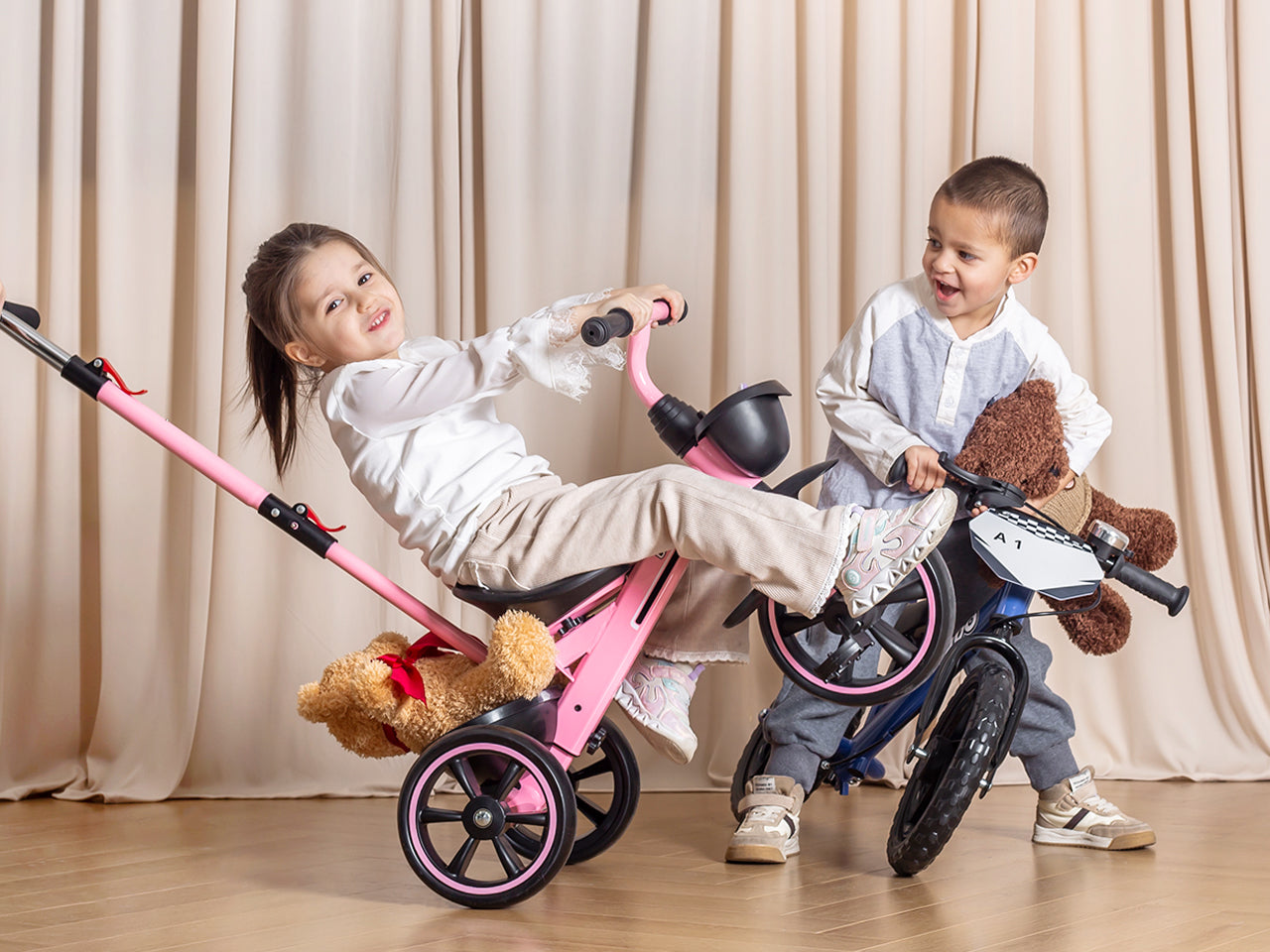
At first, I thought ride-on toys were just about fun. But after watching my child use one daily, I realized they’re one of the best sensory toys for toddlers—especially for movement input.
Balance bikes, tricycles, and scooters all provide:
- Proprioceptive input (muscle and joint awareness)
- Vestibular stimulation (balance and motion)
- Coordination development
What matters most (from a parent perspective):
- Stability and safety design
- Lightweight frame (so toddlers can control it)
- Adjustable sizing for growth
And honestly? There’s something powerful about watching your toddler realize, “I can move myself.”
2. Balance beams (focus + body awareness)
Balance beams might look simple, but they do a lot behind the scenes.
Every step requires your child to:
- Shift weight
- Stabilize their core
- Cross their body’s midline
That last one sounds technical, but it’s actually tied to reading and coordination later on.
And yes, your child will probably fall off at first. Mine did. A lot.
But the determination? That’s part of the magic.
3. Sensory bins (messy, creative, and surprisingly calming)
I’ll be honest—I resisted sensory bins for a while. The mess scared me.
But once we tried it… it became a daily activity.
A simple container filled with:
- Rice
- Beans
- Sand
- Water beads (with supervision)
Add scoops, small toys, or hidden objects, and suddenly you’ve got:
- Tactile exploration
- Problem-solving
- Imaginative play
You can even turn it into a game:
“Can you find the hidden dinosaur with your eyes closed?”
It’s simple, affordable, and incredibly effective.
4. Chew toys (oral sensory support that actually helps)
This one surprised me.
Chew toys—often made from safe silicone—can support:
- Jaw strength
- Tongue coordination
- Self-regulation
Some kids chew on sleeves, pencils, or random objects. Providing a safe alternative can make a big difference.
There are options like:
- Necklace-style chewables
- Pencil toppers
- Textured chew sticks
And for kids who don’t like silicone? Fabric-based options can work too.
5. Sensory rings and fidget toys (small but powerful)
These are easy to underestimate.
Sensory rings—those small spiral or beaded rings—offer:
- Repetitive motion (which is calming)
- Tactile stimulation
- Quiet fidgeting
They’re especially helpful for:
- Car rides
- Waiting rooms
- Quiet play time
Some even make soft clicking sounds, which can be soothing without being disruptive.
6. Water play mats (perfect for early sensory exploration)
For younger toddlers, especially around age one, water mats are a great starting point.
They provide:
- Visual stimulation (floating shapes, movement)
- Gentle tactile feedback
- Safe, contained play
And importantly—no actual mess.
It’s a nice bridge between baby play and more complex toddler sensory activities.
What makes a sensory toy actually “good”?
Not all toys labeled “sensory” are worth your time (or your living room space).
Here’s what I’ve learned to look for:
- Open-ended use (not just one function)
- Durability (toddlers are not gentle)
- Safety certifications
- Engagement over time (not just a one-day novelty)
If a toy grows with your child—even better.
A quick reality check (because parenting isn’t perfect)

You don’t need a Pinterest-perfect sensory setup.
Some days, your toddler will ignore the carefully prepared activity and play with a cardboard box instead. That’s normal.
Other days, they’ll dump everything out and walk away. Also normal.
Sensory play isn’t about perfection—it’s about offering opportunities.
Final thoughts
If you’re searching for the best sensory toys for toddlers, think less about “toys” and more about experiences.
Movement. Texture. Balance. Repetition. Exploration.
That’s what really supports their development.
And honestly? Sometimes the simplest things—like a scoop of rice or a short ride down the sidewalk—end up being the most meaningful.